Staff Report
A significant escalation in regional hostilities has sent shockwaves through global energy markets following a series of coordinated drone strikes targeting the Ras Tanura refinery in Saudi Arabia. This facility, which stands as one of the most critical pieces of petroleum infrastructure in the world, was caught in the crosshairs of a broader offensive that has seen tensions reach a boiling point across the Middle East. The precision of the strikes suggests a sophisticated level of planning and technology that has left defense analysts questioning the current efficacy of regional air defense umbrellas.
Reports from the ground indicate that the Iranian military has simultaneously conducted a series of strikes against various targets throughout the region, marking a bold and dangerous shift in their strategic posture. While the full extent of the damage at Ras Tanura is still being assessed by Saudi authorities and international observers, the psychological impact on the market was immediate. Brent crude prices saw a sharp uptick as traders moved to price in the increased risk of a prolonged supply disruption. The refinery is not just a national asset for the Kingdom but a vital artery for the global economy, processing millions of barrels of oil that fuel industries from East Asia to Western Europe.
Diplomatic channels have been flooded with urgent communications as world leaders scramble to prevent the situation from spiraling into an all-out regional war. The United States and its European allies have issued stern warnings against further provocations, yet the complexity of the proxy networks involved makes a swift de-escalation difficult to achieve. Analysts suggest that the timing of these attacks may be linked to ongoing geopolitical negotiations, with various actors seeking to gain leverage by demonstrating their ability to interrupt the world’s primary energy supply at will.
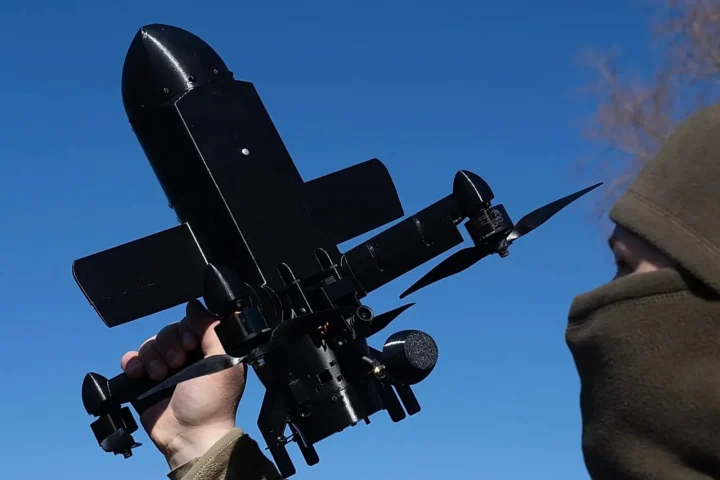
For the Saudi government, the attack on Ras Tanura represents a direct challenge to its domestic security and its role as a stable energy provider. Over the past decade, the Kingdom has invested billions of dollars in advanced missile defense systems, yet the low-altitude, high-precision nature of modern drone warfare presents a unique set of challenges that traditional radar systems often struggle to mitigate. This latest incident will likely accelerate a shift in military spending toward counter-drone technologies and electronic warfare capabilities.
Meanwhile, the broader regional context remains incredibly volatile. The strikes attributed to Iran across various borders indicate a willingness to engage on multiple fronts simultaneously. This multi-theater approach forces regional adversaries to thin their defensive resources and creates a sense of unpredictability that complicates any coordinated response. From the perspective of international commerce, the primary concern remains the safety of the shipping lanes in the Persian Gulf and the integrity of the infrastructure that lines its shores.
As the smoke clears at Ras Tanura, the international community is left to contemplate the long-term implications of this confrontation. If energy infrastructure is no longer considered off-limits in regional disputes, the cost of securing these assets will rise, a burden that will eventually be passed down to consumers globally. The coming days will be crucial as intelligence agencies piece together the exact origin of the drones and the specific intent behind the timing of the barrage. For now, the world watches the Middle East with bated breath, hoping that diplomacy can find a foothold before the cycle of retaliation becomes unbreakable.