Staff Report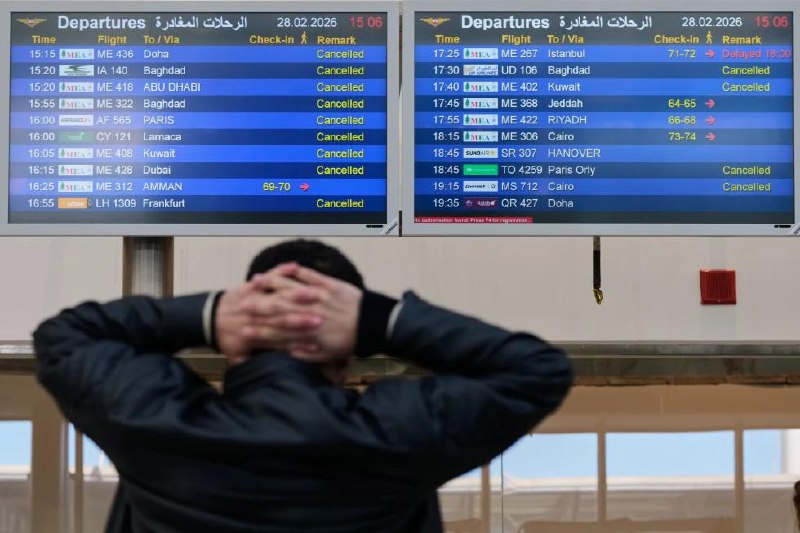
BRUSSELS — A palpable sense of urgency permeated the recent gathering of European Union leaders in Brussels as the continent finds itself increasingly entangled in the escalating US-Israeli conflict with Iran. While meticulously avoiding direct military engagement, European nations are now forced to fortify their regional military installations, orchestrate complex citizen evacuations, and contend with significant economic repercussions. This precarious situation has prompted widespread concern among EU officials, who warn of the potential for broad destabilization across the Middle East.
Josep Borrell, the EU foreign policy chief, articulated the prevailing anxiety, stating, “We are seeing a very dangerous escalation. Europe must do everything it can to prevent a regional conflagration.” This sentiment underscores the delicate balance Europe must maintain: condemning the violence and advocating for de-escalation, while simultaneously safeguarding its interests and citizens from the conflict’s widening ripple effects.
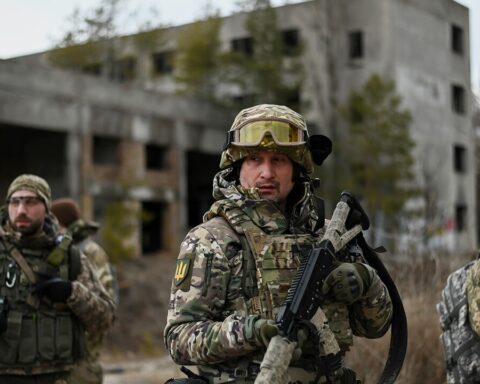
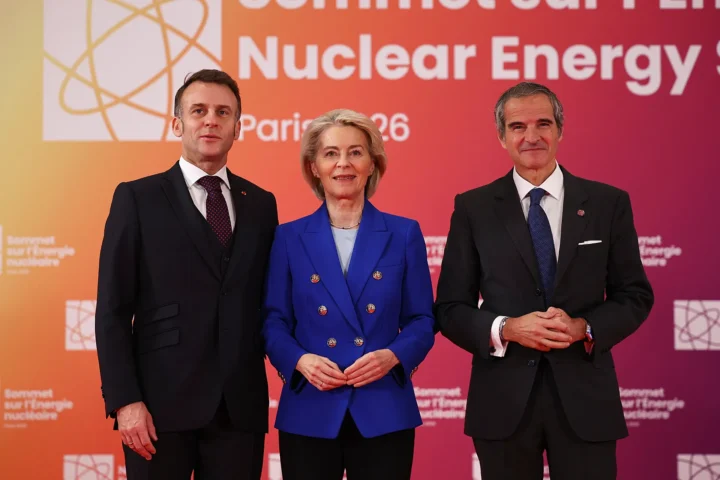
Critical military infrastructure belonging to several European countries in the Middle East, primarily established for counter-terrorism operations and training initiatives, now faces an elevated threat level. France, with a substantial military footprint in the United Arab Emirates and other Gulf nations, has proactively strengthened its air defenses and intensified security protocols at its facilities. Similarly, Germany has enacted measures to bolster the protection of its troops deployed in Jordan and Iraq. French President Emmanuel Macron emphasized the paramount importance of personnel safety, noting, “We are adapting our posture to the evolving threat.” This proactive stance highlights the immediate dangers posed by the regional instability to European military assets and personnel.
The escalating tensions have also triggered a flurry of activity aimed at repatriating European citizens from the affected areas. Disruptions to commercial air travel, with numerous flight cancellations to and from the region, have complicated these efforts. Germany has resorted to chartering flights to bring its nationals home from Lebanon and Iraq. The Netherlands has gone a step further, advising its citizens to depart Iran and deploying dedicated consular teams to facilitate these evacuations. Dutch Prime Minister Mark Rutte affirmed the intensive nature of these operations, stating, “We are working around the clock to ensure the safe return of our citizens.”
Beyond immediate security concerns, the conflict is casting a long shadow over the European economy. Global oil prices have witnessed a sharp surge, igniting fears of inflation and jeopardizing energy security across the continent. Furthermore, vital trade routes through the Red Sea have experienced significant disruptions, creating bottlenecks in global supply chains. The European Commission has issued a stark warning, indicating that the conflict could impede economic growth and urging member states to prepare for potential dislocations. Ursula von der Leyen, President of the European Commission, acknowledged the immediate economic impact, stating, “The economic consequences of this conflict are already being felt. We need to be resilient and adapt to these new realities.”
Despite the considerable challenges, European leaders remain steadfast in their commitment to diplomatic resolution. Calls for a ceasefire and a return to negotiations are central to their strategy. Borrell has actively engaged with officials from the United States, Iran, and other regional powers, consistently advocating for restraint and constructive dialogue. However, the path to a swift resolution appears fraught with obstacles. Borrell candidly admitted, “We are in a very difficult situation. But we must not give up on diplomacy.”
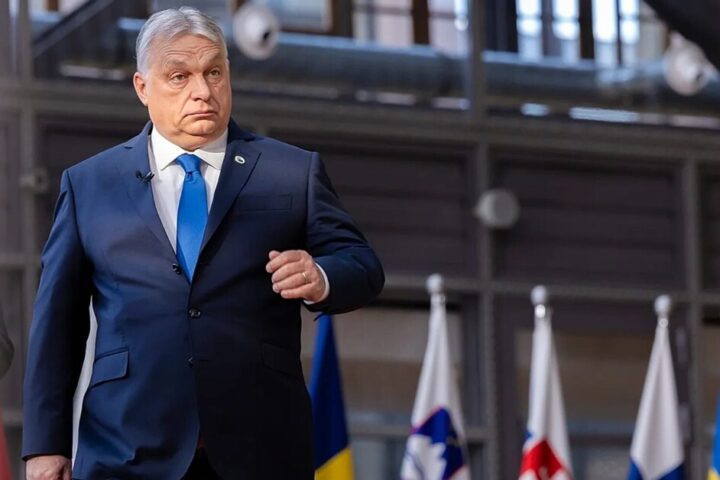
The evolving crisis has also exposed some internal fissures within the EU. While a consensus exists on the necessity of de-escalation, differing national approaches have emerged. Countries like France have adopted a more assertive posture, while others, such as Germany, prioritize caution and diplomatic engagement. These internal differences could hinder the EU’s ability to forge a cohesive and unified response to the crisis. Spanish Prime Minister Pedro Sanchez highlighted this challenge, stating, “Europe needs to speak with one voice. But that is not always easy.” The long-term ramifications of the conflict for Europe are potentially profound, with the capacity to reshape the geopolitical landscape of the Middle East, influence global energy markets, and test the resilience of EU unity. As Estonian Prime Minister Kaja Kallas aptly put it, “This is a defining moment for Europe. We must be prepared for anything.”