Staff Report
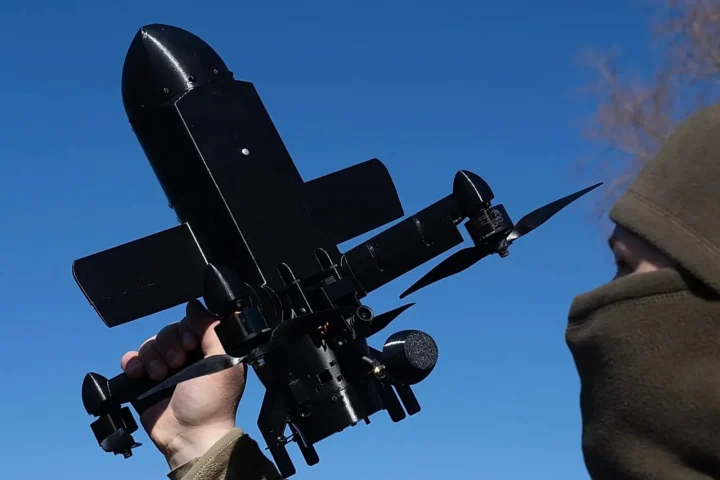
A significant shift in Mediterranean security dynamics occurred this week as Greece, France, and Germany coordinated the deployment of military forces to Cyprus. This strategic movement comes as a direct response to a series of sophisticated drone strikes that have heightened anxieties across the region. The arrival of European personnel and hardware marks a pivotal moment for the island nation, which has long served as a geopolitical crossroads between Europe and the Middle East.
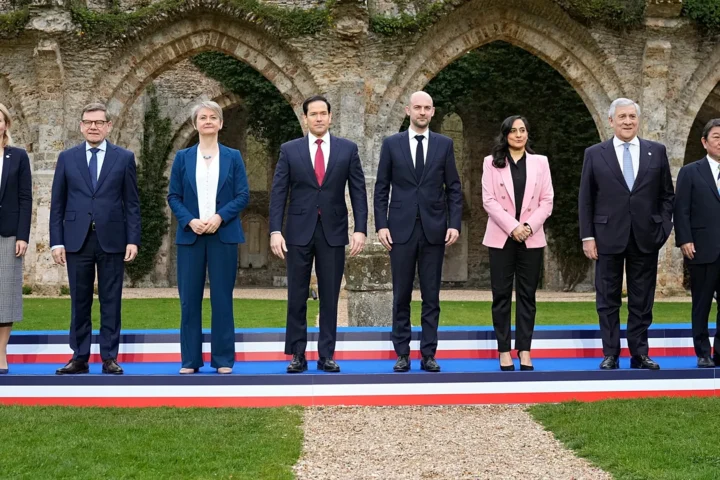
The decision to bolster the Cypriot defense posture was not made in isolation. Following an emergency summit, defense ministers from the three nations emphasized the necessity of protecting sovereign airspace and ensuring the stability of maritime energy corridors. The deployment includes advanced aerial surveillance units, specialized electronic warfare personnel, and naval support aimed at deterring further unmanned aerial vehicle incursions. This collective action signals a unified front among key European Union members who view the security of Cyprus as integral to the broader safety of the continent.
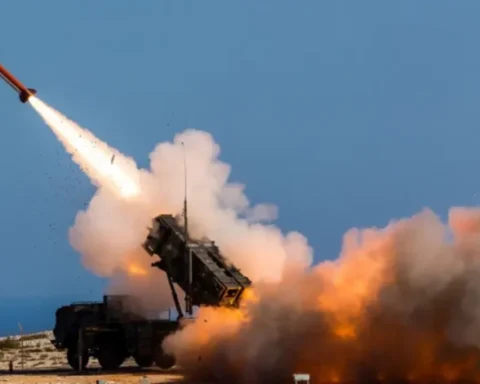
France has committed several naval vessels and air defense systems, while Germany is providing logistical support and reconnaissance capabilities. Greece, maintaining its long-standing security guarantees for the Republic of Cyprus, has increased its fighter jet patrols and ground-based monitoring stations. The integration of these forces is expected to create a sophisticated multilayered defense shield capable of intercepting modern drone threats before they reach critical infrastructure or civilian centers.
Military analysts suggest that the recent drone incidents represent a new era of asymmetric warfare that traditional defense mechanisms are often ill-equipped to handle. By consolidating resources, these European powers are not only defending a fellow member state but are also testing new interoperability protocols for rapid crisis response. This deployment serves as a clear message to regional actors that any attempt to destabilize the Mediterranean will be met with a coordinated and firm military presence.
While the primary focus remains on immediate defense, there are significant diplomatic implications to this move. The presence of French and German troops alongside Greek forces reinforces the concept of European strategic autonomy. It demonstrates that the European Union is increasingly willing to project hard power to protect its interests independently of traditional broader alliances. For Cyprus, the increased military presence provides a much-needed sense of security during a period of intense regional volatility.
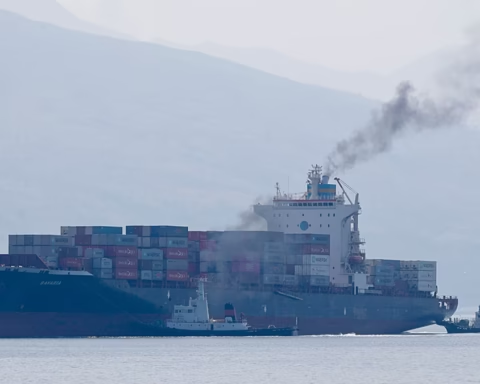
Local authorities in Nicosia have welcomed the support, stating that the international cooperation is essential for maintaining peace. The drone strikes, though causing limited physical damage, had threatened to disrupt vital shipping lanes and energy exploration projects that are crucial for the European economy. With the new defense measures in place, officials hope to restore confidence in the safety of these operations. The situation remains fluid as military commanders monitor the horizon for any signs of further escalation, but for now, the message of European solidarity remains the dominant narrative in Mediterranean halls of power.