Staff Report
The European defense landscape is currently at a critical junction as high-level negotiations in Brussels reveal both significant progress and mounting diplomatic friction. Sources close to the discussions indicate that ambitious plans for defensive loans involving France and the Czech Republic have cleared initial regulatory hurdles. However, these advancements are now being overshadowed by an escalating dispute involving Hungary that threatens to stall broader regional security initiatives.
The proposed financial framework aims to streamline military procurement and enhance the collective defense capabilities of member states. Under the current arrangements, France and the Czech Republic have spearheaded a strategy to secure large-scale funding for strategic equipment and technological development. This move is seen as a direct response to the shifting security environment in Eastern Europe and a necessary step toward achieving greater strategic autonomy for the continent. The technical clearance of these plans marks a victory for proponents of a more integrated European military industrial complex.
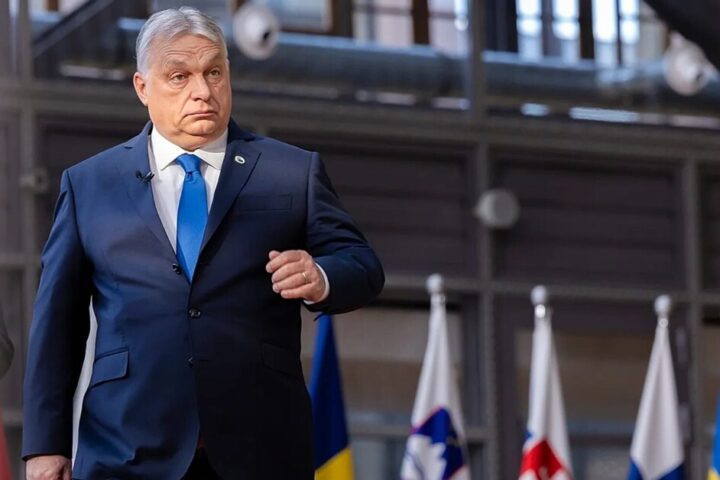
Despite the technical green light, the political atmosphere remains tense. Viktor Orban’s government in Hungary has repeatedly signaled its willingness to utilize its veto power to block collective funding mechanisms. Budapest has raised concerns over the centralized nature of the defense loans, arguing that such measures could infringe upon national sovereignty. While French and Czech officials remain optimistic that a compromise can be reached, the looming row with Hungary highlights the deep-seated divisions that continue to plague European decision-making processes on sensitive security matters.
Diplomatic sources suggest that the friction is not merely about the financial specifics of the defense loans but part of a larger geopolitical tug-of-war. Hungary has often stood as an outlier in European security discussions, frequently maintaining closer ties with Moscow than its neighbors and questioning the long-term utility of coordinated military aid. This ideological split has made the passage of any unified defense policy a grueling task for the European Commission, which must find a way to satisfy both the ambitious goals of Paris and the cautious skepticism of Budapest.
The Czech Republic has been particularly active in this space, recently leading a global initiative to source ammunition for defense purposes. By pairing with France, a major military power with a robust defense industry, Prague seeks to solidify a new axis of cooperation that bridges the gap between Western and Central European security interests. The success of their joint loan proposal is considered a litmus test for whether the European Union can effectively mobilize its financial weight to support its geopolitical ambitions.
Observers note that the timing of this dispute is particularly sensitive. With global supply chains under pressure and the demand for advanced military hardware at an all-time high, any delay in funding could have tangible consequences for domestic defense industries. French aerospace and defense firms, along with Czech manufacturing hubs, are looking for certainty to begin long-term production cycles. The political gridlock created by the Hungarian opposition risks creating a vacuum that could be filled by non-European suppliers, undermining the very goal of regional self-reliance.
As the next round of ministerial meetings approaches, negotiators are working behind the scenes to draft side-agreements that might appease Hungary without diluting the effectiveness of the defense loans. Possible concessions could include greater transparency in how funds are allocated or specific guarantees regarding the types of equipment purchased. However, if a resolution is not found soon, France and the Czech Republic may be forced to pursue bilateral arrangements outside of the traditional European framework, a move that would further fragment the unity of the bloc.
Ultimately, the situation underscores the difficulty of forging a common defense identity in a union of twenty-seven sovereign states with diverse historical perspectives. While the technical clearance of the French and Czech plans is a significant milestone, the real battle remains in the political arena. The coming weeks will determine whether the European Union can move past internal rows to secure its borders and its future.