Staff Report
The architecture of modern governance is frequently tested by the unpredictable nature of global events. From the sudden onset of health emergencies to the volatility of energy markets, the European Union has spent the last decade refining a sophisticated toolkit designed to insulate its citizens and member states from the harshest impacts of international instability. This protective framework is not merely a collection of reactive measures but a deliberate strategy involving deep fiscal integration and social safety nets that prioritize long-term resilience.
At the heart of this defensive posture is the concept of strategic autonomy. European leaders have recognized that reliance on external supply chains for critical goods like medicines and semiconductors creates a fundamental vulnerability. By investing heavily in domestic production and diversifying trade partners, the EU is building a buffer that prevents geopolitical tensions from translating into immediate hardships for consumers. This transition toward self-reliance ensures that even when global trade routes are disrupted, the essential needs of the population remain met through internal cooperation.
Economic stability is further reinforced by the innovative use of joint debt instruments and recovery funds. During periods of contraction, the EU has demonstrated a willingness to break from traditional austerity measures in favor of massive investment programs. These initiatives do not simply provide a temporary lifeline; they are specifically targeted at digital and green transitions. By tying crisis relief to structural modernization, the Union ensures that every euro spent during a downturn serves to strengthen the competitive position of the European economy for the decades ahead. This dual approach helps maintain employment levels while preventing the stagnation that often follows financial shocks.
Social protection remains the most visible aspect of the European shield. Through mechanisms like the SURE program, which helped maintain jobs during the pandemic, the EU has established a precedent for cross-border solidarity in labor markets. These policies prevent the temporary loss of demand from turning into permanent unemployment. By supporting national social security systems with broader European resources, the Union provides a level of security that individual states might struggle to maintain alone. This collective approach reduces the risk of poverty and social exclusion, which are often the most damaging long-term consequences of a crisis.
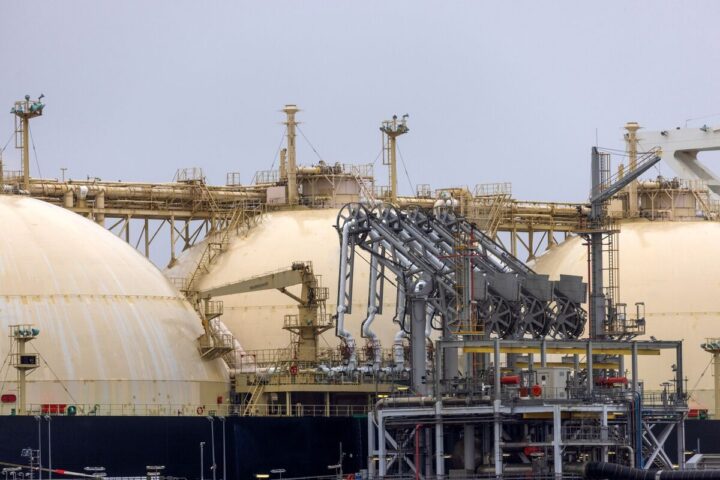
Furthermore, the regulation of vital markets plays a crucial role in citizen protection. The EU has increasingly used its regulatory power to curb price gouging and ensure the fair distribution of resources. In the energy sector, for instance, joint purchasing agreements and mandatory storage targets have been implemented to prevent seasonal spikes from devastating household budgets. By acting as a single, massive market entity, the EU can negotiate from a position of strength, securing better terms for its inhabitants than any single nation could achieve independently.
As the world enters a period of heightened uncertainty, the role of these protective mechanisms will only grow in importance. The ability to coordinate a response across twenty-seven nations allows for a scale of action that is uniquely suited to the challenges of the twenty-first century. While no system can entirely eliminate the impact of a global crisis, the European Union has created a sophisticated model of resilience that balances market freedom with a rigorous commitment to social and economic stability. This ongoing evolution of the European project continues to prove that unity remains the most effective defense against the winds of global change.