Staff Report
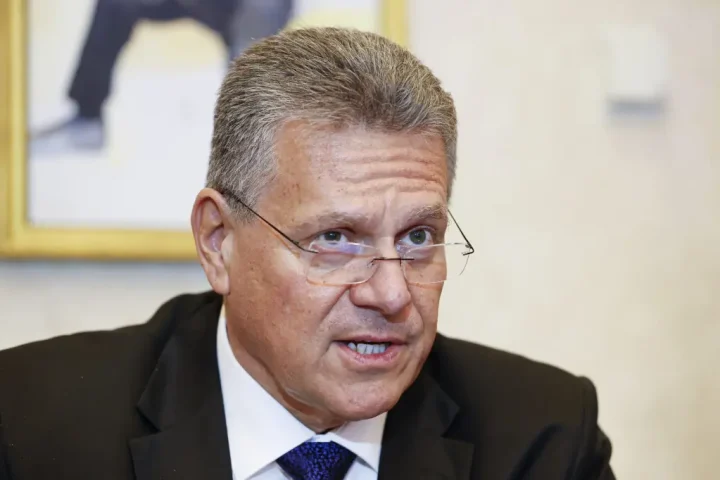
István Tarlós, the former mayor of Budapest, recently indicated his readiness to engage “everything” within his power to facilitate the unfreezing of European Union funds currently withheld from Hungary. His comments emerge amidst ongoing negotiations between Brussels and Budapest over concerns regarding rule of law and anti-corruption measures, which have led to billions of euros in cohesion and recovery funds being blocked. The Hungarian government has consistently maintained that it is working diligently to address the EU’s concerns, undertaking legislative reforms and establishing new oversight bodies.
The protracted dispute has placed significant financial strain on Hungary, with various sectors feeling the pinch of delayed investments. These funds are crucial for infrastructure projects, economic development, and social programs across the country. Tarlós, a prominent figure in Hungarian politics and a former Fidesz party mayor, suggested that a concerted effort from all political actors, regardless of their current post, could be beneficial in navigating the complex bureaucratic and political landscape of the EU. His statement, made in a recent interview, underscores the growing pressure within Hungary to resolve the standoff.
Brussels has outlined a series of benchmarks that Hungary must meet before the funds can be disbursed. These often involve strengthening judicial independence, enhancing public procurement transparency, and improving the effectiveness of anti-corruption frameworks. While some progress has been acknowledged by the European Commission, a complete resolution remains elusive. The Hungarian government has repeatedly emphasized its commitment to dialogue and finding common ground, but the nuanced nature of the disagreements means that a swift conclusion is unlikely without sustained effort from both sides.
The involvement of figures like Tarlós, even from outside active government roles, highlights the multifaceted approach Hungary appears to be taking. His experience at the municipal level, dealing directly with the practical implications of EU funding, could offer a different perspective in discussions. The sentiment within Hungary is increasingly one of urgency, as the economic benefits tied to these funds are substantial. The country’s economic growth targets and its ability to weather current global financial uncertainties are, in part, linked to the eventual release of these resources.
Ultimately, the path to unfreezing the funds will require not just political maneuvering but also demonstrable and sustainable reforms that satisfy the European Commission’s rigorous requirements. The implications extend beyond mere financial considerations, touching upon the fundamental principles of the European Union and the relationship between member states and the central bloc. Tarlós’s willingness to contribute, even from a less formal position, signals a broader recognition within Hungary of the critical importance of these ongoing negotiations.