Staff Report
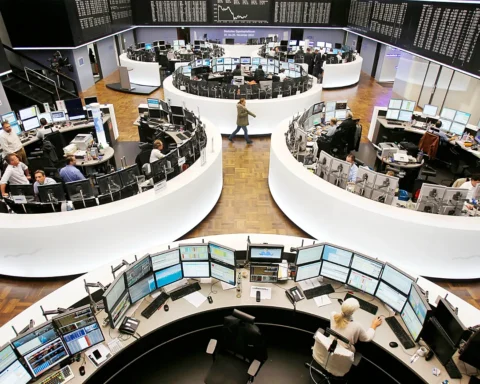
The cost of living in Germany has climbed to its highest point in more than a year, a development economists are largely attributing to the escalating conflict involving Iran. Recent data released by the Federal Statistical Office indicates that consumer prices saw a significant jump in the past month, pushing the annual inflation rate to levels not observed since late 2022. This upward trend is primarily driven by volatile energy prices and disruptions in global supply chains, both of which have been exacerbated by geopolitical tensions in the Middle East.
Analysts at Deutsche Bank and Commerzbank have pointed to the ripple effects of the ongoing situation in the Persian Gulf, particularly its impact on oil and gas markets. Shipping routes through vital chokepoints, such as the Strait of Hormuz, have faced increased scrutiny and, in some instances, disruptions, leading to higher insurance premiums and longer transit times for goods. These additional costs are inevitably passed down to consumers, contributing to the broader inflationary pressures now evident across the German economy. The German government, through its finance ministry, acknowledged these external factors, noting that while domestic demand remains robust, imported inflation poses a considerable challenge to price stability.
Beyond energy, the prices of imported raw materials and certain agricultural products have also seen notable increases. Germany, as a major manufacturing and export-oriented nation, is particularly susceptible to fluctuations in global commodity markets. Factories are reporting higher input costs for everything from metals to plastics, and these increases are slowly but surely making their way into the final prices of goods on store shelves. The Bundesbank, Germany’s central bank, has previously highlighted the persistent nature of these supply-side shocks, indicating that they are not merely transient phenomena but rather structural shifts influenced by evolving global dynamics.
Households are beginning to feel the squeeze, with everyday essentials like food and heating becoming noticeably more expensive. While wage growth has provided some buffer, the pace of inflation is outpacing salary increases for many, leading to a reduction in real purchasing power. Consumer confidence surveys have shown a slight dip in recent weeks, reflecting growing concerns among the populace about their economic outlook. Retail trade associations are closely monitoring spending patterns, anticipating a potential shift in consumer behavior towards more essential purchases and away from discretionary spending if the current inflationary trend continues unabated.
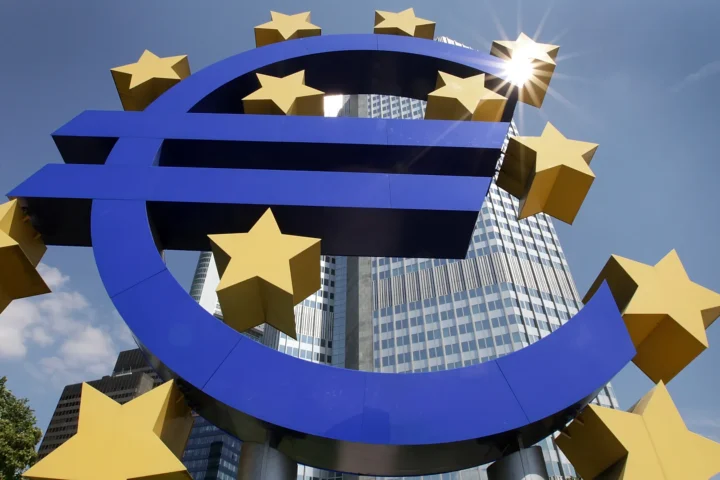
The European Central Bank (ECB) is also under increased pressure to address these inflationary impulses, particularly as Germany represents the eurozone’s largest economy. While the ECB’s mandate is price stability across the entire bloc, the significant rise in German inflation will undoubtedly weigh heavily on its upcoming policy decisions. Any further escalation in the Iran conflict could further complicate the ECB’s efforts to navigate between taming inflation and supporting economic growth, potentially leading to more hawkish stances on interest rates than previously anticipated. The interplay between geopolitical events and domestic economic stability remains a delicate balancing act for policymakers in Berlin and Frankfurt alike.