Staff Report
The latest ZEW economic sentiment index for Germany, released this week, plunged to a reading of minus 11.4 points, a stark reversal from the previous month’s positive 12.3. This unexpected downturn in investor confidence, defying analyst expectations for a modest improvement, casts a long shadow over the nation’s fragile economic recovery. The substantial drop signals a growing apprehension among financial market experts regarding Germany’s near-term economic trajectory, particularly as the country navigates persistent inflationary pressures and a challenging global trade environment.
This sudden shift in sentiment arrives at a critical juncture for Europe’s largest economy. For months, policymakers and economists have been carefully monitoring indicators for signs of sustained growth following a period of stagnation. The hope was that easing energy prices and resilient domestic demand would provide the necessary impetus. However, the ZEW survey results suggest that these positive factors are now being overshadowed by deepening concerns about the broader economic landscape, including the potential for higher interest rates to dampen investment and consumer spending further.
Digging deeper into the survey’s components reveals a more nuanced picture of investor anxieties. While the assessment of the current economic situation also deteriorated, it was the sharp decline in expectations for the next six months that truly stood out. This forward-looking component, often seen as a reliable barometer of future economic activity, indicates that investors are bracing for a period of subdued growth, if not outright contraction. Factors such as geopolitical uncertainties, particularly the ongoing conflict in Ukraine and its ripple effects on supply chains, continue to weigh heavily on corporate planning and investment decisions.
The manufacturing sector, a traditional powerhouse of the German economy, appears to be particularly vulnerable. Recent industrial production figures have shown mixed signals, with some sectors demonstrating resilience while others struggle with order backlogs and reduced demand from key export markets. Investors are likely factoring in the implications of softening global trade, especially from China, which remains a crucial market for German engineering and automotive goods. Any significant slowdown in China’s economy inevitably reverberates through Germany’s export-oriented industries.
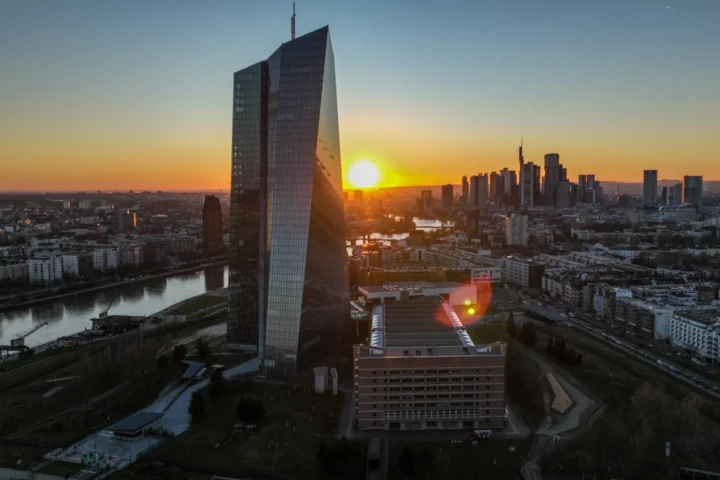
Furthermore, the European Central Bank’s (ECB) ongoing battle against inflation introduces another layer of complexity. While inflation has shown signs of moderating, it remains above the ECB’s target, suggesting that further interest rate hikes could be on the horizon. Such measures, while necessary to curb price increases, can suppress economic activity by making borrowing more expensive for businesses and consumers. German investors are evidently weighing the potential for tighter monetary policy to stifle the nascent recovery before it can gather significant momentum.
The unexpected souring of investor outlook necessitates a careful reassessment of Germany’s economic prospects for the latter half of the year. While one survey does not dictate the entire economic narrative, the ZEW index has historically provided valuable insights into market sentiment. Its sharp decline suggests that the path to a robust recovery may be more arduous and protracted than previously anticipated, requiring continued vigilance from policymakers and businesses alike as they navigate an increasingly uncertain economic climate.