Staff Report
The international community is currently grappling with a period of profound geopolitical instability as the prospect of a wider conflict involving Iran looms over the Middle East. Diplomatic efforts are intensifying across global capitals to prevent what many observers fear could be a catastrophic escalation. This heightened state of alert follows a series of military exchanges that have pushed regional powers and their international allies to the brink of a new, unpredictable chapter in modern warfare.
At the heart of the current crisis is the fragile balance of power that has historically governed the region. For decades, a shadow war has been fought through proxies and covert operations, but the recent shift toward direct confrontation has fundamentally altered the risk calculus for global policymakers. Defense analysts suggest that the current trajectory could lead to a spillover effect, drawing in neighboring nations and potentially forcing the involvement of global superpowers who have significant strategic interests in the Mediterranean and the Persian Gulf.
Economists are particularly concerned about the implications for the global energy sector. The Strait of Hormuz, a narrow waterway through which approximately one-fifth of the world’s total oil consumption passes, remains a primary point of vulnerability. Any sustained disruption to shipping in this corridor would likely send crude prices soaring, reigniting inflationary pressures that central banks have been struggling to contain. For industrialized nations already facing sluggish growth, a sudden energy shock could be the catalyst for a synchronized global recession.
Beyond the immediate economic fallout, the humanitarian stakes are equally high. The potential for a large-scale conflict threatens to displace millions of people, adding to an already historic global migration crisis. United Nations officials have warned that the regional infrastructure is ill-equipped to handle a surge in refugees, and the delivery of essential aid would be severely compromised by active hostilities. The diplomatic community is working around the clock to establish de-escalation channels, yet the rhetoric from both regional leaders and their adversaries remains uncompromising.
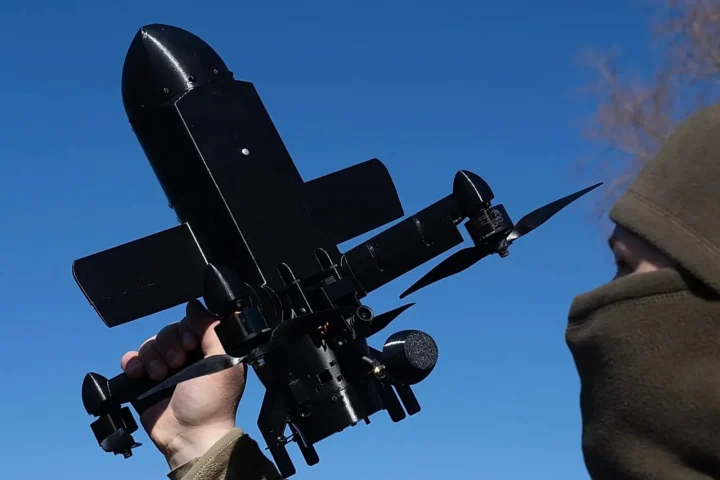
Technological advancements in warfare have also introduced new variables into the equation. The widespread use of long-range drones and sophisticated cyber capabilities means that a conflict would not be confined to traditional battlefields. Essential services, including power grids and financial networks, could become primary targets in a digital front, impacting civilian populations far removed from the physical site of military operations. This hybridization of conflict makes the task of containment significantly more complex for international security agencies.
As the situation evolves, the role of international mediation has never been more critical. Traditional alliances are being tested as nations weigh their security commitments against the necessity of maintaining regional stability. The coming weeks will likely determine whether the current tensions can be diffused through high-level diplomacy or if the world is headed toward a confrontation that will reshape the geopolitical landscape for a generation. For now, the global community remains in a state of watchful waiting, cognizant that a single miscalculation could ignite a firestorm with global consequences.