Staff Report
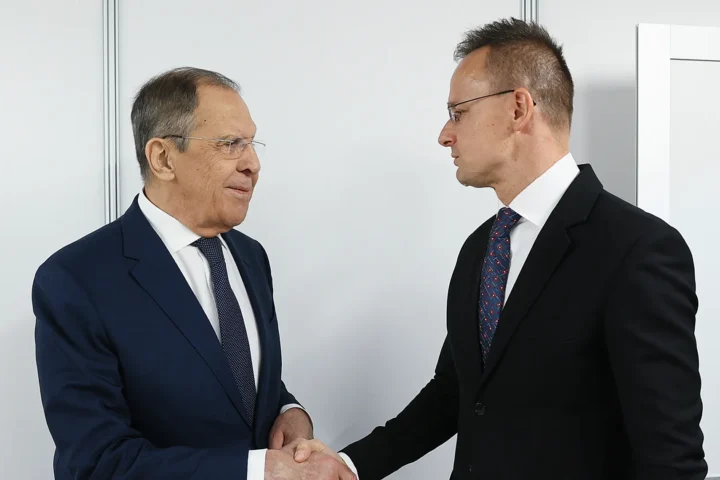
In a move that underscores the complex geopolitical landscape of Central Europe, Hungarian Foreign Minister Peter Szijjarto arrived in Moscow this week for high-level discussions aimed at securing the nation’s energy future. This visit represents a significant moment in the ongoing diplomatic balancing act maintained by Budapest, as it seeks to insulate its domestic economy from the volatility currently gripping the global energy markets. While many European Union member states have moved aggressively to decouple their infrastructure from Russian resources, Hungary continues to prioritize bilateral agreements that ensure a steady flow of natural gas and oil.
The discussions in the Kremlin focused heavily on the long-term sustainability of supply routes, particularly the TurkStream pipeline, which has become a vital artery for Hungarian industry. Peter Szijjarto emphasized during his remarks that for Hungary, energy security is not a matter of political preference but a fundamental physical necessity. The Hungarian government has frequently argued that geographical realities and existing infrastructure leave the nation with few immediate alternatives to Russian energy imports, making these direct negotiations with Vladimir Putin and Russian energy executives a cornerstone of their national strategy.
Beyond natural gas, the meeting also touched upon the expansion of the Paks nuclear power plant. This massive infrastructure project, which relies on Russian technology and financing, is central to Hungary’s plan to achieve greater energy independence in the long term. By increasing its nuclear capacity, Budapest hopes to reduce its overall carbon footprint while maintaining a baseload of electricity that is immune to the price fluctuations of fossil fuels. The progress of the Paks II project has been a point of contention with some European regulators, yet the Hungarian delegation remains committed to the partnership, citing the technical expertise provided by Moscow’s state-owned energy corporations.
Critically, this visit occurs at a time of heightened tension within the European Union. Budapest has often found itself at odds with Brussels over the implementation of sanctions and the collective approach to the conflict in Ukraine. By engaging directly with Vladimir Putin, Hungary is signaling its intent to pursue a sovereign foreign policy that places domestic stability above bloc-wide uniformity. This approach has garnered both criticism from Western allies and domestic support from those who fear that a total break from Russian energy would lead to an industrial collapse and skyrocketing utility bills for ordinary citizens.
Russia, for its part, appears eager to maintain these economic linkages. For Moscow, Hungary serves as a crucial bridge to the European market, proving that despite broad international pressure, specific bilateral relationships remain functional. The talks reportedly included discussions on pricing mechanisms and potential increases in volume during the winter months, providing a sense of security for Hungarian grid operators. As the global energy transition continues to face hurdles ranging from supply chain disruptions to geopolitical instability, the Hungarian government’s strategy highlights the difficult choices facing nations that are heavily dependent on imported fuel.
As the delegation prepares to return to Budapest, the results of these talks will likely resonate through the halls of the European Parliament. The persistence of the Hungary-Russia energy partnership serves as a reminder of the differing national interests that exist within the European Union. While the long-term goal for the continent remains a shift toward renewables and diversified sources, the reality for Hungary in the immediate future is one of continued engagement with Moscow to keep the lights on and the factories running.