Staff Report
A significant escalation in maritime insecurity has gripped the global energy market following reports of a targeted attack on an oil tanker near the critical Strait of Hormuz. Authorities in Oman confirmed the incident early this morning, marking a dangerous shift in the regional security landscape. This latest confrontation involves a commercial vessel navigating one of the world’s most vital maritime chokepoints, through which approximately one-fifth of the world’s daily oil consumption passes.
Preliminary reports suggest the vessel was struck by unidentified projectiles while transiting the Gulf of Oman, just outside the narrowest point of the strait. While the crew is reported to be safe and the structural integrity of the ship remains intact, the psychological impact on the shipping industry was immediate. Insurance premiums for vessels operating in the Persian Gulf have already begun to climb as maritime security firms advise captains to exercise extreme caution and maintain high-speed transits through the affected waters.
The timing of this attack is particularly sensitive given the delicate geopolitical situation in the Middle East. For decades, the Strait of Hormuz has served as a strategic flashpoint, where regional rivalries and international interests frequently collide. Oman, which typically maintains a neutral stance and often acts as a diplomatic mediator in the region, took the lead in reporting the incident, signaling the seriousness with which local authorities are treating the threat to commercial navigation.
Energy analysts are closely monitoring the situation to determine if this is an isolated event or the beginning of a coordinated campaign against energy infrastructure. History has shown that even minor disruptions in the strait can lead to significant volatility in global crude prices. Market traders reacted swiftly to the news, with Brent crude futures ticking upward as concerns grew over a potential supply squeeze should the waterway become a theater for sustained conflict.
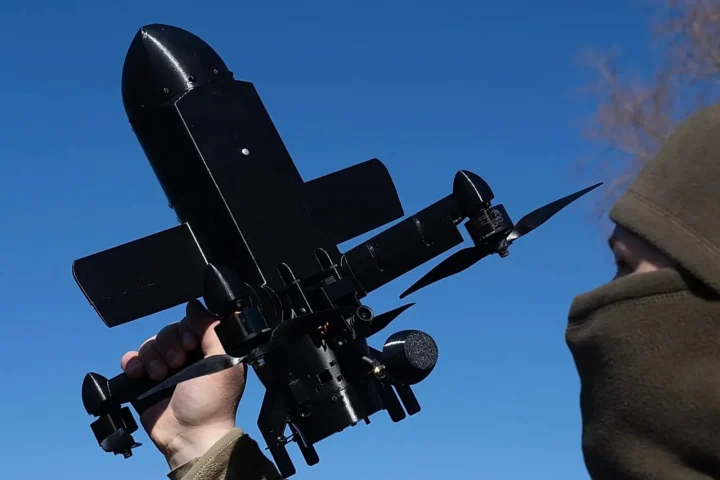
Naval forces stationed in the region, including the United States Fifth Fleet and a coalition of European maritime task forces, have reportedly increased their patrol frequency. These international bodies emphasize the importance of maintaining the free flow of commerce, yet the vastness of the area makes total protection of every commercial vessel a logistical impossibility. The reliance on remote drone technology and underwater mines by various actors in the region has further complicated the security calculus for private shipping companies.
Beyond the immediate economic ramifications, the attack raises urgent questions about the effectiveness of current diplomatic efforts to de-escalate regional tensions. If the Strait of Hormuz is perceived as unsafe, the ripple effects will be felt far beyond the Middle East. Refineries in East Asia and Western Europe, which depend heavily on a steady stream of tankers from the Persian Gulf, may be forced to seek alternative, more expensive sources of energy. This shift could exacerbate inflationary pressures that are already straining global economies.
As the investigation into the specific nature of the attack continues, the international community is calling for restraint. Oman has urged all parties to respect international maritime law and ensure that commercial shipping remains insulated from political and military disputes. However, with no group yet claiming responsibility for the strike, the lack of transparency adds a layer of uncertainty that the shipping industry finds deeply unsettling.
For now, the focus remains on the damaged vessel and the environmental safety of the surrounding waters. Salvage tugs and environmental response teams have been dispatched to ensure that no oil leakage occurs, which would add an ecological disaster to an already volatile political crisis. The coming days will be crucial in determining whether this event serves as a catalyst for renewed diplomatic dialogue or if it represents the first chapter in a new era of maritime confrontation.