Staff Report
The long-simmering friction between Islamabad and the Taliban-led government in Kabul erupted into direct military confrontation this week, marking a significant escalation in regional instability. Pakistan conducted a series of targeted airstrikes within Afghan territory, hitting what officials described as militant hideouts in the border provinces of Khost and Paktika. The operation represents one of the most aggressive cross-border actions taken by Pakistan in recent years, signaling a breakdown in diplomatic efforts to curb cross-border terrorism.
According to the Pakistani Foreign Ministry, the strikes were a retaliatory measure following a deadly attack on a military outpost in North Waziristan that claimed the lives of several Pakistani soldiers. Islamabad has repeatedly accused the Afghan Taliban of providing safe haven to the Tehrik-i-Taliban Pakistan (TTP), an insurgent group that has intensified its campaign of violence against the Pakistani state since the Taliban seized power in Kabul in 2021. Despite repeated assurances from Afghan authorities that their soil would not be used for terrorism, the frequency of attacks in Pakistan’s tribal regions has only increased.
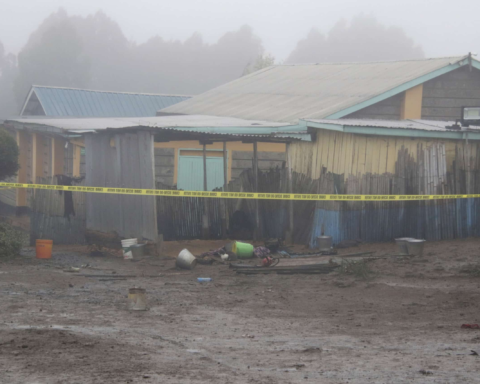
The Afghan government reacted with swift condemnation, describing the airstrikes as a blatant violation of sovereignty and territorial integrity. In the immediate aftermath of the aerial bombardment, Taliban forces reportedly engaged Pakistani border guards with heavy weaponry, leading to intense skirmishes at several points along the Durand Line. Local reports indicate that civilian populations on both sides of the border have begun to flee their homes as mortar fire and small arms exchanges continue to disrupt daily life in the rugged mountainous corridor.
For decades, the relationship between these two neighbors has been defined by a complex web of strategic reliance and deep-seated mistrust. During the twenty-year Western presence in Afghanistan, Pakistan was often accused by international observers of playing a double game. However, the current situation suggests that the Taliban’s return to power has not brought the security benefits Islamabad originally anticipated. Instead, the ideological kinship between the Afghan Taliban and the TTP has created a security vacuum that threatens to destabilize Pakistan’s internal security framework.
International observers are watching the situation with increasing concern, fearing that a full-scale border war could further devastate an already fragile region. The humanitarian situation in Afghanistan remains dire, with millions reliant on international aid that is difficult to deliver amidst active hostilities. Meanwhile, Pakistan is grappling with a severe economic crisis and internal political divisions, making a prolonged military engagement a risky and expensive endeavor for the government in Islamabad.
Diplomatic channels remain open, but the rhetoric from both capitals has turned increasingly hawkish. The Taliban defense ministry issued a stern warning, stating that any further incursions would meet a firm military response. Conversely, Pakistani leadership has made it clear that they will no longer tolerate the use of Afghan soil as a launchpad for extremist groups. The lack of a demarcated and mutually recognized border continues to be the primary flashpoint, as the Durand Line remains a legacy of colonial-era cartography that neither side can agree upon.
As the smoke clears over the border villages, the path toward de-escalation appears narrow. Regional powers including China and Iran have called for restraint, recognizing that a protracted conflict could empower radical elements and lead to a wider refugee crisis. The coming days will be critical in determining whether this latest flare-up is a temporary show of force or the beginning of a new, more violent chapter in the complex history of Pakistan and Afghanistan relations.