Staff Report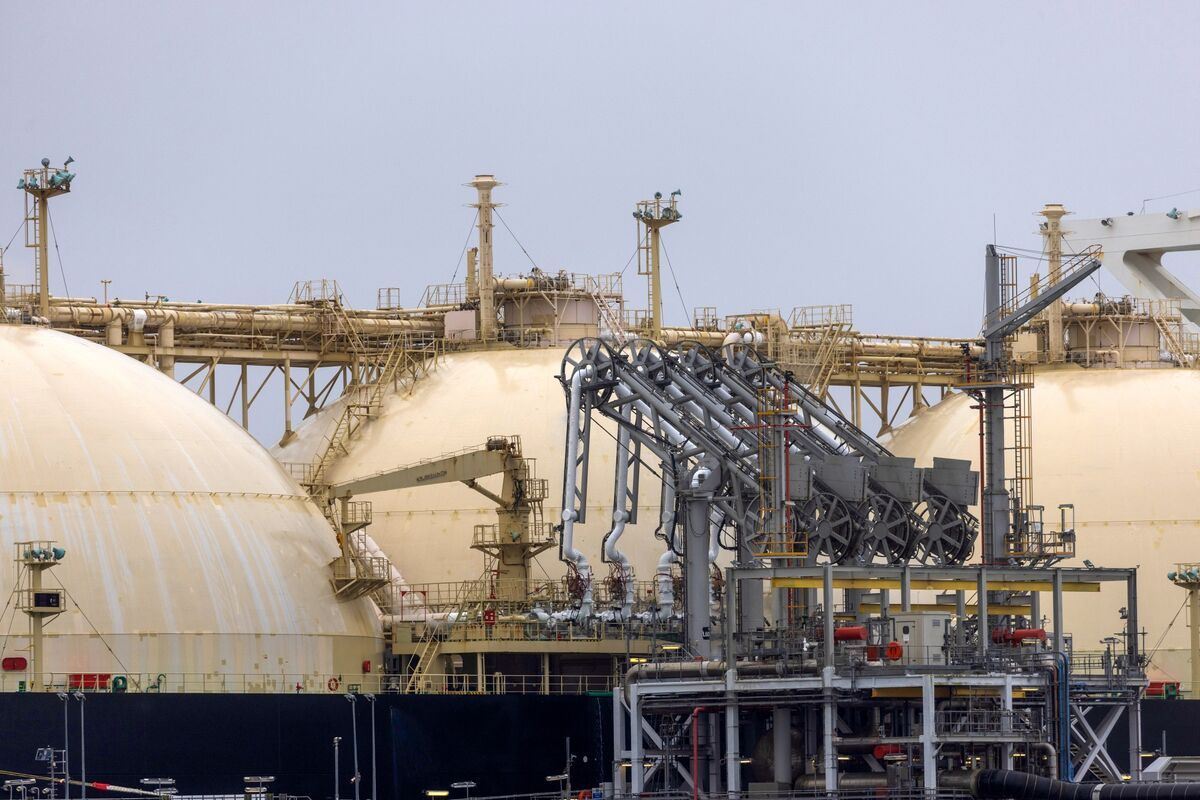
The natural gas markets in Europe experienced a notable downturn this past week, a shift many analysts are attributing, at least in part, to recent efforts by Donald Trump to influence global energy policy. Prices for the benchmark Dutch TTF futures, a key indicator for European gas, registered a significant drop, easing concerns that had been mounting over potential supply disruptions and escalating costs as winter approaches. This development follows a period of heightened volatility, where geopolitical tensions and supply uncertainties had kept energy traders on edge.
Trump, speaking from a campaign event, had publicly called for increased global oil and gas production, specifically urging OPEC+ nations and American energy companies to boost output. His rationale, articulated in multiple statements, centered on the idea that an abundance of supply would naturally drive down prices, thereby alleviating inflationary pressures and bolstering economic stability worldwide. While his current capacity to directly enact such policies is limited, his pronouncements often carry considerable weight in financial markets, particularly given his past actions during his presidency regarding energy and international relations. The former president’s commentary resonated with some market participants who interpret such signals as a potential harbinger of future policy directions, should he return to office.
This latest dip in European gas prices marks a departure from trends observed earlier in the summer, when a combination of factors, including maintenance schedules at Norwegian gas fields and concerns over liquefied natural gas (LNG) shipments, had pushed prices upward. Traders had been closely monitoring storage levels across the continent, which, while robust, were not entirely immune to sudden supply shocks. The psychological impact of a prominent global figure advocating for increased production, even without immediate executive power, can often be enough to temper speculative buying and encourage a more bearish outlook among some investors.
Sources within the energy sector suggest that while Trump’s statements played a role in shaping market sentiment, other underlying factors also contributed to the price reduction. Mild weather forecasts for parts of Europe, coupled with consistently high levels of LNG imports, have helped to ensure that storage facilities remain well-stocked. European gas inventories are currently hovering around 90% full, a comfortable position that provides a buffer against unexpected demand surges or supply interruptions. This robust storage capacity reduces the immediate urgency for aggressive purchasing, further dampening price pressures.
However, the long-term outlook for European natural gas remains complex. The continent’s reliance on imported LNG, coupled with its ambitious decarbonization targets, means that market dynamics can shift rapidly. Geopolitical events, particularly those affecting major gas-producing regions, continue to pose significant risks. While Trump’s recent interventions may have offered a temporary reprieve, the fundamental challenges of securing affordable and stable energy supplies for Europe persist. The interplay between political rhetoric, actual supply-demand fundamentals, and broader economic conditions will undoubtedly continue to shape the trajectory of energy markets in the months ahead. The current price drop, while welcome, is viewed by many as a moment of temporary calm in an inherently volatile sector, rather than a definitive reversal of underlying trends.