Staff Report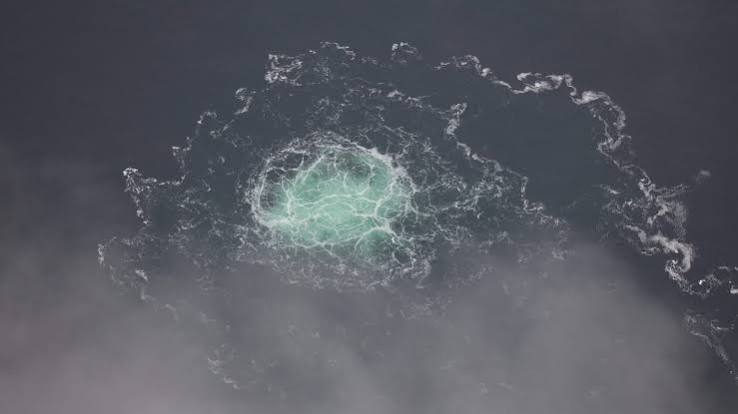
The intricate investigation into the 2022 Nord Stream gas pipeline sabotage has taken another turn with the arrest of a Ukrainian national in Croatia. Authorities in Germany confirmed Wednesday that a man identified as “Vladimir Z,” or Volodymyr in the Ukrainian form, was apprehended in Pula following the issuance of a European arrest warrant. This development marks a significant step in understanding the alleged plot that severely damaged critical energy infrastructure in the Baltic Sea.
German prosecutors, who have been leading the inquiry, assert that Vladimir Z is a qualified diver and played a direct role in the group responsible for placing explosive devices on both the Nord Stream 1 and Nord Stream 2 pipelines. These events unfolded near the island of Bornholm on September 26, 2022, approximately seven months after Russia’s full-scale invasion of Ukraine began. The accused is believed to have participated in the underwater operations necessary for the attack, which crippled three of the four underwater pipelines designed to transport natural gas from Russia to Germany. According to the ongoing German prosecution, the alleged objective was to permanently disrupt gas supplies, thereby cutting off a significant source of revenue for Russia’s war efforts.
This latest arrest follows an earlier attempt to detain Vladimir Z, who was reportedly arrested in Poland in 2025. However, Polish authorities at the time declined to extradite him, leading to his subsequent release. Now, with the Croatian apprehension, he is slated for extradition to Germany, where he will face a judge at the Federal Court of Justice. The group he is alleged to have been part of reportedly utilized a hired vessel, sailing from Rostock to the precise location of the explosions.
The German Federal Public Prosecutor’s Office has previously charged Serhii K, another individual implicated in the Nord Stream incident, in June. Serhii K had been arrested in Italy in August 2025 and subsequently extradited to Germany in November of that year. Prosecutors revealed in July that Serhii K was an officer in the Ukrainian army and is believed to have led the team accused of carrying out the sabotage. The ongoing legal proceedings against both Serhii K and now Vladimir Z underscore the complexity of attributing responsibility for an act that has had broad geopolitical implications.
The Nord Stream pipelines, once a vital artery for European energy supply, became a focal point of international debate and speculation following the explosions. The incident occurred at a time of heightened geopolitical tension, raising questions about energy security and the vulnerability of critical undersea infrastructure. While various theories emerged in the immediate aftermath, the German investigation has consistently pointed towards a specific group and methodology, gradually piecing together the events of that late September day. The formal charges and arrests suggest a more concrete narrative is forming, moving beyond initial conjectures.
As Vladimir Z awaits extradition and subsequent legal proceedings in Germany, the case continues to unfold, promising further revelations about the planning, execution, and motivations behind one of the most significant acts of sabotage against European infrastructure in recent memory. The focus remains on the judicial process, which aims to establish facts and accountability for the severe damage inflicted upon the pipelines.