Staff Report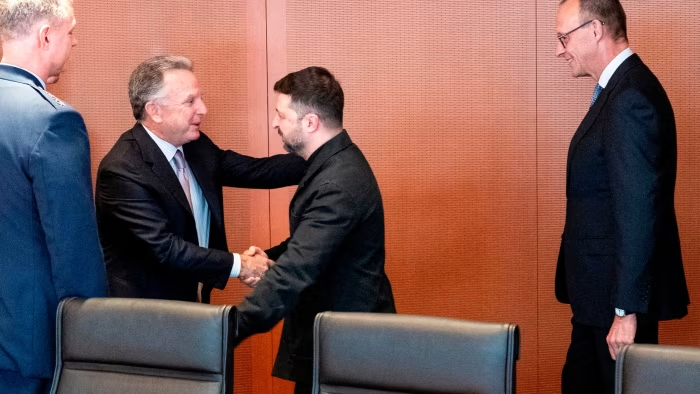
Berlin became the crucible of Ukraine’s future this Sunday, as President Volodymyr Zelenskyy touched down for high-stakes negotiations, hinting at a seismic shift in Kyiv’s long-held ambition for NATO membership. While the specter of a definitive peace plan looms, the concessions demanded, particularly from Washington, appear to be pushing Ukraine towards a stark choice: relinquish its NATO aspirations in exchange for immediate, tangible security guarantees. The arrival of US President Donald Trump’s special envoy, Steve Witkoff, and his son-in-law, Jared Kushner, at a central Berlin hotel underscored the gravity of the discussions, signaling direct pressure from a White House increasingly frustrated by the protracted conflict.
Zelenskyy, speaking to journalists before his meetings, candidly admitted that Ukraine’s desire to join the Western military alliance was not universally supported by its allies. Instead, he floated the possibility of securing “Article 5-like guarantees” from both the United States and the European Union, along with other nations like Canada and Japan. This pivot is a significant departure from Ukraine’s consistent public stance, reflecting the immense pressure brought to bear by Washington. Trump, in recent statements, has been unambiguous, urging Zelenskyy to “finally move forward and make concessions when you are losing – because Ukraine is losing.” This blunt assessment from the US President sets a demanding backdrop for the peace talks, placing the onus squarely on Kyiv to compromise.
The path to any resolution remains fraught with obstacles, not least the intractable issue of eastern Ukraine. Russian President Vladimir Putin continues to insist on Ukraine’s withdrawal from the remaining Ukrainian-controlled sections of the Donetsk region and a permanent renunciation of NATO membership. The details of a potential demilitarized zone in the Donbas also present a formidable challenge. Yuri Ushakov, Putin’s foreign policy adviser, starkly noted that Russian police and national guard units would remain in these areas even if such a zone were established, a demand Kyiv is almost certain to reject. Ushakov’s recent remarks on Russian state television, dismissing Ukrainian and European contributions to peace proposals as “unlikely to be constructive,” paint a grim picture of Moscow’s negotiating posture, suggesting any compromise will be hard-won.
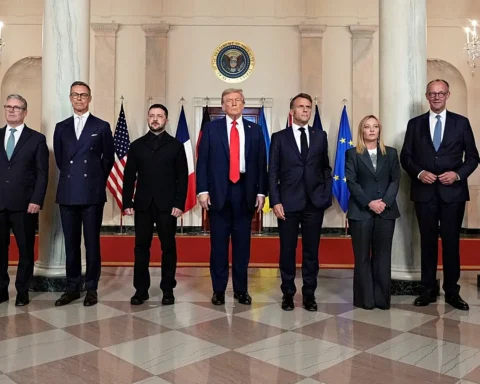
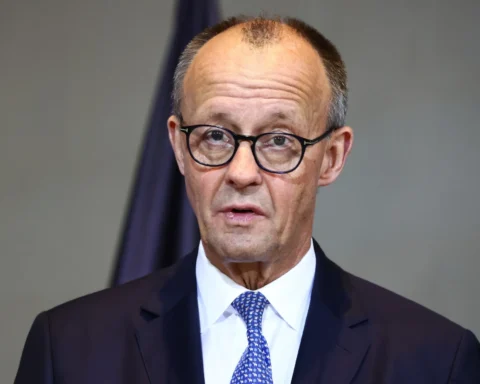
German Chancellor Friedrich Merz, set to host Zelenskyy and numerous European leaders, articulated a growing sentiment across the continent: “the decades of ‘Pax Americana’ are largely over for us in Europe.” Merz, alongside French President Emmanuel Macron and British Prime Minister Keir Starmer, is spearheading European efforts to support Ukraine, yet his words hint at a recognition that Europe must increasingly forge its own security destiny. His stark warning that Putin’s ultimate goal is a “fundamental change of borders in Europe, the restoration of the old Soviet Union,” and that “if Ukraine falls, he will not stop,” underscores the existential stakes involved for the continent.
The current peace proposals, according to Ushakov, have been “worsened” by Ukrainian and European input, a sentiment that suggests a deep chasm between the negotiating parties. He confirmed that the territorial question was a central theme when Witkoff and Kushner met Putin earlier this month, making it clear that Moscow believes the Americans are fully aware of its position. Zelenskyy, who will also meet with Merz and other European heads of state, has yet to receive a response from the US on Ukraine’s latest proposals, highlighting the delicate dance of diplomacy unfolding in Berlin. The coming days will reveal whether Kyiv’s willingness to reconsider its NATO ambitions can unlock a genuine path to peace, or if the chasm between the warring parties remains too wide to bridge.