Staff Report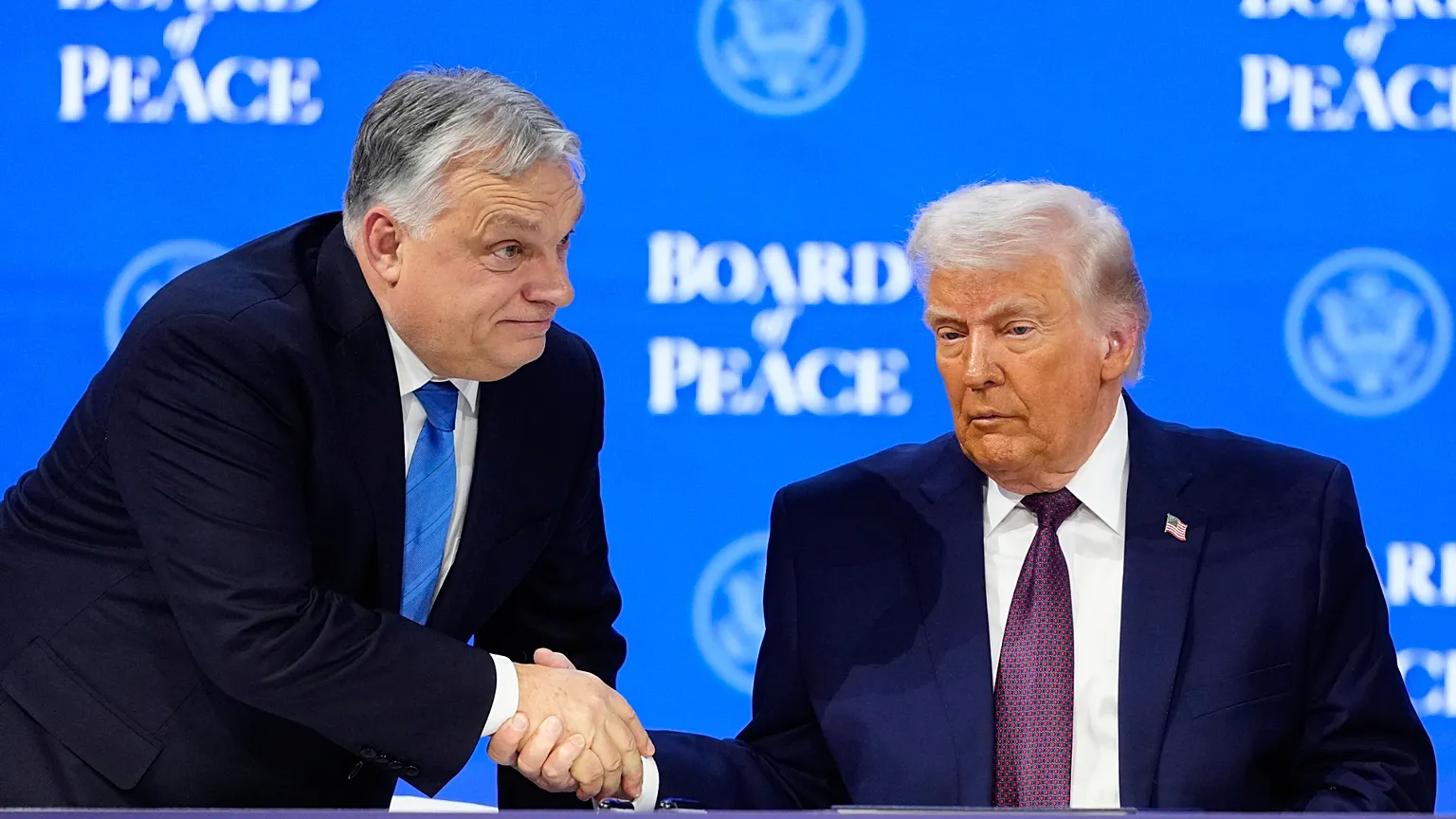
The political currents in Hungary are notably turbulent as the nation approaches a critical election, a contest where Prime Minister Viktor Orbán’s long-standing dominance faces an unprecedented challenge. Into this fray, US President Donald Trump has again thrown his weight behind Orbán, signaling his support through a post on Truth Social. This endorsement arrives at a moment when opinion polls suggest a significant shift in voter sentiment, with Orbán’s traditional supermajority potentially at risk.
For over a decade, since 2010, Viktor Orbán has steered Hungary, consolidating power and implementing policies that have frequently drawn international scrutiny. However, the emergence of Péter Magyar’s Tisza Party has injected a new, unpredictable element into Hungarian politics. Recent polling data from the 21 Research Center indicates Tisza now holds a lead, with 35% of the vote compared to the governing Fidesz-KDNP coalition’s 28%. This represents a considerable erosion of support for Orbán’s party, transforming what might have once been considered a formality into a genuine competition.
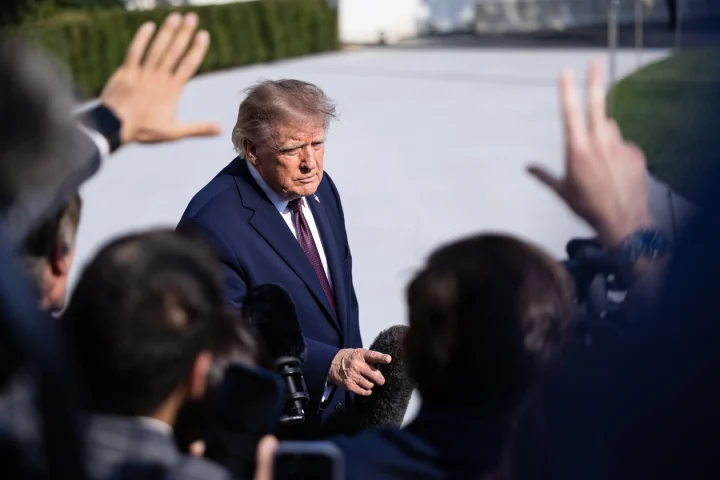
Trump’s proactive support for right-wing conservative allies is a well-established pattern. His endorsements for figures like Japan’s Sanae Takaichi and Argentina’s Javier Milei, both of whom subsequently secured electoral victories, underscore a strategic approach to international political alignments. In the Hungarian context, Trump’s message was unequivocal. He declared his continued backing for Orbán, whom he previously supported in the 2022 elections, referring to him as a “true friend, a fighter and winner.” Trump particularly lauded Orbán’s firm stance on illegal migration, an issue that resonates deeply with a segment of the conservative electorate globally.
This transatlantic political solidarity is not merely symbolic. It aligns with certain strategic perspectives outlined in documents such as the controversial US National Security Strategy, which reportedly identifies reliance on nationalistic, hard-right forces in Europe as a means to prevent “civilizational decline.” Such viewpoints suggest a deeper, ideological underpinning to these endorsements, extending beyond personal camaraderie.
Adding another dimension to this dynamic, Trump had previously communicated with Orbán in January, hinting at a potential visit to Hungary ahead of the upcoming elections. While no specific date has been set for such a trip, the Hungarian Prime Minister recently expressed his desire to “lure” Trump to Budapest. Orbán also revealed an intriguing proposal for a summit in the Hungarian capital involving the United States, Russia, and Ukraine, aimed at fostering peace. He stated that a “definite agreement” exists with both the American and Russian presidents to hold such a meeting in Budapest should progress towards a peace summit materialize. This suggests a potential role for Hungary on a larger geopolitical stage, further elevated by the prospect of a high-profile visit from a former US president.
The forthcoming election in Hungary, therefore, is not just a domestic affair. It has become a focal point for international observation, particularly given the explicit backing from a prominent global political figure and the broader implications for right-wing movements across Europe. The challenge posed by the Tisza Party, coupled with Trump’s vocal endorsement, ensures that the April election will be watched closely for its potential to reshape Hungary’s political trajectory and perhaps influence wider international relations.