Staff Report
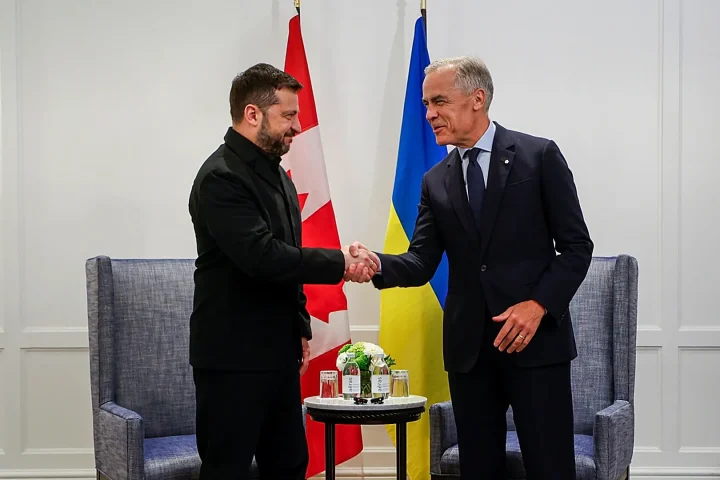
The diplomatic bridge between Kyiv and Budapest has reached a perilous breaking point as Ukrainian President Volodymyr Zelenskyy intensified his rhetoric against Hungarian Prime Minister Viktor Orban. At the heart of this deteriorating relationship is a bitter dispute over energy infrastructure and the flow of Russian oil through Ukrainian territory, a situation that has now spiraled into personal and political threats that could reshape regional security dynamics.
During a recent diplomatic briefing, Zelenskyy suggested that if Budapest continues to obstruct Ukrainian interests or support Kremlin-aligned energy policies, he may no longer restrain Ukrainian soldiers from expressing their frustrations directly to the Hungarian leader. While phrased as a hypothetical, the implication of allowing battle-hardened troops to voice their grievances to a neighboring head of state represents an unprecedented departure from standard European diplomatic protocol. It signals a shift from backroom negotiations to a more confrontational and public form of geopolitical pressure.
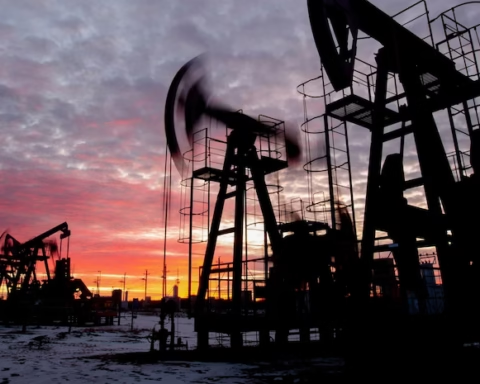
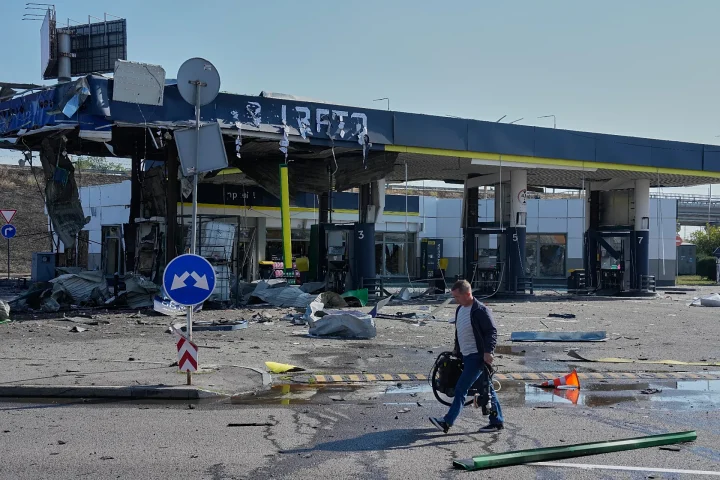
Hungary has long been the primary outlier within both the European Union and NATO regarding the war in Ukraine. Prime Minister Orban has consistently criticized sanctions against Moscow and has maintained a functional relationship with Vladimir Putin, citing Hungary’s heavy reliance on Russian energy. The current flashpoint involves the Lukoil pipeline, which serves as a vital artery for Hungarian refineries. Kyiv recently tightened sanctions that effectively throttled the flow of oil through this route, a move Budapest has decried as energy blackmail and a violation of mutual trade agreements.
From the perspective of the Ukrainian administration, the pipeline remains a legitimate lever of influence against a neighbor they perceive as undermining the broader European effort to defend Ukrainian sovereignty. Zelenskyy’s latest remarks underscore a growing impatience with what he describes as Orban’s double-dealing. The Ukrainian leader argued that while his soldiers are dying on the front lines to protect the borders of Europe, the Hungarian government is actively filling the Russian treasury through its insistence on maintaining old energy ties.
The threat to let soldiers speak with Orban is particularly potent because of the high moral authority Ukrainian troops currently hold within the domestic and international consciousness. By framing the dispute as a confrontation between the men in the trenches and the politicians in Budapest, Zelenskyy is attempting to bypass official diplomatic channels and appeal to the court of public opinion. He is essentially betting that Orban cannot withstand the optics of being publicly confronted by the very people fighting the war he has been accused of facilitating.
Budapest has responded with predictable indignation. Hungarian officials have called for the European Commission to intervene, arguing that Ukraine is using its position as a transit country to coerce a sovereign EU member state. They maintain that energy security is a matter of national survival and that Kyiv’s actions threaten to destabilize the Hungarian economy. However, the European Union’s reaction has been notably muted, reflecting a broader fatigue with Orban’s obstructionism in Brussels.
As the winter months approach, the stakes of this pipeline row will only increase. Energy costs remain a sensitive political issue across the continent, and any prolonged disruption to the Lukoil supply could force Hungary into even more extreme diplomatic positions. Conversely, if Ukraine proves it can successfully squeeze Budapest without losing the support of its other Western allies, it will have gained a powerful new tool in its diplomatic arsenal.
The confrontation marks a significant evolution in the war’s secondary fronts. It is no longer just about the movement of tanks and artillery, but about the strategic control of the resources that sustain modern states. Volodymyr Zelenskyy’s willingness to use his soldiers as a rhetorical cudgel against a neighboring leader suggests that the era of polite European diplomacy is over, replaced by a raw and urgent struggle for survival and influence.