Staff Report
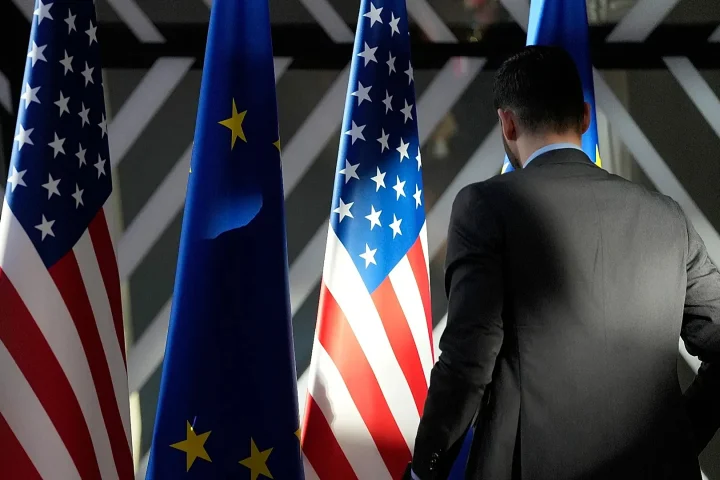
A significant diplomatic rift has emerged within the Western alliance as key European NATO members formally requested that the Trump administration reverse its recent decision to suspend sanctions on Russian energy exports. The collective appeal marks a pivotal moment in transatlantic relations, highlighting a deep strategic divide over how to manage the ongoing geopolitical tensions involving Moscow and the global energy market.
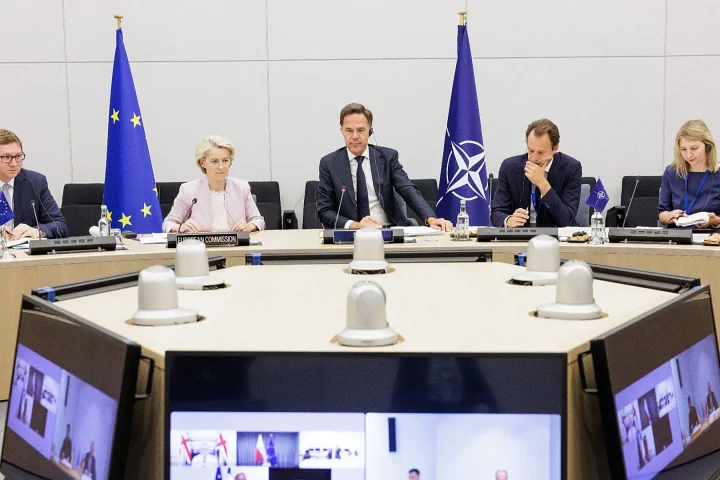
European officials expressed grave concerns during a closed-door summit in Brussels, arguing that the suspension of these economic penalties provides the Kremlin with a vital financial lifeline. For months, the sanctions regime had been a cornerstone of the Western strategy to limit foreign revenue streams that fund military operations. By lifting these restrictions, European leaders contend that the United States is inadvertently weakening the collective security posture of the North Atlantic Treaty Organization.
Diplomatic sources indicate that the push for a reversal is led by a coalition of Baltic and Eastern European nations, who view the resurgence of Russian oil revenue as a direct threat to their sovereign borders. These nations have spent the last year pivoting away from Russian hydrocarbons at great domestic expense, and they now feel that the sudden policy shift in Washington undermines their economic sacrifices. The tension was palpable as representatives from several member states noted that energy policy and national security are now inextricably linked.
On the other side of the Atlantic, the White House has defended the suspension as a necessary measure to combat domestic inflation and stabilize global oil prices. Administration officials have argued that the high cost of energy was placing an undue burden on American consumers and that a temporary reprieve from sanctions would help lower the cost of living. However, this domestic focus has not sat well with allies who believe that the long-term cost of a resourced Russia far outweighs the short-term benefit of cheaper fuel.
Energy analysts suggest that the market reaction to this political friction could be volatile. If the administration bows to NATO pressure and reinstates the sanctions, global oil supplies could tighten once again, potentially driving prices back toward record highs. Conversely, if the United States maintains its current course, it risks isolating itself from its closest military partners and fracturing the unified front that has defined the alliance for decades.
The situation is further complicated by the internal politics of the European Union. While many member states are vocal about reinstating sanctions, others remain quietly relieved by the potential for lower energy costs as winter approaches. This lack of absolute consensus within Europe gives Washington some room to maneuver, though the official stance of NATO leadership remains one of firm opposition to the current American policy.
As the debate intensifies, the Trump administration faces a difficult balancing act between its ‘America First’ economic agenda and its obligations to a security alliance that relies on American leadership. Observers are watching closely to see if a compromise can be reached, perhaps through a phased reintroduction of penalties or a commitment to increased American liquefied natural gas exports to offset the loss of Russian supplies.
For now, the diplomatic stalemate persists. The coming weeks will be critical as technical committees from both sides meet to discuss the economic impacts of the energy trade. Whether the alliance can find common ground on this sensitive issue will likely determine the strength of the Western response to future security challenges in the region.