Staff Report
A significant escalation in regional tensions occurred early Tuesday as Qatari defense systems successfully intercepted a series of incoming missiles targeting strategic infrastructure. The military engagement has prompted immediate emergency protocols and a series of planned evacuations for non-essential personnel in sensitive zones. Despite the gravity of the kinetic exchange, global financial markets have displayed a remarkable level of stability, with major indices holding steady as traders weigh the geopolitical risks against broader economic indicators.
The Qatari Ministry of Defense confirmed that its sophisticated surface-to-air missile batteries identified and neutralized multiple projectiles before they could reach their intended targets. While the source of the launch remains under investigation by international observers, the precision of the interception has been praised by regional security analysts as a testament to the nation’s modernized defense capabilities. In the immediate aftermath of the sirens, the government announced a temporary relocation of residents in coastal districts to ensure public safety during the heightened state of alert.
Energy analysts are watching the situation with intense scrutiny given Qatar’s pivotal role in the global liquefied natural gas market. Any prolonged instability in the Gulf usually triggers a spike in energy futures, yet the initial reaction from Brent crude and gas benchmarks has been uncharacteristically muted. This suggests that the market had already priced in a degree of regional volatility or that investors believe the current flare-up will be contained without disrupting vital shipping lanes in the Strait of Hormuz.
In the capital city of Doha, the atmosphere remains disciplined as authorities coordinate the evacuation process. Government spokespeople emphasized that these measures are precautionary and designed to eliminate any risk of collateral damage while the military maintains a high readiness posture. International diplomatic corridors are already buzzing with activity as mediators from the United Nations and neighboring states attempt to de-escalate the situation and prevent a wider regional conflagration.
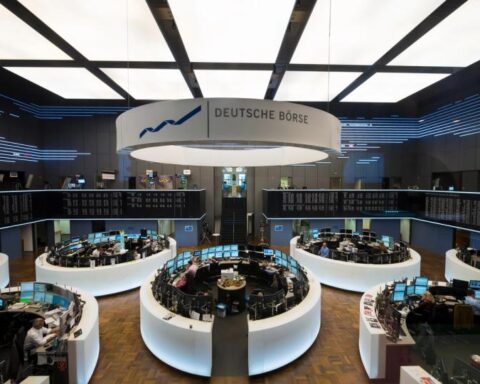
From an investment perspective, the resilience of the stocks is perhaps the most unexpected headline of the day. Wall Street and European bourses opened with only marginal losses, largely ignoring the geopolitical headlines in favor of domestic earnings reports and central bank commentary. This decoupling of geopolitical conflict from equity performance highlights a shift in market psychology, where investors are increasingly desensitized to localized skirmishes unless they directly impact the global supply chain for an extended duration.
As the situation develops, the focus remains on the Qatari government’s next steps regarding retaliatory measures or diplomatic outreach. The successful interception has provided a temporary shield for the economy, but the long-term implications for regional security architecture remain a subject of intense debate. For now, the combination of robust defense technology and market stoicism has prevented a localized military event from spiraling into a global financial crisis.