Staff Report
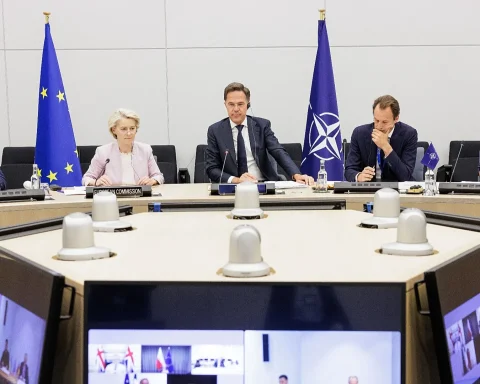
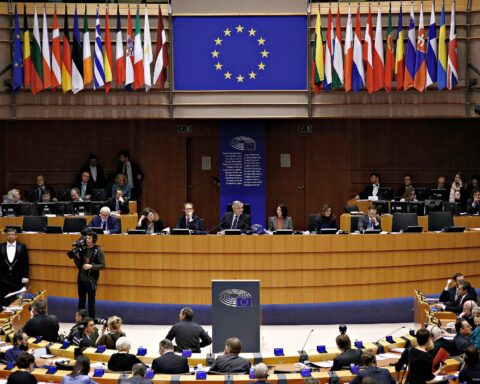
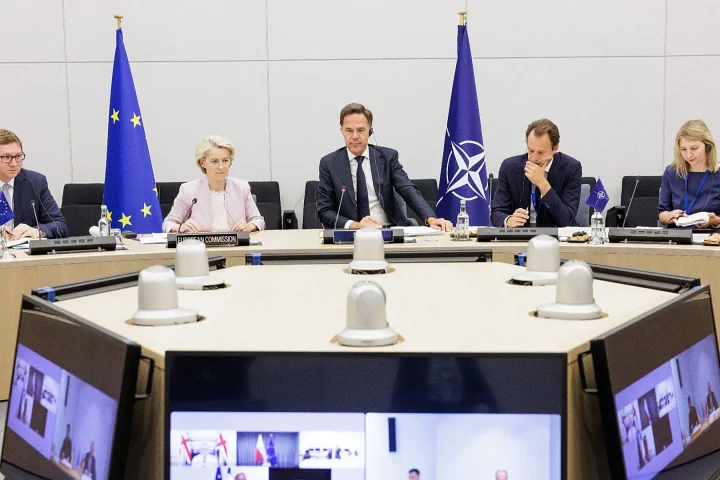
The European Commission has issued a formal directive to its member nations, calling for an immediate and strategic reduction in petroleum demand to safeguard the continent against potential long-term energy instability. This policy shift reflects a growing consensus in Brussels that the current geopolitical climate necessitates a proactive retreat from fossil fuel dependency, rather than a reactive scramble during a crisis. Officials are concerned that the fragile state of global supply chains could lead to a prolonged period of volatility that threatens the economic stability of the eurozone.
Brussels is specifically recommending that national governments implement measures that encourage public transit usage, optimize industrial efficiency, and potentially lower speed limits on major highways. While these suggestions are currently categorized as voluntary guidelines, the underlying message is one of urgency. The European Union aims to create a unified buffer that prevents localized shortages from cascading into a continent-wide emergency. By curbing demand now, the Commission believes member states can better manage the strategic reserves required to fuel essential services and critical manufacturing sectors during the winter months.
Economic analysts suggest that this move is also a calculated attempt to decouple European markets from unpredictable external suppliers. The shift toward a more conservative consumption model is seen as a necessary bridge while the transition to renewable energy sources continues to scale up. However, the transition is not without its challenges. Several member states with heavy industrial bases have expressed concern regarding the impact of reduced oil availability on their GDP growth. To address this, the EU has hinted at potential financial support mechanisms for industries that successfully demonstrate significant reductions in their carbon and petroleum footprints.
Public sentiment regarding these measures remains mixed. In countries with high inflation, the prospect of government-mandated conservation has sparked debate over the cost of living and the accessibility of private transport. Nevertheless, the European Union maintains that the risk of doing nothing far outweighs the temporary discomfort of conservation. The objective is to avoid the chaotic price spikes that characterized previous energy shocks, providing a sense of predictability for both businesses and households.
Energy experts point out that the success of this initiative depends entirely on cross-border cooperation. If only a handful of nations adhere to the consumption targets, the collective security of the bloc remains at risk. Consequently, the Commission is expected to monitor national consumption data closely over the coming quarter, with the possibility of introducing more stringent mandates if voluntary reductions fail to meet the necessary thresholds. This strategy marks a pivotal moment in European energy policy, signaling a transition from abundance to a disciplined, security-focused era of resource management.