Staff Report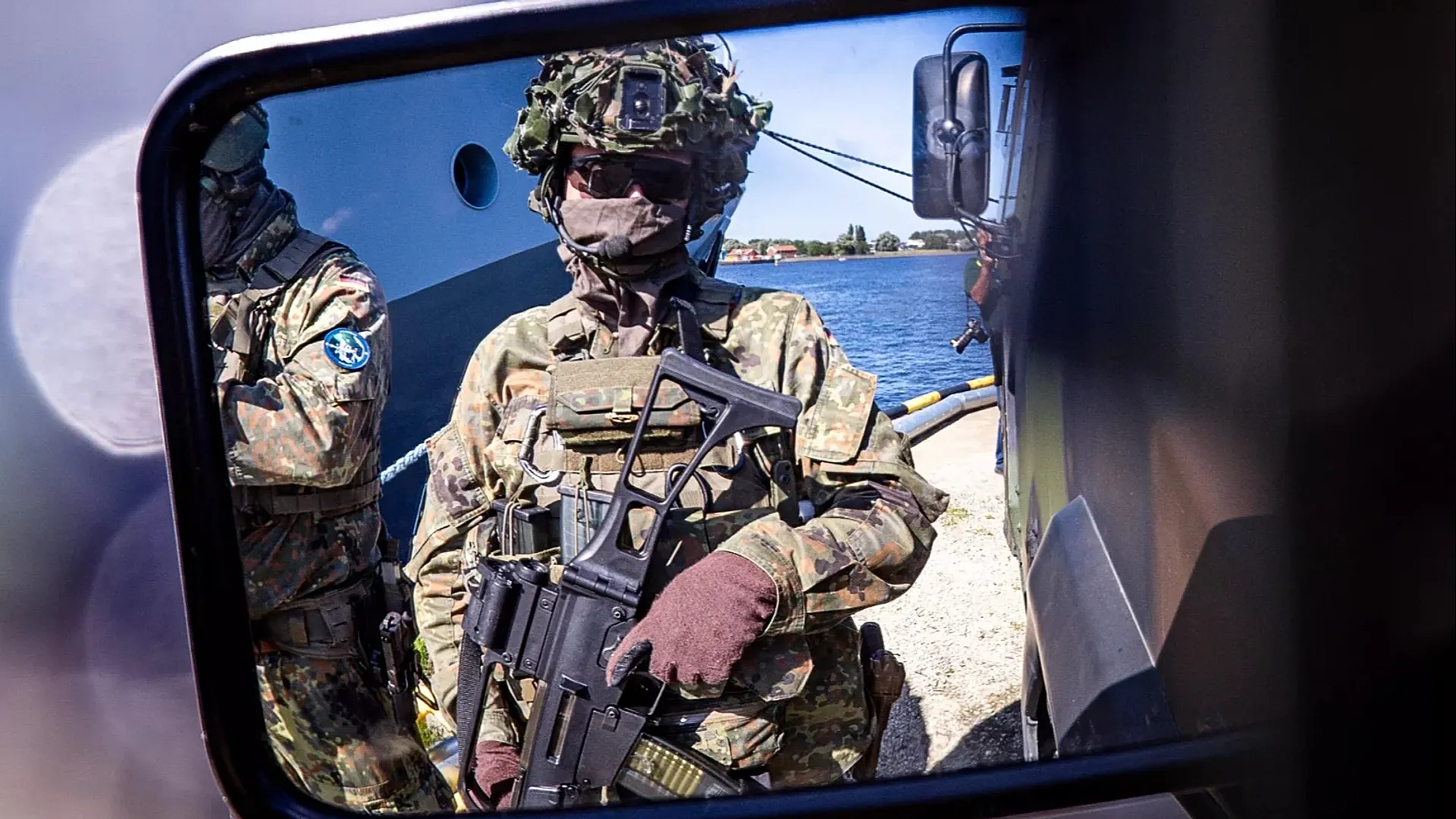
Germany and the Netherlands are poised to establish a joint tactical headquarters in the Baltic region this year, a strategic move intended to bolster NATO’s defensive posture along its eastern frontier. This new command center, known as 1GNC, will take on a pivotal role in Estonia and Latvia, significantly enhancing the alliance’s capacity to deter potential aggression. The German defense ministry confirmed the deployment, emphasizing its contribution to NATO’s cohesion and its direct support for deterring Russia.
This forthcoming headquarters represents a substantial upgrade in NATO’s operational capabilities in the region. Currently, all alliance forces in the Baltics are commanded from a single headquarters situated in Szczecin, Poland. The addition of 1GNC will introduce a second corps headquarters, providing greater flexibility and enabling a more rapid response to emerging threats. This dual command structure is designed to distribute the burden and increase overall responsiveness, critical elements in a rapidly evolving security landscape.
The 1GNC unit itself is a formidable asset, capable of commanding up to 50,000 troops should the need arise. Its responsibilities extend beyond mere command and control; the center is tasked with the meticulous planning and execution of military exercises, formulating contingency plans for potential conflicts, and ultimately leading forces if hostilities erupt. This comprehensive mandate underscores the strategic importance placed on the Baltic region, particularly in light of recent geopolitical developments.
The German-Netherlands Corps, which forms the core of 1GNC, typically operates from its headquarters in Münster, Germany, deploying for NATO missions as required. This established unit, founded in 1995, sees its command responsibilities rotated between Germany and the Netherlands. Germany is currently at the helm, a leadership role it will maintain until early 2028. Beyond these two principal nations, 14 other NATO member countries contribute personnel to the headquarters, illustrating a broad commitment to the unit’s mission.
The decision to establish this new command center comes amidst a period of heightened vigilance across Europe’s eastern flank. Last year, NATO initiated its Baltic Sentry program, a direct response to a series of suspected sabotage incidents targeting critical undersea infrastructure in the region. Furthermore, European Commission President Ursula von der Leyen recently addressed the increasing frequency of drone incursions into EU airspace, characterizing them as more than isolated events. These incidents, coupled with warnings from Baltic leaders and EU officials regarding intensifying hybrid threats along the eastern border, paint a clear picture of the complex security environment informing this strategic deployment. The joint efforts of Germany and the Netherlands in establishing this command center signify a clear demonstration of their willingness and capability to assume greater responsibility for the deterrence and defense of NATO’s vital eastern flank.