Staff Report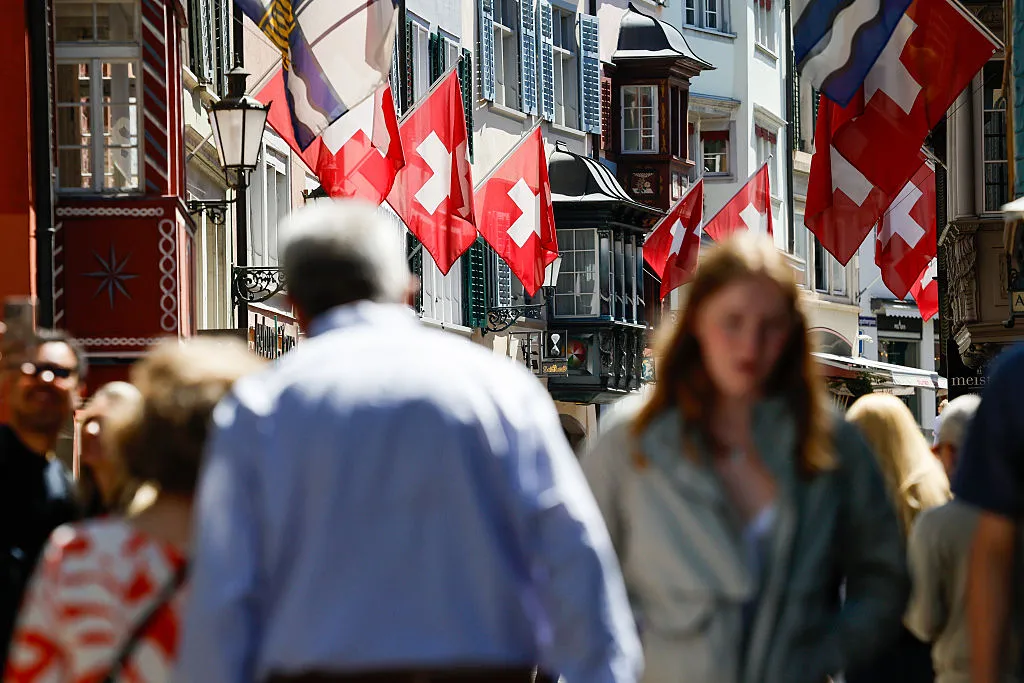
The serene landscapes and meticulous order often associated with Switzerland are currently juxtaposed against a significant internal debate: whether a population approaching ten million residents is a sustainable trajectory for the nation. This isn’t merely a theoretical exercise; it touches on the very fabric of Swiss identity, its infrastructure, and the delicate balance between economic growth and environmental preservation. For decades, Switzerland has managed to maintain a high quality of life despite its relatively small size and high population density in certain regions, but recent demographic shifts are prompting a national conversation about limits.
Official statistics reveal a steady climb in resident numbers, largely fueled by immigration, which has consistently outpaced natural population growth. This influx has been a boon for certain sectors of the economy, providing a skilled workforce and contributing to Switzerland’s robust financial and technological industries. However, the rapid expansion has also placed noticeable strain on resources, particularly in housing, transportation, and public services. Major urban centers, already among the most expensive in the world, are seeing housing prices continue their ascent, pushing many residents further from their workplaces and contributing to increased commuting times.
The political landscape reflects this growing concern. Various factions are now openly discussing the implications of continued growth, with some advocating for stricter immigration controls and others emphasizing the economic necessity of a dynamic workforce. Initiatives aimed at managing population levels have emerged, sparking intense public discourse and highlighting the divergent views within Swiss society. These discussions are not new in Switzerland, a country known for its direct democracy and frequent referendums, but the current intensity suggests a turning point may be approaching.
Environmental considerations also loom large in this national introspection. Switzerland’s pristine alpine regions and carefully managed natural spaces are central to its image and its citizens’ well-being. Increased population density inevitably brings with it a larger ecological footprint, from greater demands on energy and water resources to increased waste generation and traffic congestion, particularly in sensitive areas. The potential impact on biodiversity and the strain on existing conservation efforts are points of significant concern for environmental groups and a segment of the population.
The economic arguments are complex and often contradictory. Proponents of continued growth argue that a larger, younger population is essential to maintain the country’s pension system, fuel innovation, and sustain its competitive edge in the global market. They point to labor shortages in critical sectors and the economic benefits derived from a diverse, international workforce. Conversely, those advocating for a more measured approach express worries about wage stagnation for certain segments of the population, increased competition for jobs, and the potential erosion of the social cohesion that Switzerland values highly.
As the discussions evolve, the challenge for Switzerland will be to navigate these competing interests while upholding its core values. The debate over the ten million mark is more than just a numbers game; it is a profound reflection on the kind of future the Swiss envision for their nation. Whether through policy adjustments, infrastructure investments, or a recalibration of national priorities, the decisions made in the coming years will undoubtedly shape the country’s trajectory for generations to come.