Staff Report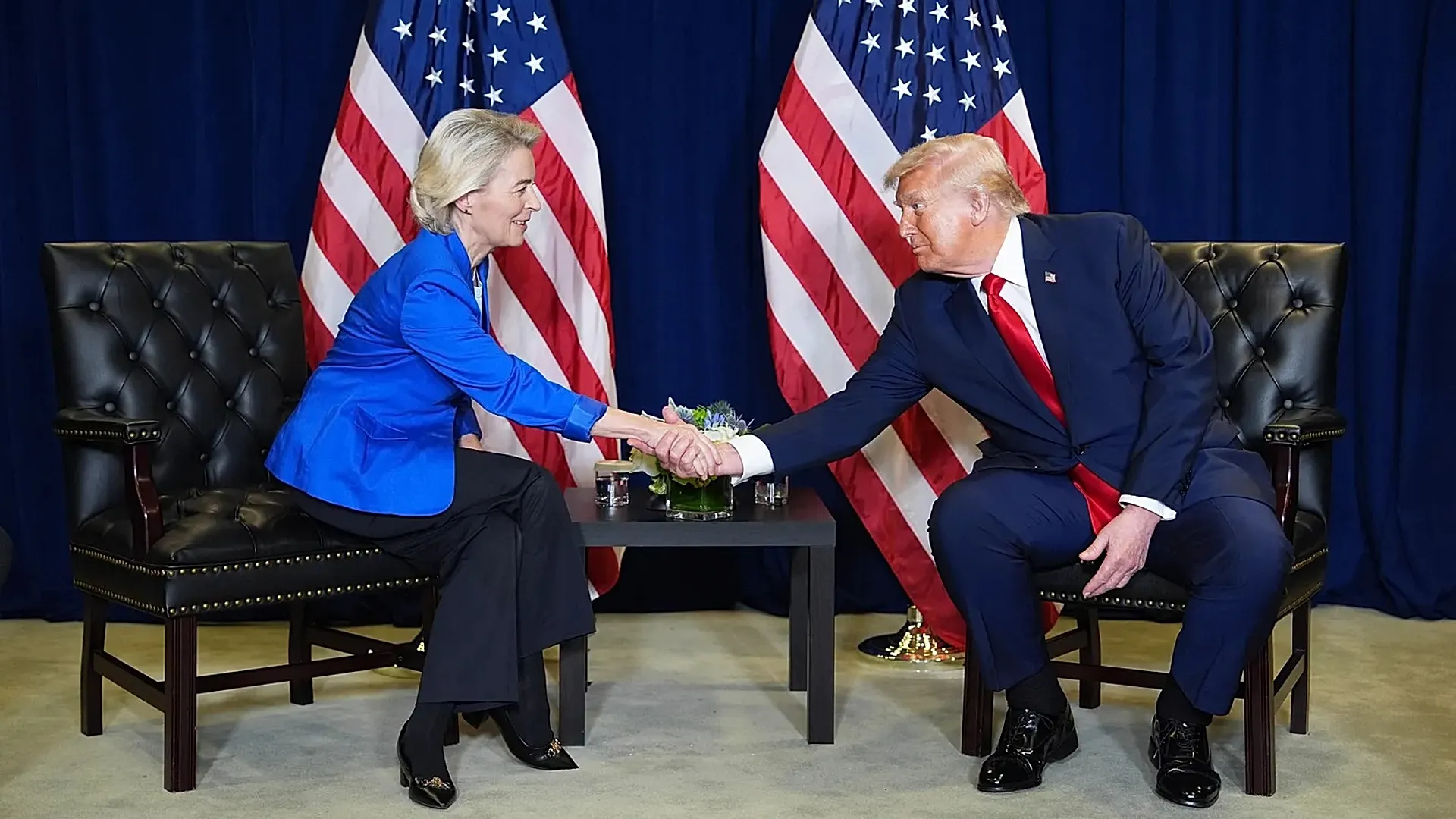
European officials are preparing for the United States to implement fresh tariffs in the coming days, a development the European Commission acknowledges, despite characterizing the underlying premise as unjustified. The central concern for the EU now revolves around ensuring that any new duties remain within the 15 percent ceiling established by the July 2025 Turnberry trade agreement between the US and the EU. This agreement, signed by then-President Donald Trump and Commission President Ursula von der Leyen, set a critical benchmark for transatlantic trade relations.
The White House indicated in early June its intention to impose new duties on global trading partners, citing insufficient efforts to curb trade in goods produced using forced labor as detrimental to US commercial interests. Jamieson Greer, the US Trade Representative, stated on Tuesday that the implementation of these forced labor duties was imminent, as the current US tariff regime is slated to expire this Friday. This impending change has prompted close monitoring from European counterparts, who are primarily focused on the financial implications for EU goods.
An EU senior official, speaking on the matter, conveyed the union’s disagreement with the US findings on forced labor. However, the official emphasized that the primary objective is to uphold the Turnberry agreement, thereby providing European companies with the stability and predictability it promised. This stance highlights a pragmatic approach, where maintaining the framework of an existing trade deal takes precedence over disputing the specific justifications for the tariffs, at least in the immediate term.
Last February, the Trump administration had already imposed 10 percent duties on its global trading partners following a US Supreme Court ruling that deemed its 2025 tariffs illegal. When combined with pre-existing Most-Favoured-Nation duties, these tariffs already push the average duties on EU goods close to the 15 percent maximum allowed under the Turnberry agreement. The legal basis for this current tariff regime, however, is temporary, set to expire on July 24 unless Congress approves an extension, a prospect considered unlikely particularly with midterm elections approaching.
To replace this expiring regime, the US Trade Department initiated an investigation under Section 301 of the Trade Act of 1974, specifically targeting forced labor in global supply chains. This investigation is expected to conclude shortly. Greer, in an interview on CNBC, confirmed that action is anticipated soon, though he refrained from specifying a precise timeline, citing responsibilities to brief Congress and other stakeholders.
While the Commission has previously defended its own stringent regulations against products made with forced labor, and its deputy chief spokesperson Olof Gill stated in early June that tariffs imposed on these grounds were considered unjustified, the current position suggests a shift towards managing the outcome rather than outright opposition. The focus appears to be squarely on safeguarding the parameters of the Turnberry agreement. This strategic pivot was further underscored when President Trump recently threatened 100 percent tariffs on generic drugs imported into the US within two years, escalating to 200 percent a year later. A Commission spokesperson confirmed on Wednesday that such medicines are explicitly exempted under the EU-US deal, referencing the US Section 232 Proclamation of April 2 as confirmation of this commitment, and expressing an expectation for the US to honor it.