Staff Report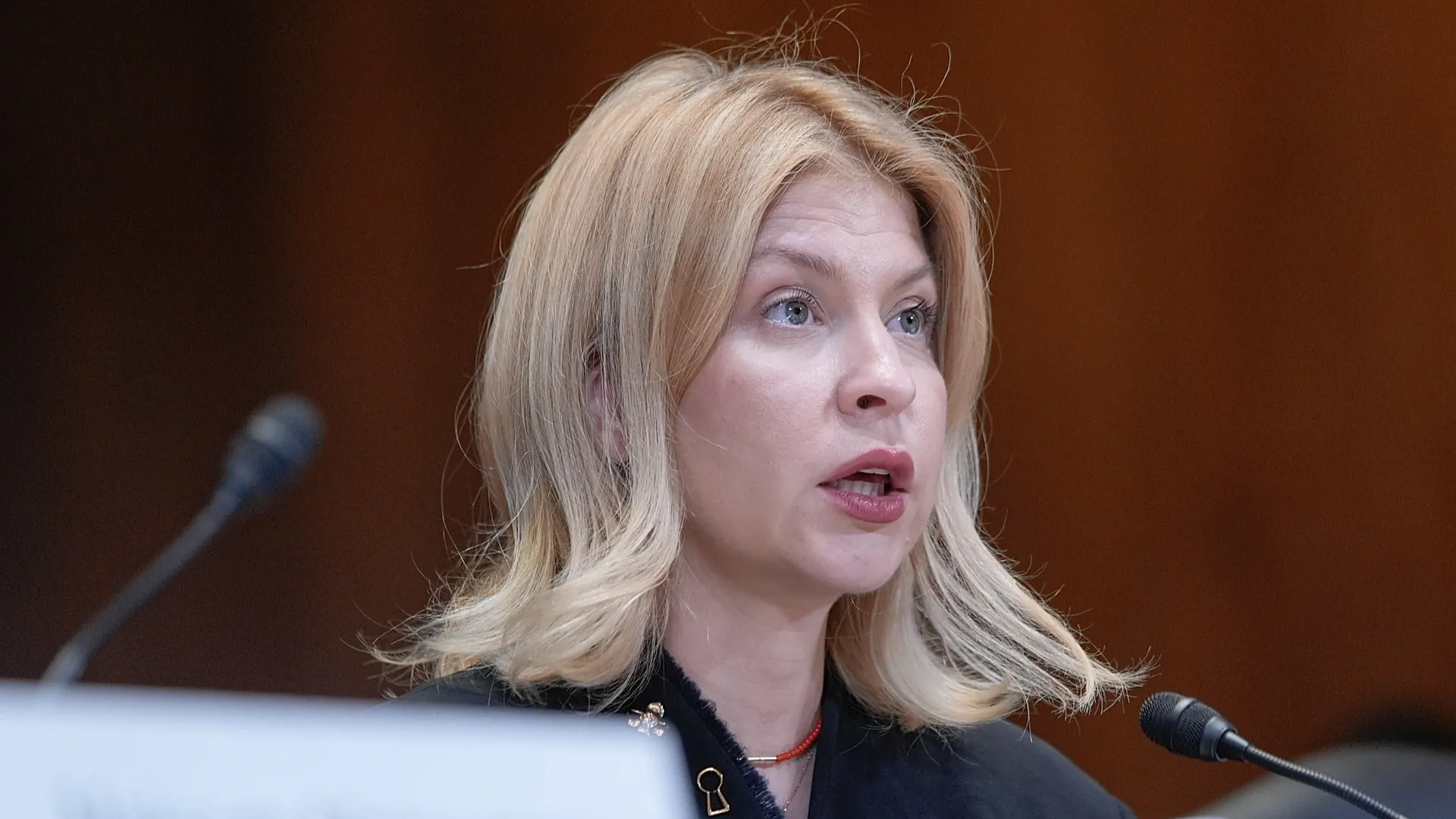
A high-profile anti-corruption investigation is currently unfolding in Kyiv, centering on Olha Stefanishyna, Ukraine’s former ambassador to the United States. The High Anti-Corruption Court convened a hearing this week to address allegations that surfaced shortly after her departure from the diplomatic role. Stefanishyna, who also previously served as deputy prime minister for European and Euro-Atlantic integration, is now under scrutiny from both the National Anti-Corruption Bureau and the Specialised Anti-Corruption Prosecutor’s Office (SAPO).
The core of the allegations, as presented by a SAPO prosecutor, revolves around undeclared assets and expenditures that ostensibly outpaced her reported income and savings. Specifically, Stefanishyna is accused of failing to disclose two apartments and significant cash sums allegedly used for various personal expenses. These expenses reportedly include renovations, airline tickets, and rent for an additional apartment. Furthermore, the investigation points to her alleged use of a car registered to one of her subordinates, a detail that has drawn particular attention. The formal notice of suspicion was served on August 5, according to reports from Ukraine’s state broadcaster Suspilne.
Stefanishyna, for her part, has addressed the accusations publicly, stating on Facebook that she views the investigation “calmly and without unnecessary emotion.” She emphasized that procedural actions are an inherent part of the legal system and do not, in themselves, constitute a finding of guilt. Her statement also indicated that many of the issues now being raised in the media, particularly those concerning real estate, had been previously addressed by her. She claims to have provided journalists with all necessary documentation regarding an apartment that had been the subject of earlier inquiries. Reiterating a fundamental legal principle, Stefanishyna asserted that “The burden of proving allegations lies with those who make them,” and expressed confidence in her ability to “calmly and lawfully defend my position.”
Her resignation from the crucial Washington D.C. post was announced on August 3 via a presidential decree from Volodymyr Zelenskyy, though no specific reason was provided at the time. This move fueled existing speculation that a potential corruption probe might be behind her departure. Such rumors had been circulating since a broader wartime government reshuffle commenced in mid-July. Stefanishyna herself cited “personal reasons” for stepping down, a common explanation in such high-level transitions.
The timing of these events has led many observers to connect the dots between the investigation and the broader political landscape in Kyiv. Her planned exit from one of Ukraine’s most significant ambassadorial roles was widely interpreted by analysts as a catalyst for the reshuffle. It was even anticipated that Yuliia Svyrydenko, who was later dismissed from her role as prime minister, might succeed Stefanishyna in Washington. The unfolding legal process against Stefanishyna now adds another layer of complexity to Ukraine’s ongoing efforts to demonstrate transparency and combat corruption, even amidst the backdrop of war. The coming weeks are expected to bring further developments as the High Anti-Corruption Court proceeds with its hearings.