Staff Report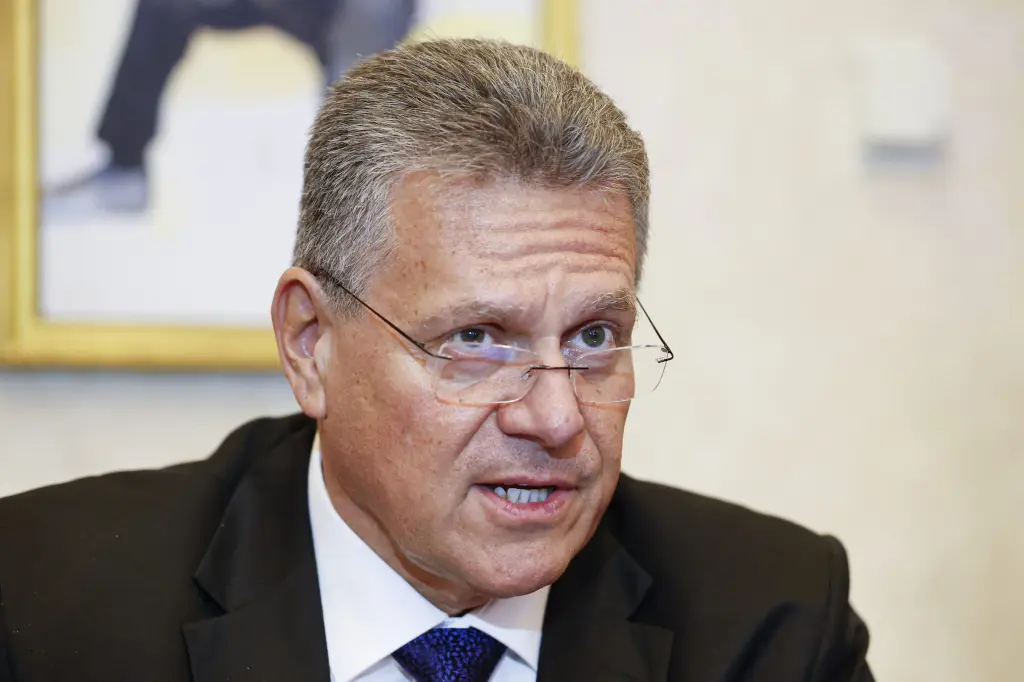
KAMIL KRZACZYNSKI–AFP/Getty Images
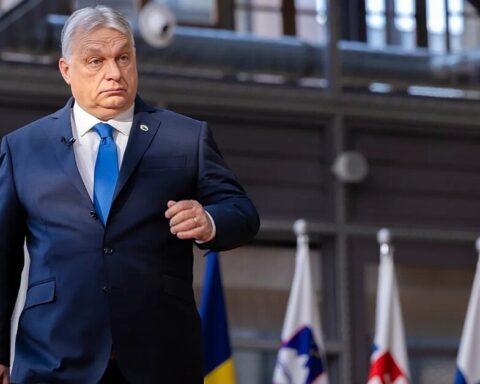
The European Commission’s top trade envoy, Maroš Šefčovič, arrived in Beijing this week for a two-day meeting with Chinese Commerce Minister Wang Wentao, tasked with narrowing a trade deficit that has become too large for Brussels to ignore. The EU’s goods trade gap with China has swelled past €360 billion (roughly $410 billion) a year, a shortfall European officials now describe as running at more than $1 billion a day.
Šefčovič has laid out three negotiating priorities for the talks: curbing the surge of imports flooding strategically sensitive sectors, increasing European exports into the Chinese market, and securing better access to critical raw materials China currently dominates. He had already given Beijing an October deadline earlier this year to show meaningful progress on those fronts — a deadline that falls during this very visit.
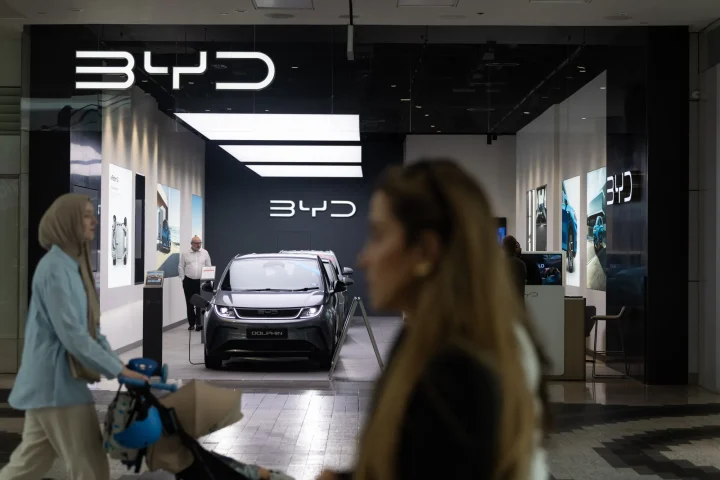
The economic anxiety behind the trip is concrete: European manufacturers of batteries, solar panels, steel, electric vehicles, chemicals and industrial machinery say they are losing jobs and production capacity to cheaper Chinese competition. Brussels has already imposed trade measures targeting Chinese steel imports and low-value e-commerce parcels, moves Beijing has not taken quietly — China opened an anti-dumping investigation into EU exports just ahead of the Šefčovič-Wang meeting, after warning last month it would retaliate against any tougher EU protectionist measures.
The pressure for a harder line is also coming from inside the bloc. A joint letter from France and Germany has called for a broad rethink of the EU’s China strategy, including making it easier for the European Commission to invoke the bloc’s Anti-Coercion Instrument — informally dubbed the “trade bazooka.” The mechanism, created to let Brussels block or restrict trade and investment from countries found to be using economic pressure against EU member states or companies, has never actually been used since its creation.
Whether Šefčovič’s Beijing trip produces concrete commitments or simply buys time will likely shape how quickly that untested instrument gets its first real-world test. For now, both sides are negotiating with their own forms of leverage already in motion — EU tariffs on one side, a fresh Chinese anti-dumping probe on the other — raising the stakes on a relationship neither side can easily walk away from.