 Staff Report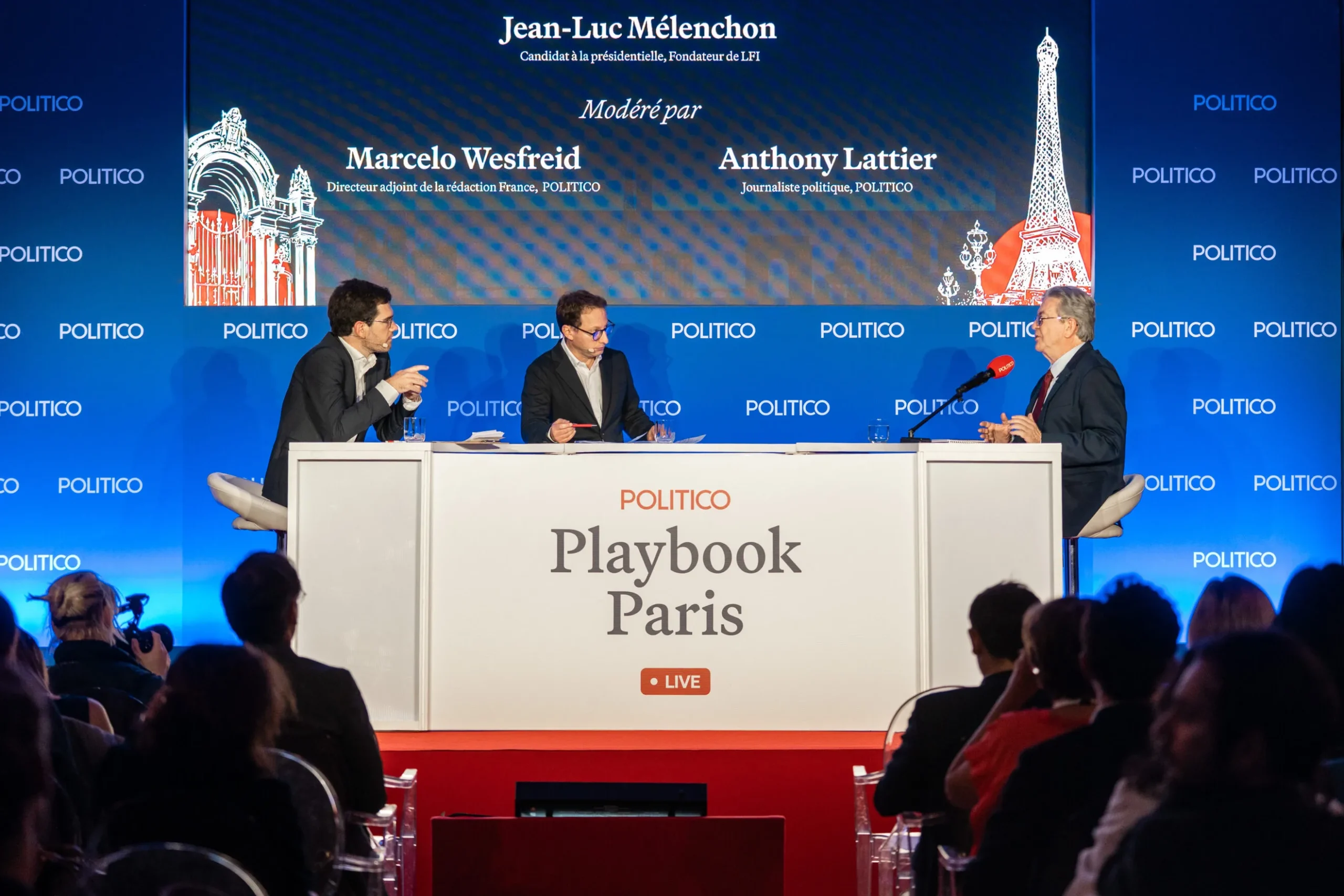
François Le Guen and Mathias Filippini for POLITICO
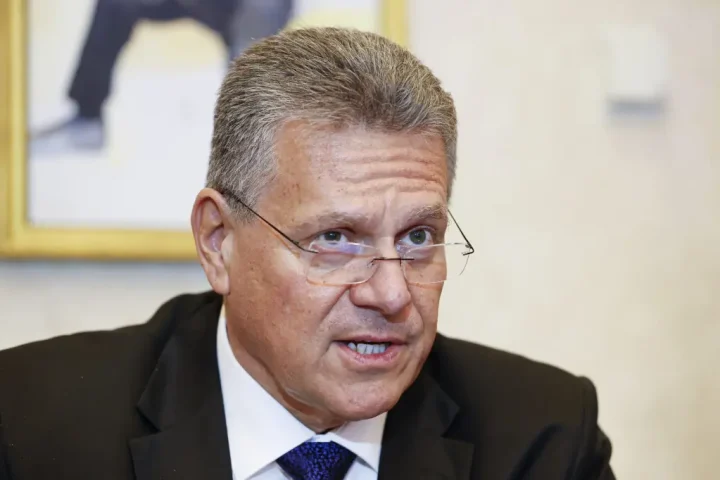
French far-left presidential candidate Jean-Luc Mélenchon wants to pull France out of NATO, but insists that would not mean abandoning Europe’s eastern borders. Asked whether he would withdraw French troops currently stationed in Estonia and Romania under the alliance’s framework, Mélenchon told POLITICO the question was “irrelevant,” since “these countries are members of the EU and fall under the scope of European treaties.”
“Being out of NATO does not mean we are abandoning the defense of our common borders,” he added, speaking at the Playbook Paris Live summit.
Mélenchon is currently among the front-runners in next spring’s presidential election to succeed Emmanuel Macron, according to polling. He and far-right rival Marine Le Pen both favor pulling Paris out of the military alliance, a shared position that has unsettled officials at NATO headquarters about the future direction of French defense policy. Mélenchon framed leaving NATO as a matter of “dignity” given what he described as U.S. President Donald Trump’s treatment of European allies.
He also renewed his criticism of Germany's large-scale rearmament program, accusing Berlin of failing to coordinate with its neighbors and invoking the historical weight of Germany's past military conflicts with France. "[The Germans want to build Europe's] largest conventional army, to do what? ... We need to talk about this, and you're going to tell us why," he said.
On Ukraine, Mélenchon said he wants to move toward banning Ukrainian deep strikes into Russian territory, arguing that continued Western-supplied strikes risk drawing France and its allies further into the conflict. "Do you realize that [they're] firing with French and British weapons? We're becoming belligerents," he said.
Mélenchon's positioning underscores a growing split in French politics over NATO membership, one that cuts across the traditional left-right divide even as both leading challengers to Macron's coalition converge on skepticism of the alliance itself.