 Staff Report

France’s public debt has climbed to a record $4 trillion, or 119% of GDP, the highest ratio since the immediate aftermath of World War II, pushing bond yields to their highest levels in 24 years and triggering warning signs not seen since the eurozone debt crisis of 2011.
Moody’s latest assessment credits France with a wealthy economy and competent public institutions, but warns that the country’s fractured political landscape threatens to paralyze the government’s ability to take the painful steps needed to bring the deficit under control.
With far-right and far-left candidates currently leading in polling for France’s presidential election next spring, markets are increasingly skeptical that whoever wins will be willing or able to push through the fiscal discipline the situation demands.
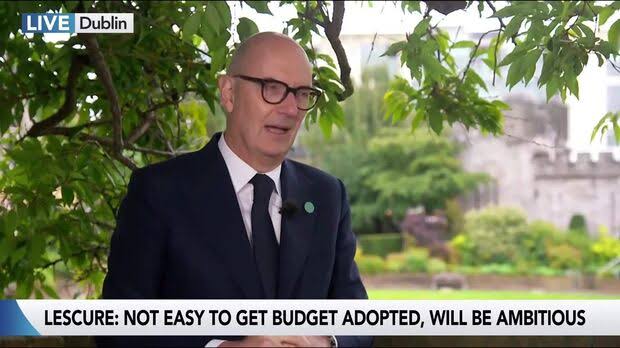
A 2027 budget proposal aimed at trimming the deficit modestly to 5% of GDP from 5.4% remains stuck amid political gridlock, with Moody's warning that the recent wave of social unrest could further constrain the government's ability to pursue fiscal consolidation. The agency expects the budget will eventually pass, potentially by decree if the National Assembly continues to stall.
Moody's said a "significant and sustained fiscal effort" will be required well beyond the presidential election to stabilize a debt burden on track to reach 122% of GDP next year, but cautioned that the next government is unlikely to achieve rapid consolidation given ongoing social tensions, a fragmented political environment and muted economic growth.
The combination of record debt, a paralyzed legislature and an election likely to produce leadership with little appetite for austerity suggests France's fiscal troubles are set to deepen through the rest of the decade, regardless of who ultimately wins the presidency.