 Staff Report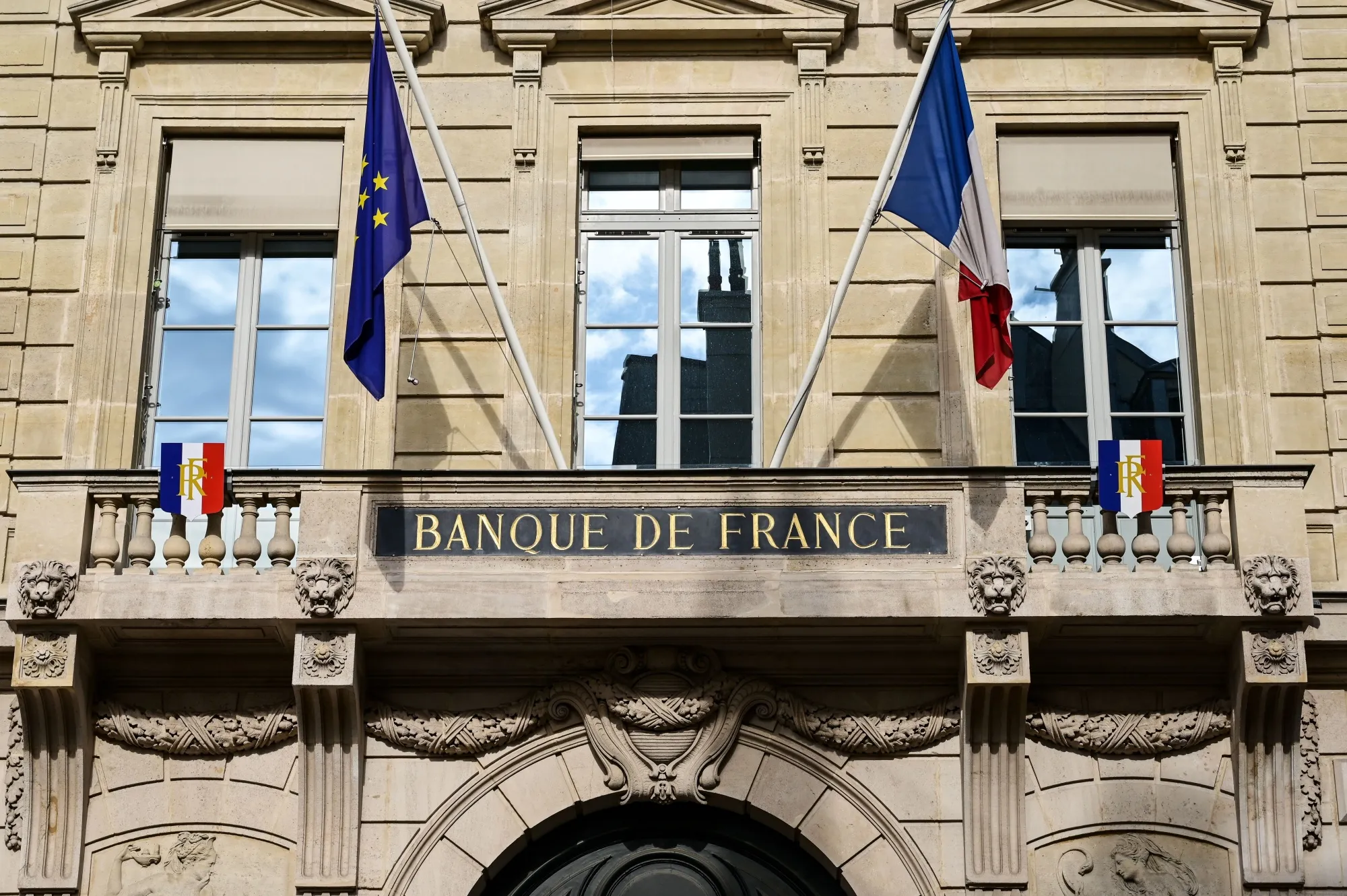
A closely watched Bank of France survey showed corporate uncertainty jumping sharply in September, reversing a steady decline that had been underway since March, as the central bank simultaneously trimmed its 2026 growth forecast to 0.4% from 0.5%.
The monthly business survey, conducted by the Bank of France among thousands of companies across manufacturing, services and construction, is among the country’s most closely tracked indicators of near-term economic sentiment, often preceding shifts in official growth data by several months.
Business leaders cited higher fuel prices as their top concern, alongside the conflict in the Middle East, which the Bank of France singled out as the biggest source of uncertainty given its potential to push oil and gas prices higher and squeeze household purchasing power through inflation. Fiscal concerns tied to France’s looming 2027 budget debate added to the unease.
The survey pointed to a self-reinforcing pattern taking hold: some companies have begun postponing investment projects, while consumers have grown more cautious with spending, a combination that can weaken both sides of the economy at once.
The downgrade follows a first half in which French economic activity effectively stalled, leaving the central bank's growth outlook for the year among the weakest in the eurozone.
The findings add to a broader picture of a French economy navigating political and fiscal strain simultaneously, with the upcoming budget negotiations seen as a key test of whether the uncertainty weighing on businesses and households eases or deepens heading into 2027.