 Staff Report
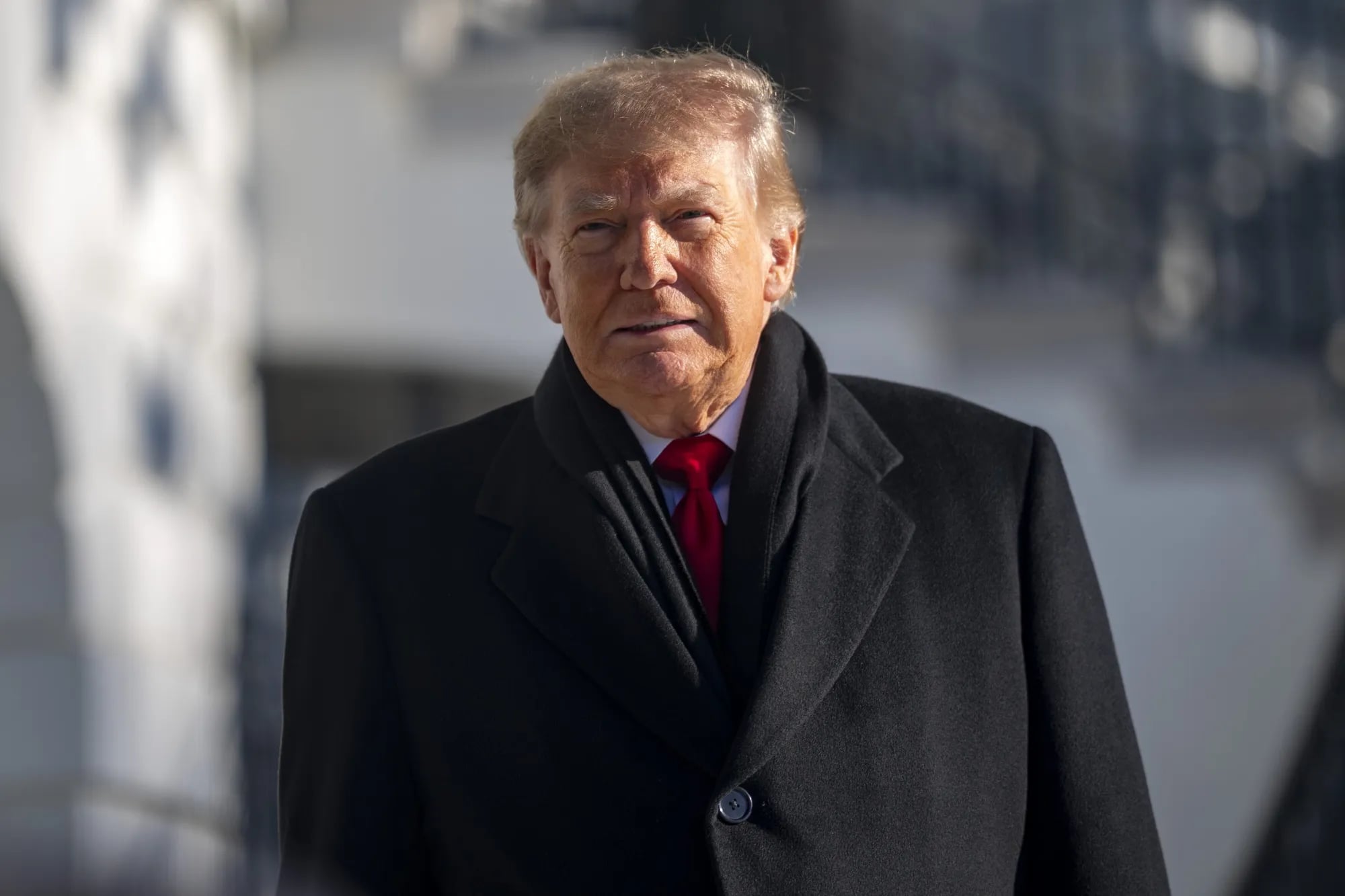
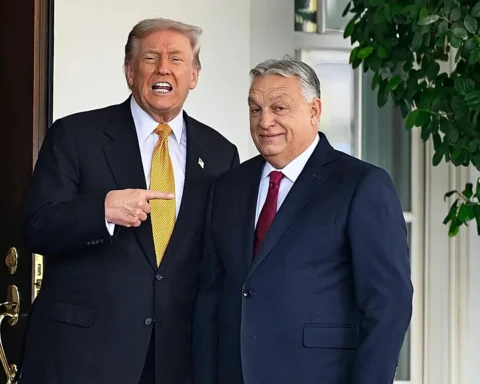
President Donald Trump’s administration has launched a sudden and sweeping push to end Russia’s war in Ukraine, presenting European allies with a set of proposals that has left them scrambling for influence and trying to avoid being sidelined.
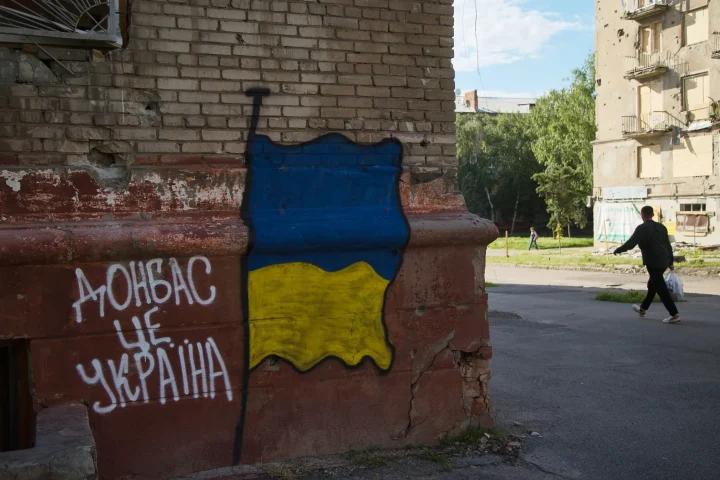
According to people familiar with the negotiations, US envoys are pressing Russian and Ukrainian officials to consider new arrangements on NATO rules, military assets and troop placements across Europe. The most striking idea floated so far is a possible trade in which Ukraine would cede its Donbas region to Russia in exchange for membership in the NATO military alliance.
Europe caught off guard
The speed and breadth of the American initiative have put European governments in a difficult position. For more than two and a half years, European capitals have framed the conflict as a test of the continent’s security order and have pledged sustained support for Kyiv. Now they face the prospect of a deal shaped largely in Washington and Moscow, with limited European input.
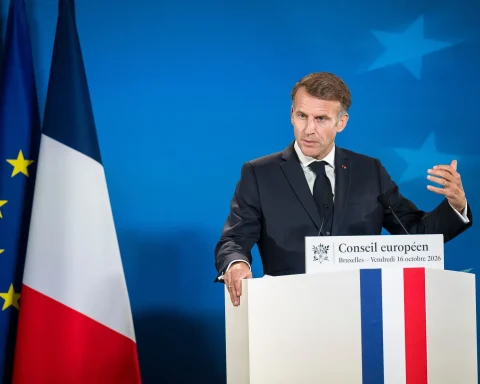
Leaders in Berlin, Paris, London and Brussels have spent recent days holding urgent calls and meetings to coordinate a response. Their challenge is to preserve Ukraine’s sovereignty and territorial integrity without openly opposing a US president whose support they still need on defence spending, trade and broader transatlantic relations.
What the US is proposing
The proposals under discussion include changes to NATO’s posture in Eastern Europe, the status of Western military assets inside Ukraine, and the long-term placement of troops. Asking Kyiv to consider giving up Donbas in return for NATO membership would mark a dramatic reversal from earlier US positions that had ruled out Ukrainian membership while the war continued.
The idea carries obvious risks. Russia has insisted that Ukraine must stay outside NATO, and Moscow is unlikely to accept Ukrainian membership as part of any settlement. At the same time, Ukrainian leaders have repeatedly said they will not surrender territory in exchange for security promises they do not trust.
Why Europe matters
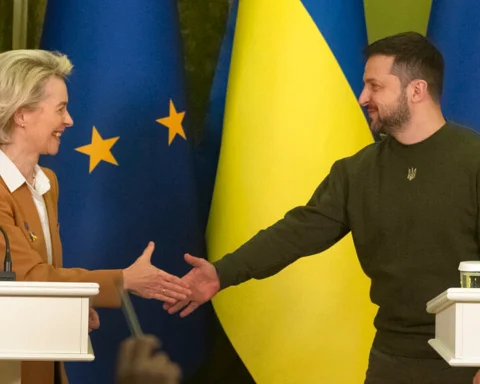
Even if the US drives the negotiations, Europe has a direct stake in the outcome. The continent's security architecture, energy supplies, and economic stability are all tied to how the war ends. European governments also provide a large share of the military and financial aid that keeps Ukraine's war effort going.
Yet Trump's team has shown little patience for the formal multilateral formats that European leaders prefer. That has forced the continent to lobby through bilateral channels while trying to keep a united public front.
The wider stakes
The episode highlights a deeper uncertainty about the transatlantic alliance under a second Trump presidency. European officials have long warned that the US could eventually shift its focus away from the continent. A Ukraine settlement negotiated over European objections would be a stark confirmation of that fear.
For now, European leaders are walking a tightrope: they want to shape any agreement, maintain solidarity with Ukraine, and avoid a public rupture with Washington. The coming weeks will show whether that balance is sustainable.