 Staff Report

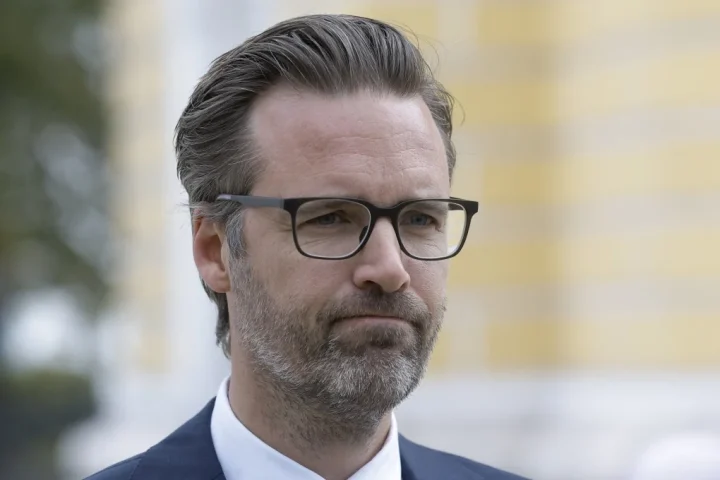
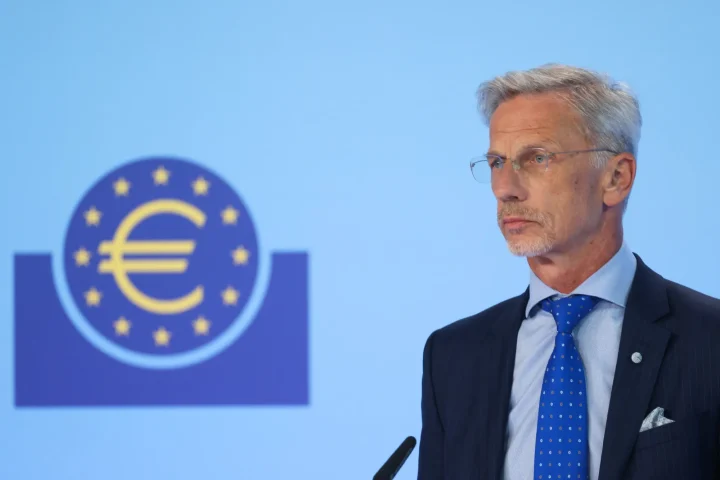
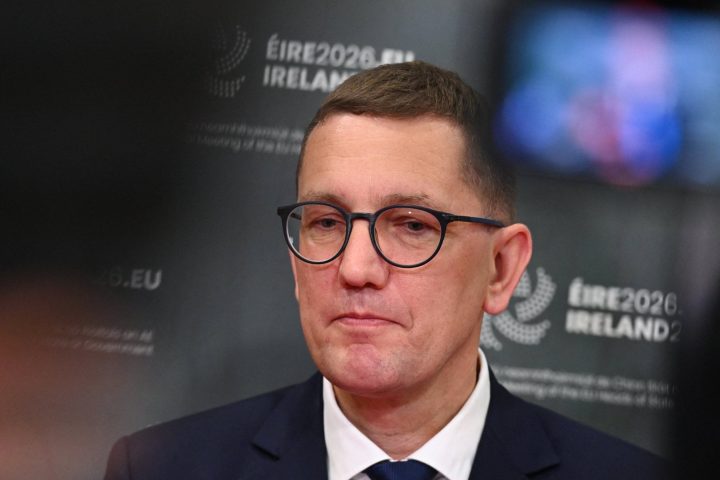
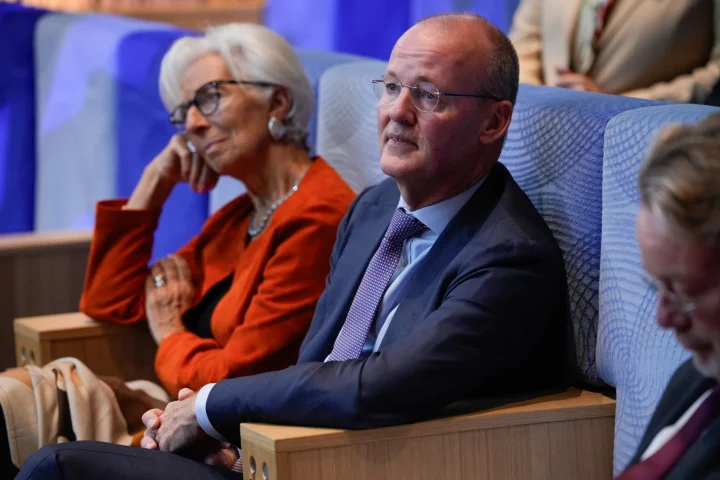
Two senior European Central Bank officials have signaled that interest rates may need to rise again, reinforcing market expectations of a December hike. In a joint interview with the Austrian newspaper Kurier, ECB Vice President Boris Vujcic and Governing Council member Martin Kocher said monetary policy will likely have to be tightened further.
“Based on the current situation, I think market expectations will likely prove accurate, provided nothing unexpected happens in the meantime,” Vujcic told Kurier, referring to trader bets on a December rate increase.
Markets price in more tightening
Investors have been adjusting their forecasts as euro-zone inflation remains above the ECB’s 2% target and the economy proves more resilient than expected. Money markets have been pricing in additional rate increases, and the comments from Vujcic and Kocher suggest policymakers are not ready to declare victory over inflation.
Kocher, who is also governor of Austria’s central bank, warned that the fight against inflation is not over. He emphasized that the ECB must remain vigilant and avoid easing policy too soon, which could allow price pressures to re-emerge.
Policy split on the council
The remarks come amid a lively debate inside the Governing Council. Some members have argued that rate increases already delivered are sufficient to bring inflation back to target, while others worry that wages, services prices, and stronger-than-expected growth could keep inflation elevated for longer.
The hawkish tone from two influential council members adds weight to the view that the ECB is prepared to keep tightening, even as growth in major economies such as Germany and France shows signs of slowing. The euro has strengthened recently as markets price in higher rates for longer.
What to watch in December
The ECB's next policy meeting in December will be closely watched for any fresh guidance. Officials will have updated staff projections for inflation and growth, which could determine whether the central bank hikes again or holds rates steady while keeping the door open for future moves.
For now, Vujcic and Kocher have made clear that they do not see the current level of borrowing costs as the end of the tightening cycle. Their comments are likely to keep pressure on other council members to explain why they would oppose further action if the data continue to support it.