Staff Report
A growing sense of buyer’s remorse is sweeping through the corridors of Brussels as prominent lawmakers begin to publicly distance themselves from recent economic pacts established with the United States. What was once hailed as a necessary alliance to stabilize global markets is now being re-evaluated through a lens of economic protectionism and strategic autonomy. Leading voices within the European Parliament are suggesting that the concessions made to secure the deal have disproportionately favored American industry at the expense of European manufacturers.
The shift in rhetoric comes at a sensitive time for transatlantic relations. For decades, the partnership between these two economic powerhouses has been the bedrock of international commerce. However, the emergence of aggressive industrial subsidies in the U.S. has left many European officials feeling sidelined. Critics argue that the current framework prevents the European Union from effectively protecting its own green energy sectors and automotive industries, essentially forcing them to compete on an uneven playing field.
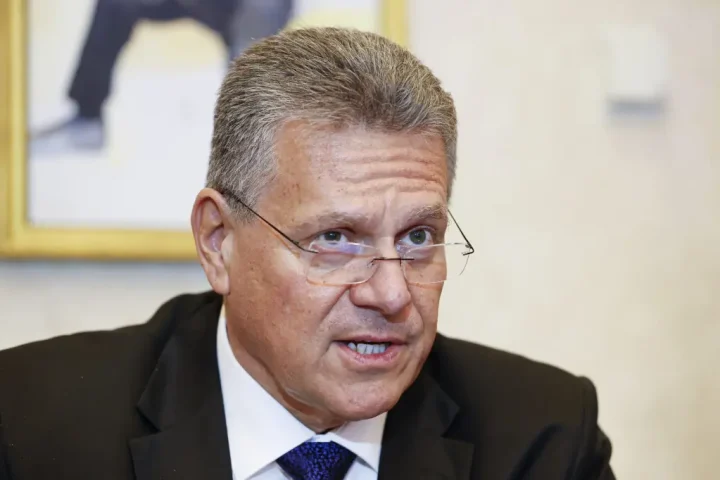
One influential member of the European Parliament recently voiced these frustrations during a closed-door session, suggesting that the initial enthusiasm for the partnership was misplaced. The lawmaker noted that while the deal promised a streamlined flow of goods and services, the reality has been far more restrictive. Instead of fostering a collaborative environment, the agreement has reportedly acted as a bottleneck for European innovation, as companies find themselves entangled in regulatory requirements that seem designed to bolster American market dominance.
Economic analysts point to several specific clauses that have become points of contention. Chief among these is the treatment of emerging technologies and digital services. European regulators have long sought to implement stricter data privacy and antitrust measures, but some lawmakers believe the current trade deal effectively muzzles Brussels’ ability to enforce these standards against major American tech firms. This perceived loss of sovereignty is fueling a movement to either renegotiate the terms or significantly pivot toward more independent trade policies.
The timing of these complaints is not accidental. As the global economy faces inflationary pressures and supply chain disruptions, the internal pressure on European politicians to deliver tangible results for their domestic constituents has intensified. When the benefits of a major trade deal fail to materialize for the average worker or small business owner, the political cost of supporting that deal becomes unsustainable. This has led to a sharper, more confrontational tone from officials who were previously considered stalwarts of the transatlantic alliance.
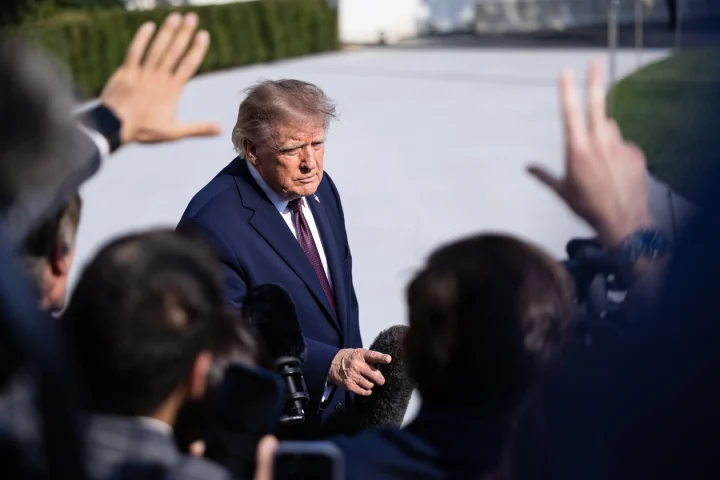
Washington has yet to issue a comprehensive response to these rising criticisms, but the tension is palpable. American trade representatives have historically maintained that their agreements are designed to be mutually beneficial, focusing on high standards for labor and the environment. Nevertheless, the perception in Brussels is increasingly one of a lopsided relationship. The argument that the European Union should have never entered the agreement in its current form is gaining traction among both populist and centrist factions within the parliament.
Looking ahead, the future of this economic partnership remains uncertain. If the European Union decides to take a more aggressive stance, it could lead to a series of retaliatory measures that might destabilize global trade further. However, many in Brussels feel that the risk of inaction is even higher. They argue that without a fundamental shift in how Europe interacts with the American market, the continent risks becoming a secondary economic power, relegated to the role of a consumer rather than a creator.
As the debate continues, the focus will likely shift toward finding a middle ground that allows for cooperation without sacrifice. Whether that involves a formal renegotiation of the treaty or a series of supplemental agreements remains to be seen. What is clear, however, is that the era of unquestioned transatlantic economic alignment is facing its most significant challenge in recent memory. The calls for a more assertive European trade policy are no longer just whispers; they are becoming the dominant narrative in the halls of power.