Staff Report
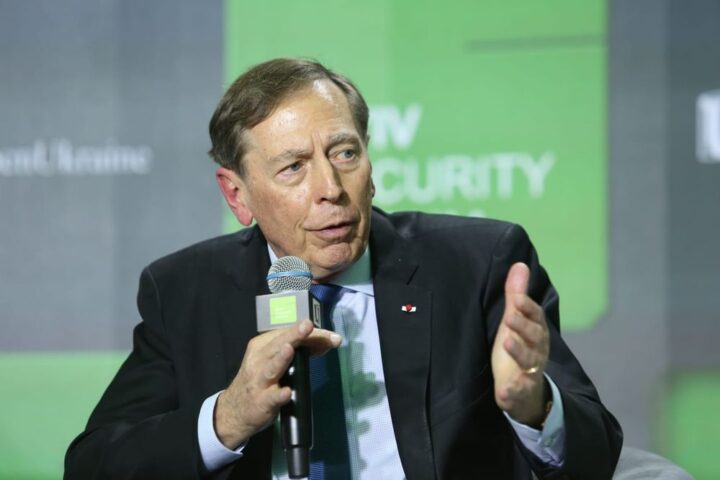
The geopolitical landscape of the Middle East is facing a potential paradigm shift as former CIA Director and retired General David Petraeus suggests that European nations might find themselves directly involved in a military confrontation with Iran. This assessment comes at a time of heightened regional tensions and a breakdown in long-standing diplomatic frameworks that previously managed nuclear ambitions in the region. Petraeus, who commanded coalition forces in both Iraq and Afghanistan, argues that the strategic interests of the West are becoming increasingly inseparable from the security dynamics of the Persian Gulf.
For decades, European powers have largely preferred a policy of engagement and economic diplomacy when dealing with Tehran. However, the shifting nature of global security threats and the deepening military alliance between Iran and Russia have begun to alter the calculus in Brussels, London, and Paris. Petraeus points out that if the situation escalates to a full-scale kinetic conflict, the necessity of maintaining international shipping lanes and preventing nuclear proliferation would likely compel European participation alongside the United States. This marks a significant departure from the historical European hesitation to engage in new Middle Eastern theater operations.
The logistical and political implications of such a move would be staggered. Many European militaries are currently focused on the defense of NATO’s eastern flank in response to the war in Ukraine. Introducing a second major strategic priority in the Middle East would strain resources and test the political resolve of domestic populations. Yet, Petraeus suggests that the ‘certainty of possibility’ regarding European involvement stems from the fact that a destabilized Iran poses a direct threat to European energy security and internal stability through potential migration surges and regional spillover.
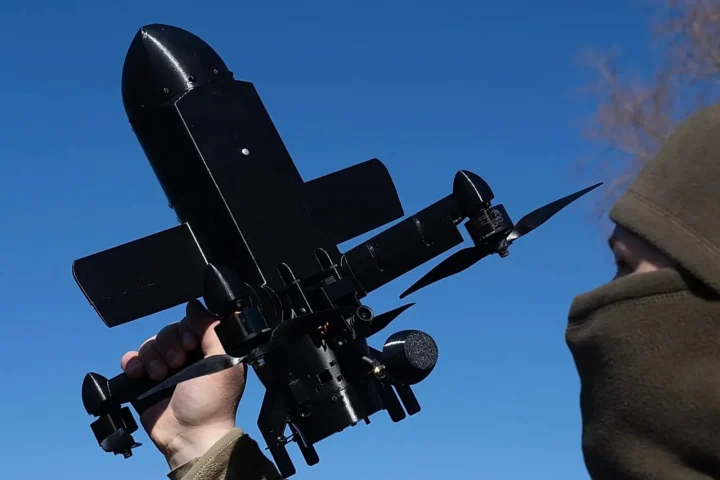
Furthermore, the technological cooperation between Iran and adversarial powers has raised the stakes for the European Union. The proliferation of Iranian drone technology on European soil via the Ukrainian conflict has already hardened the stance of many EU member states. This shared threat perception is creating a more unified transatlantic front than has been seen in years. While the preference remains for a diplomatic resolution, the military infrastructure and contingency planning are increasingly reflecting a more muscular approach toward Iranian regional influence.
Critics of this perspective argue that Europe lacks the independent expeditionary capability to sustain a conflict with a sophisticated adversary like Iran without total reliance on American logistics. There are also significant concerns regarding the legal and parliamentary hurdles within individual European nations that would need to be cleared before deploying combat troops. Nevertheless, the warns from a strategist of Petraeus’s caliber indicate that the era of European detachment from Middle Eastern security crises may be reaching its end. As the shadow of conflict looms, the debate in European capitals is shifting from ‘if’ they should be involved to ‘how’ they will respond when the red lines are crossed.