Staff Report
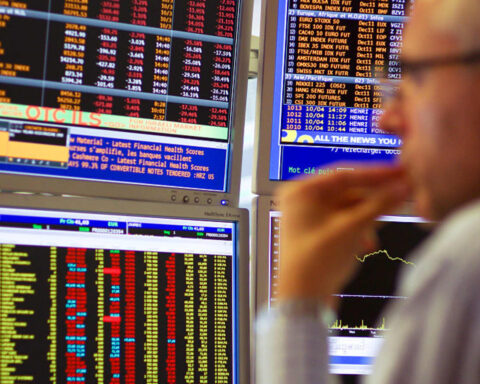
European energy markets faced a significant shock this week as natural gas prices spiked following a sudden halt in production from Qatar, one of the world’s most critical suppliers of liquefied natural gas (LNG). The disruption sent immediate ripples through the Dutch Title Transfer Facility, which serves as the primary benchmark for European gas trading. Within hours of the announcement, prices escalated by nearly half their previous value, renewing fears of a winter energy crisis across the continent.
Industry analysts point to the fragility of the current supply chain as the primary reason for such a volatile market reaction. Since the reduction of pipeline gas from Russia, the European Union has become heavily reliant on global LNG shipments to heat homes and power industrial manufacturing. Qatar, alongside the United States, has been a cornerstone of this strategy. Any interruption from the Persian Gulf state is viewed not just as a logistical inconvenience, but as a potential threat to national energy security for several European nations.
Details regarding the production stoppage remain limited, but sources within the Qatari energy sector suggest that technical issues at major liquefaction terminals necessitated an emergency shutdown. While maintenance is common in the industry, the scale and timing of this particular outage have caught traders off guard. European storage levels, which were comfortably high entering the season, are now being viewed with a more cautious eye as the duration of the Qatari outage remains uncertain.
Government officials in Berlin and Paris are reportedly monitoring the situation closely to determine if emergency protocols are required. The sharp increase in wholesale prices often takes several months to reach domestic consumers, but industrial players feel the impact almost immediately. Manufacturers of glass, chemicals, and steel, who rely on affordable gas to maintain competitive operations, are expressing concern that a prolonged price hike could force temporary factory closures or production slowdowns.
The timing of the surge is particularly sensitive as the global economy continues to grapple with inflationary pressures. Higher energy costs act as a tax on both businesses and households, siphoning away capital that would otherwise drive growth. If Qatar cannot restore production levels within the next few weeks, Europe may be forced to compete more aggressively with Asian markets for available spot-market cargoes, a bidding war that would likely drive prices even higher.
Energy experts suggest that this incident highlights the inherent risks of Europe’s transition away from stable pipeline imports toward a more fragmented and transport-dependent LNG model. While LNG offers flexibility, it also exposes the region to geopolitical and technical risks occurring thousands of miles away. Diversification has protected the continent from total outages, but it has clearly not insulated it from extreme price volatility.
For now, the market remains in a state of high alert. Traders are looking for any sign of a restart in the Qatari fields, while European utility companies are scouring the globe for alternative supplies to bridge the gap. The coming days will be crucial in determining whether this is a temporary market blip or the beginning of a sustained period of expensive energy that could redefine the European economic outlook for the remainder of the year.