Staff Report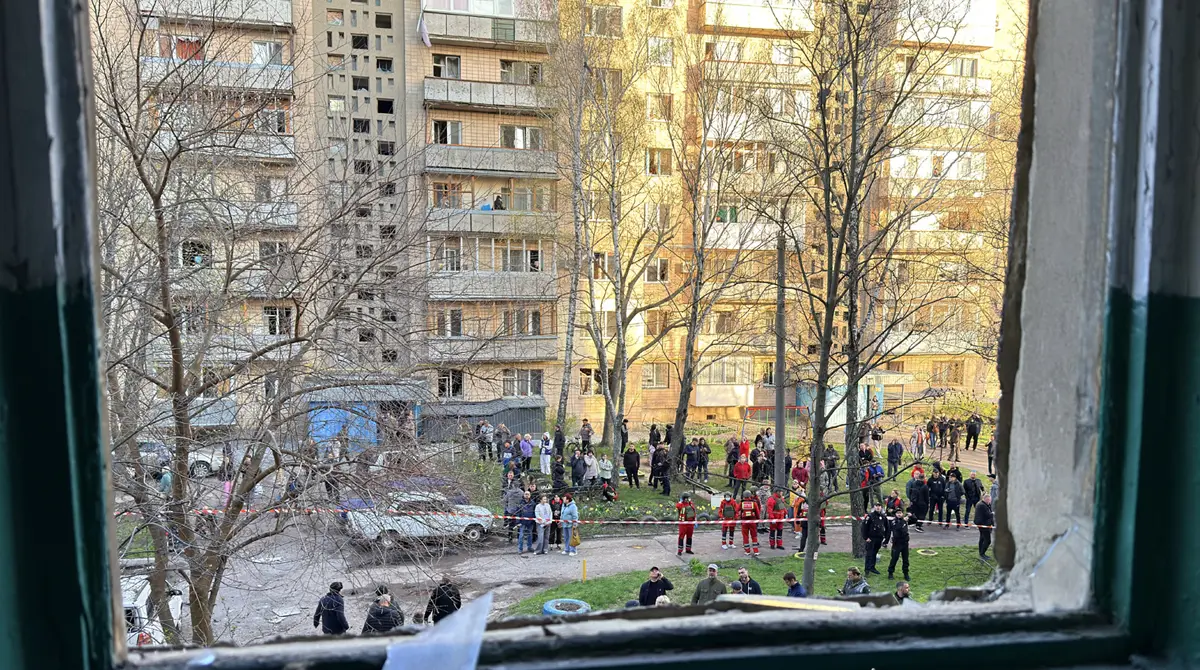
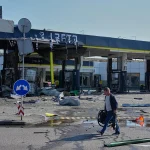
The past 24 hours have seen a significant escalation in Russian military actions across Ukraine, resulting in the deaths of seven individuals and injuries to over 67 others. These widespread attacks, which reportedly involved more than 130 attack drones and eight missiles, underscore the persistent volatility affecting multiple regions. Ukrainian President Volodymyr Zelenskyy confirmed that areas such as Odesa, Sumy, Zaporizhzhia, Kharkiv, Kherson, Donetsk, and Dnipro bore the brunt of these assaults, highlighting the broad geographical scope of the conflict.
Ukrainian air defense systems were engaged throughout the night and into Friday morning, successfully intercepting five missiles and 115 unmanned aerial vehicles (UAVs) launched towards the country’s northern, southern, and eastern territories. Despite these defensive efforts, the attacks led to power outages in several regions, including Odesa, Zaporizhzhia, Dnipropetrovsk, Kharkiv, and Sumy, according to Ukrenergy, Ukraine’s state electricity grid operator. Simultaneously, the Russian Defence Ministry stated its forces had downed 243 Ukrainian drones during the same period, indicating a reciprocal increase in aerial activity.
These intensified strikes unfold against a backdrop of considerable political shifts within Kyiv. President Zelenskyy recently initiated a government reshuffle, notably appointing Sergii Koretskyi, the former head of the state gas operator Naftogaz, as the new prime minister. This change in leadership, however, has been largely overshadowed by the controversial removal of Mykhailo Fedorov, the former defense minister. Reports suggest this particular decision has created a degree of unease within the country’s military leadership, raising questions about the stability of the defense apparatus during a critical period of conflict.
The public response to Fedorov’s removal has been immediate and vocal. Protests have erupted in Kyiv and other major cities, with demonstrators expressing their disapproval through signs bearing messages such as “Don’t mess with what works,” “Hands off Fedorov,” and “Bring Fedorov back.” Another frequently seen placard, “Power still belongs to the people,” reflects a broader sentiment among some segments of the population regarding governmental accountability and decision-making during wartime. These public demonstrations signal a potential challenge to the government’s authority and could complicate efforts to maintain national unity as external pressures mount.
The convergence of heightened military aggression and internal political dissent presents a complex scenario for Ukraine. The immediate humanitarian cost of the strikes is evident in the casualties and infrastructure damage, particularly the disruptions to essential services like electricity. Meanwhile, the political maneuvers in Kyiv, especially the contentious dismissal of a key defense official, risk diverting attention and resources at a time when consolidated leadership and public confidence are paramount. How the newly appointed government navigates both the escalating external threat and internal political divisions will be a critical determinant in the coming weeks. The ripple effects of these developments could shape not only Ukraine’s immediate response to aggression but also its long-term stability and resilience.