Staff Report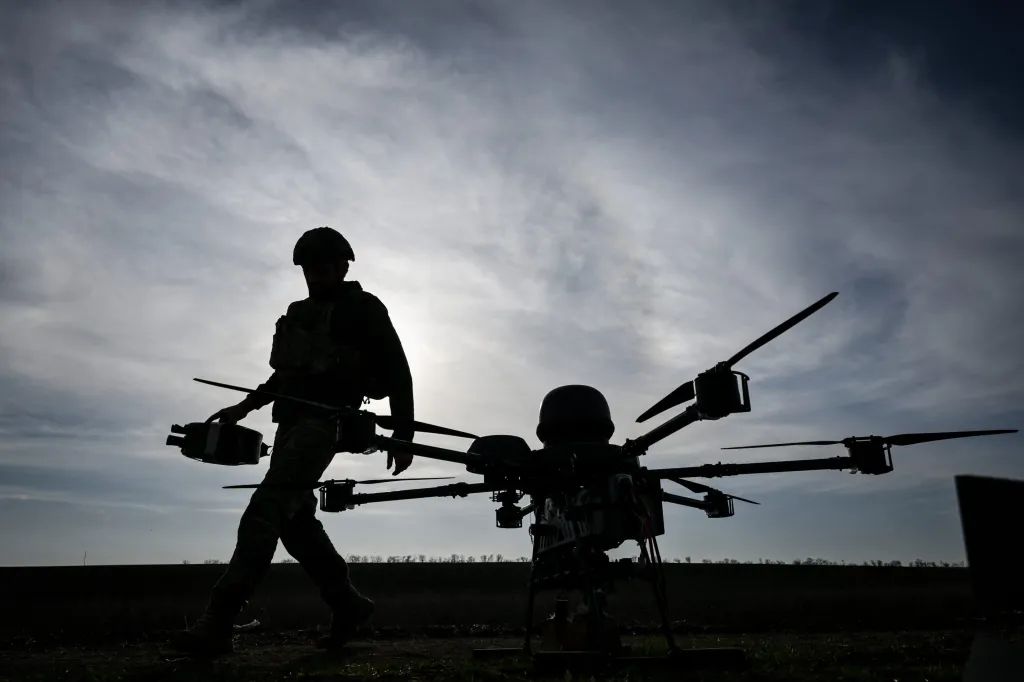
The battlefields of Ukraine and the Middle East, once distinct in their geopolitical implications, are increasingly demonstrating points of convergence. This evolving dynamic suggests a broadening of conflict parameters, even as experts maintain a distinction from a full-scale global war. The intertwining of these regional struggles is evident in shifting alliances and the transfer of military technology, creating a complex web of interconnected hostilities.
One significant development highlighting this merger involves Ukraine’s recent security agreements with Gulf nations. Ukrainian President Volodymyr Zelenskyy has visited Saudi Arabia, the United Arab Emirates, and Qatar, securing commitments for shared expertise in defense against Iranian-designed drones. This initiative leverages Kyiv’s experience in countering these uncrewed aerial vehicles, which have been a staple of Russian aggression. These Gulf states have themselves faced a barrage of Iranian missile and drone attacks, often overwhelming existing U.S. air defense systems in the region. The exchange of defensive knowledge underscores a shared vulnerability and a strategic alignment against common threats.
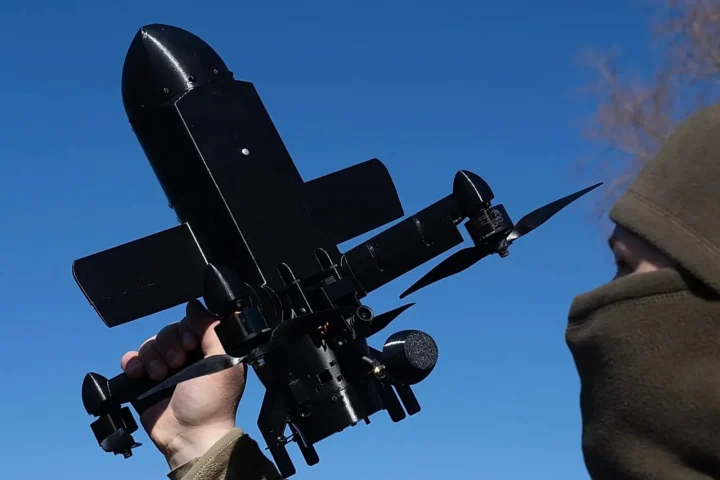
Concurrently, Russia’s role in the Middle East conflict appears to be expanding. Reports indicate Moscow is supplying Tehran with enhanced versions of Iran’s Shahed drones. These upgrades reportedly include decoys designed to evade air defenses, jet engines, advanced anti-jammers, new radio links, and AI computing platforms. Notably, some of these improved drones incorporate Starlink capabilities, which are no longer effective in Ukrainian airspace. This transfer of sophisticated military hardware deepens Russia’s involvement and follows earlier Western intelligence assessments suggesting Moscow provided targeting data on U.S. assets to Iran. The Caspian Sea port of Bandar Anzali has reportedly become a key conduit for these arms deliveries, prompting a response.
Israel recently targeted Iranian naval assets and infrastructure at Bandar Anzali, including warships, a port facility, a command center, and a shipyard. This action, reported by the Wall Street Journal, indicates a direct response to the flow of Russian military aid to Iran. However, Russia retains alternative supply routes, with sources suggesting that convoys, ostensibly carrying humanitarian aid via Azerbaijan, could also be transporting drones. This complex interplay of actions and reactions illustrates the ripple effect across conflict zones.
The deepening Russian-Iranian military partnership stands in contrast to the West’s support for Ukraine. The United States and NATO allies have provided significant military aid and intelligence to Kyiv. However, concerns have emerged regarding the long-term sustainability of these supplies, particularly given reports of dwindling U.S. and Israeli munition stockpiles. This potential reduction in aid to Ukraine could have significant implications for the ongoing conflict there.
Despite these converging battlefields, political scientist William Spaniel of the University of Pittsburgh suggests that the world has not yet reached the threshold of a true global conflict. He points out that no single actor is currently fighting on two fronts simultaneously, a characteristic of previous world wars. However, he emphasizes that the outcomes on these disparate battlefields are becoming increasingly intertwined, suggesting longer-term implications for global divisions and alliances. European leaders, while generally reluctant to directly engage in the Middle East conflict, acknowledge the interconnectedness. European Union foreign policy chief Kaja Kallas articulated this view, stating that assistance for Ukraine can indirectly help de-escalate tensions in the Middle East by pressuring Russia to cease its support for Iran.
Nevertheless, European nations are largely permitting the U.S. military to utilize their bases for operations against Iran. Discussions are also underway among European defense officials regarding potential escorts for tankers through the Strait of Hormuz once the conflict stabilizes. NATO Secretary General Mark Rutte has publicly supported the U.S. posture towards Iran, highlighting the existential threat a nuclear-armed Iran would pose to Israel, the broader region, and Europe. His stance indicates a growing understanding within the alliance of the far-reaching implications of the Middle East situation.