Staff Report
As the conflict in Eastern Europe reaches a critical four-year milestone, Ukrainian President Volodymyr Zelenskyy has issued a defiant message regarding the current state of the geopolitical struggle. In a comprehensive address aimed at both his domestic audience and international allies, the Ukrainian leader asserted that despite the immense pressure exerted by the Kremlin, the Russian military has failed to secure the decisive triumph it sought at the outset of the invasion.
The President’s remarks come at a time of significant transition for the Ukrainian defense strategy. Zelenskyy emphasized that the resilience of the Ukrainian people has fundamentally altered the calculus of the war, forcing Moscow into a prolonged war of attrition rather than the swift regime change originally envisioned by Russian planners. He argued that the mere existence of a sovereign Ukrainian government and the continued operation of its institutional framework serve as concrete evidence of a strategic failure for the Russian Federation.
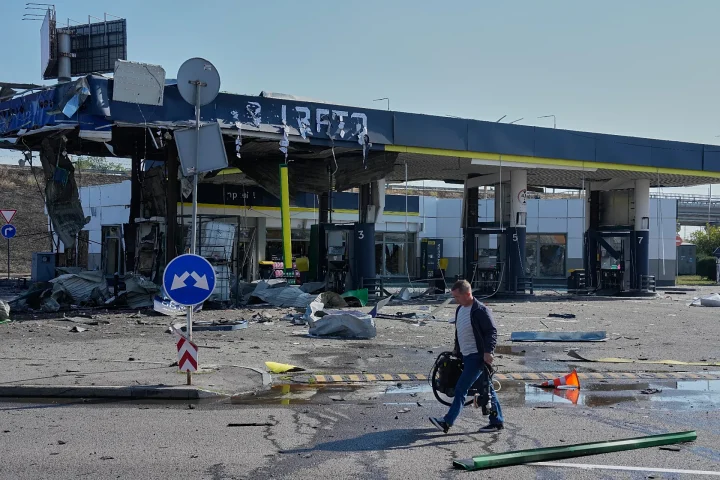
Throughout the discourse, Zelenskyy touched upon the evolving nature of modern warfare, noting that victory is not solely measured by territorial increments but by the preservation of national identity and political autonomy. He acknowledged the severe hardships endured by the population, including the destruction of critical infrastructure and the displacement of millions, yet he maintained that the objective of total subjugation remains out of reach for Vladimir Putin. This perspective seeks to bolster morale within the ranks of the Ukrainian Armed Forces as they face ongoing challenges on the front lines.
International observers have noted that this rhetoric is designed to reinforce the necessity of continued Western support. By framing the current situation as a failure for the aggressor, Zelenskyy is making a calculated play for further military and financial aid from the United States and European partners. He suggested that the global democratic order has a vested interest in ensuring that the Russian leadership’s inability to win is transformed into a permanent strategic defeat. The Ukrainian leader pointed to the strengthening of NATO and the increased unity of the European Union as unintended consequences of the Kremlin’s actions.
Internal dynamics within Russia were also a point of focus. Zelenskyy suggested that the prolonged nature of the conflict is creating unforeseen pressures on the Russian economy and social fabric. While the Kremlin continues to project an image of stability and strength, the Ukrainian presidency maintains that the lack of a clear victory after four years of intensive fighting is beginning to erode the narrative of invincibility that the Russian state has cultivated for decades.
Looking toward the future, the President outlined a vision for a restorative peace that does not compromise on sovereignty. He dismissed the idea of a frozen conflict, which he believes would only provide a temporary reprieve for Russian forces to regroup and rearm. Instead, he called for a diplomatic solution backed by ironclad security guarantees that acknowledge Ukraine’s rightful place within the European community. The goal, according to the administration, is to ensure that the costs of the war become unsustainable for the Russian state, eventually leading to a withdrawal.
As the world watches the unfolding situation, Zelenskyy’s latest pronouncement serves as a reminder of the high stakes involved. The conflict has moved far beyond a regional dispute, becoming a defining moment for international law and the sanctity of national borders. By declaring that the Russian leader has not won, Zelenskyy is not just offering a status report on the battlefield; he is asserting a historical claim that the spirit of independence remains the most formidable obstacle to imperial ambition.