Staff Report
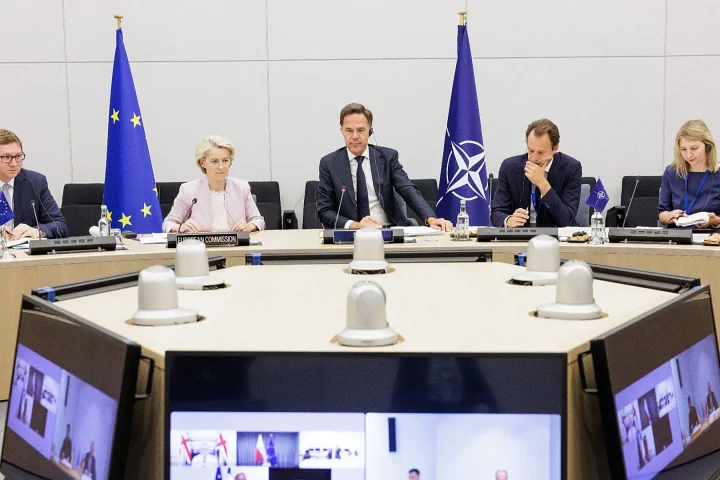
This week, Europe found itself navigating a complex geopolitical landscape, marked by evolving international relationships and persistent economic pressures. The continent’s attention was sharply divided between the ongoing diplomatic maneuvers surrounding the war in Ukraine and the looming specter of inflation and potential recession impacting households and businesses alike. Leaders across the European Union and beyond engaged in a flurry of high-level discussions, seeking to present a united front on security matters while simultaneously wrestling with the domestic consequences of global instability.
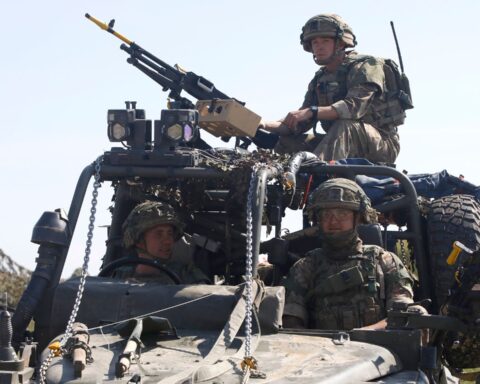
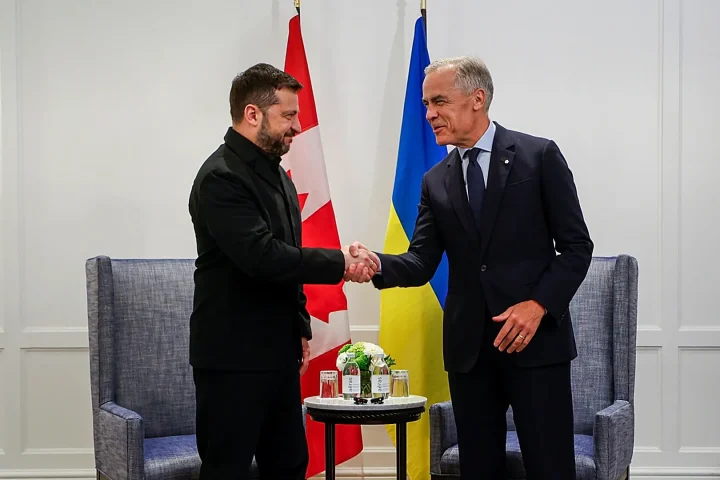
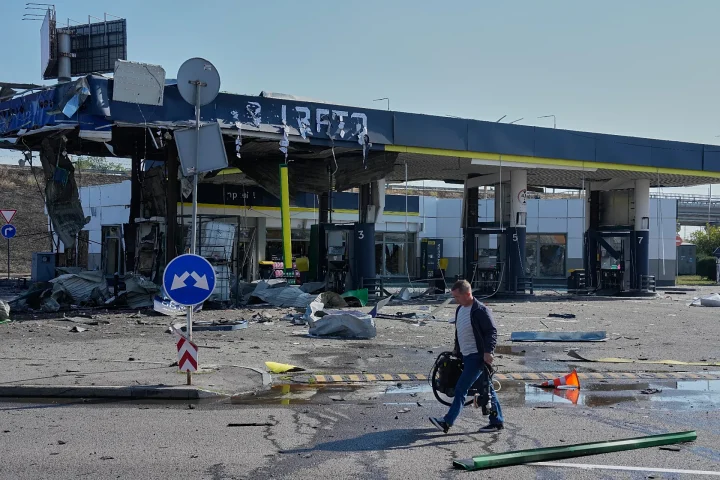
A significant development emerged from the Eastern flank of the continent, where discussions intensified regarding further military and financial aid to Ukraine. While the specifics of new aid packages remained under wraps pending official announcements, sources close to defense ministries indicated a renewed commitment from several key EU nations to bolster Ukraine’s capabilities. This comes at a critical juncture, as reports from the front lines suggest a protracted conflict with neither side achieving a decisive breakthrough. The implications of sustained support, both in terms of financial burden and the potential for escalation, continue to be a subject of intense debate within national capitals. Simultaneously, diplomatic efforts, though often overshadowed by the military realities, persisted, with various European leaders engaging in back-channel communications with Moscow and Kyiv, aiming to identify any potential pathways toward de-escalation or negotiation, however distant they may seem.
On the economic front, the specter of inflation remained a dominant concern. While some indicators suggested a slight easing in certain sectors, the cost of energy and everyday goods continued to exert pressure on consumers. Central banks across the Eurozone are walking a tightrope, attempting to curb inflation through interest rate hikes without triggering a significant economic downturn. The impact is palpable, with households reporting increased difficulty in meeting essential expenses and businesses facing higher operating costs. This economic strain is fueling public discontent in several countries, leading to protests and calls for more robust government intervention. The upcoming months will be crucial in determining whether these measures can stabilize the economy or if a more severe recession is on the horizon.
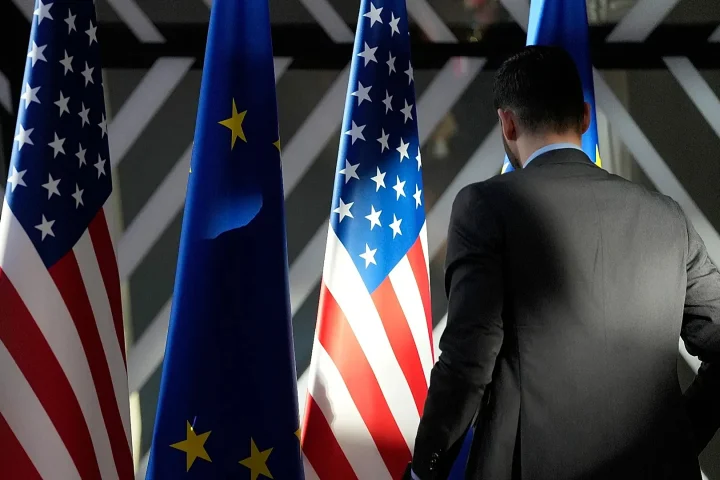
Beyond these immediate concerns, Europe also witnessed subtle yet significant shifts in its broader strategic relationships. Discussions around the future of the European Union’s engagement with China, for instance, continued to evolve, with member states grappling with balancing economic interdependence with concerns over human rights and geopolitical ambitions. Similarly, the ongoing dialogue with the United States regarding transatlantic security cooperation and trade policies underscored the enduring importance of this alliance, even as differing perspectives on certain global challenges occasionally surfaced. These intricate diplomatic dances, often conducted away from the public spotlight, are shaping the continent’s long-term trajectory and its role on the global stage.
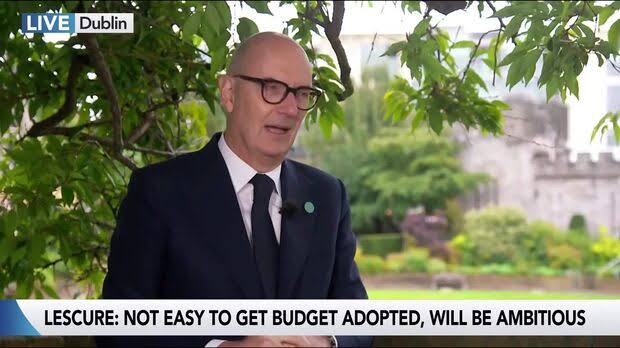
The internal dynamics within the EU also presented a complex picture. Debates over fiscal policy, immigration, and the future of the green transition continued to animate political discourse. While the bloc has largely maintained a unified stance on the war in Ukraine, internal disagreements on how to best manage the economic fallout and address the energy crisis have become more pronounced. The upcoming legislative sessions in Brussels are expected to be particularly challenging as member states attempt to reconcile divergent national interests with the overarching goals of European integration. The resilience of the EU project, often tested by internal divisions, will be closely watched in the coming weeks and months.
Moreover, a series of significant cultural and social events unfolded across the continent, offering a glimpse into the vibrant tapestry of European life. From major art exhibitions in Paris to music festivals in Berlin and sporting events drawing crowds from across nations, these moments of shared experience provided a vital counterpoint to the prevailing geopolitical and economic anxieties. They serve as a reminder of the enduring cultural richness and societal connections that bind European peoples, even in times of uncertainty. The interplay of these diverse narratives – political, economic, and cultural – paints a multifaceted picture of Europe’s current state, a continent at once confronting formidable challenges and demonstrating remarkable resilience.