Staff Report
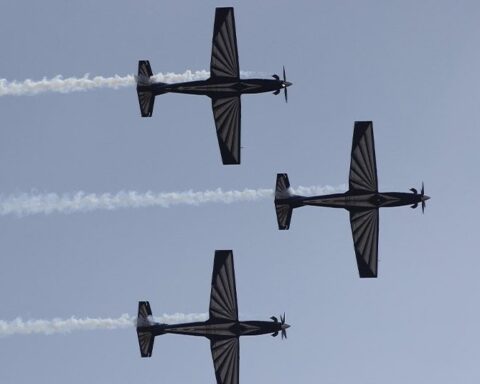
The British Ministry of Defence has confirmed a significant expansion of its overseas military footprint through the strategic deployment of additional air assets to the Middle East and the Mediterranean. This move involves the dispatch of Typhoon fighter jets to Qatar and specialized helicopter units to Cyprus, marking a notable shift in the UK’s regional security posture. The decision reflects a deepening of bilateral defense ties and a commitment to maintaining stability in volatile regions that remain critical to international trade and security.
In Qatar, the additional RAF Typhoon jets will join existing squadrons to bolster joint operations and enhance the defensive capabilities of the Gulf nation. This deployment is part of a long-standing partnership that saw British and Qatari pilots flying together during the recent World Cup to ensure airspace security. By increasing the number of airframes stationed in Doha, the UK is signaling its intent to remain a primary security partner in the Gulf, providing a deterrent against regional threats while facilitating high-level training exercises between the two nations.
Simultaneously, the deployment of helicopters to Cyprus serves a different but equally vital strategic purpose. The British sovereign base areas on the island have long acted as a bridgehead for operations across the Levant and North Africa. The arrival of these additional rotary-wing assets is expected to enhance search and rescue capabilities, support humanitarian logistics, and provide rapid response options for British forces stationed in the Eastern Mediterranean. As tensions in surrounding maritime corridors fluctuate, having a versatile fleet of helicopters in Cyprus allows the UK to project influence and provide support to allies with greater agility.
Defense analysts suggest that these movements are not merely routine rotations but are indicative of a broader British foreign policy objective. Since the conclusion of the Integrated Review, the UK has sought to demonstrate that it remains a ‘Global Britain’ with the reach and resources to influence outcomes far beyond its own shores. By positioning high-end kinetic assets like the Typhoon in the Gulf and support assets in the Mediterranean, the Ministry of Defence is creating a layered defense network that can respond to a variety of contingencies ranging from counter-terrorism to state-level provocation.
Furthermore, the economic implications of these deployments should not be overlooked. Qatar remains one of the UK’s most significant investment partners and a major supplier of liquefied natural gas. Ensuring the security of Qatari infrastructure and airspace is directly linked to British energy security. The defense relationship acts as a foundation for broader diplomatic and commercial cooperation, often paving the way for lucrative aerospace contracts and technology sharing agreements that benefit the British defense industry.
Critics of the expansion may point to the strain on the RAF’s existing fleet, which has faced questions regarding maintenance backlogs and pilot training timelines. However, government officials maintain that these deployments are sustainable and necessary for national interest. They argue that the presence of British personnel and equipment on the ground acts as a force multiplier, fostering goodwill with local governments and providing invaluable real-world experience for aircrews.
As the geopolitical landscape continue to shift, the UK’s reliance on its network of overseas bases and partnerships becomes even more pronounced. The arrival of more Typhoons in the desert heat of Qatar and helicopters on the rocky coastlines of Cyprus underscores a commitment to proactive engagement. For the British military, these deployments represent a clear message to both allies and adversaries that the UK intends to remain a decisive actor on the global stage for the foreseeable future.