Staff Report
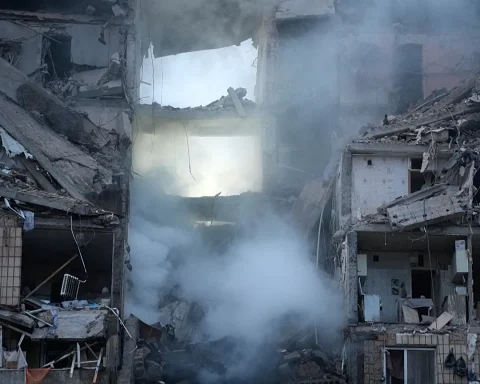
The intersection of pop culture and geopolitical aggression has sparked a fierce intellectual property debate as the creator of the global hit La Macarena publicly condemned the United States government. Rafael Ruiz, one of the primary writers behind the 1990s dance phenomenon, expressed profound disbelief and anger after learning his upbeat melody was used to score a military promotional video. The footage in question, released by official White House social media channels, depicted the strategic bombing of Iranian targets, juxtaposing high-stakes warfare with a song typically associated with weddings and festive celebrations.
Ruiz, who rose to international fame as part of the duo Los del Río, has long seen his work used in various political and commercial contexts. However, he maintains that the use of the song in a violent military display crosses a moral and ethical line that cannot be ignored. In a statement released through his legal representatives, the songwriter emphasized that the spirit of the track was intended to bring joy to the world, not to serve as a rhythmic backdrop for the destruction of life or infrastructure. The songwriter noted that no permission was sought or granted for the use of the composition in such a sensitive capacity.
Legal experts suggest that while the federal government often operates under different copyright umbrellas during national security messaging, the unauthorized synchronization of a protected musical work with video content generally requires a specific license. The White House has not yet issued a formal response to the allegations of copyright infringement or the ethical complaints raised by the Spanish musician. Sources close to the administration suggest the video was produced by a digital media team aiming for high engagement, though the decision to use a party anthem for a military strike has been labeled by critics as tone-deaf and disrespectful.
This incident highlights a growing tension between artists and political entities over the control of creative legacies. In recent years, several high-profile musicians have issued cease-and-desist orders against political figures for using their tracks at rallies. However, the use of a song to celebrate a bombing campaign represents a significantly more volatile scenario. For Ruiz, the issue is not merely about the lack of royalty payments, but rather the permanent association of his artistic legacy with an act of war. He fears that the lighthearted nature of the song is being weaponized to sanitize the reality of conflict for a domestic audience.
The international community has also weighed in on the controversy, with many noting the bizarre cultural disconnect of using a Spanish dance track to highlight American military prowess in the Middle East. Social media platforms have been flooded with commentary ranging from confusion to outrage, as users debate whether the choice of music was a deliberate psychological tactic or a catastrophic oversight by a junior video editor. Regardless of the intent, the backlash has been swift and global.
As the situation develops, the legal team for Los del Río is reportedly exploring options to have the video removed from all official platforms. This case may serve as a landmark moment for how government agencies handle intellectual property in the age of viral digital propaganda. For Rafael Ruiz, the priority remains clear: protecting the joyful essence of his most famous creation from being redirected toward a narrative of violence. He insists that while the song belongs to the world, it should never belong to the machinery of war.