Staff Report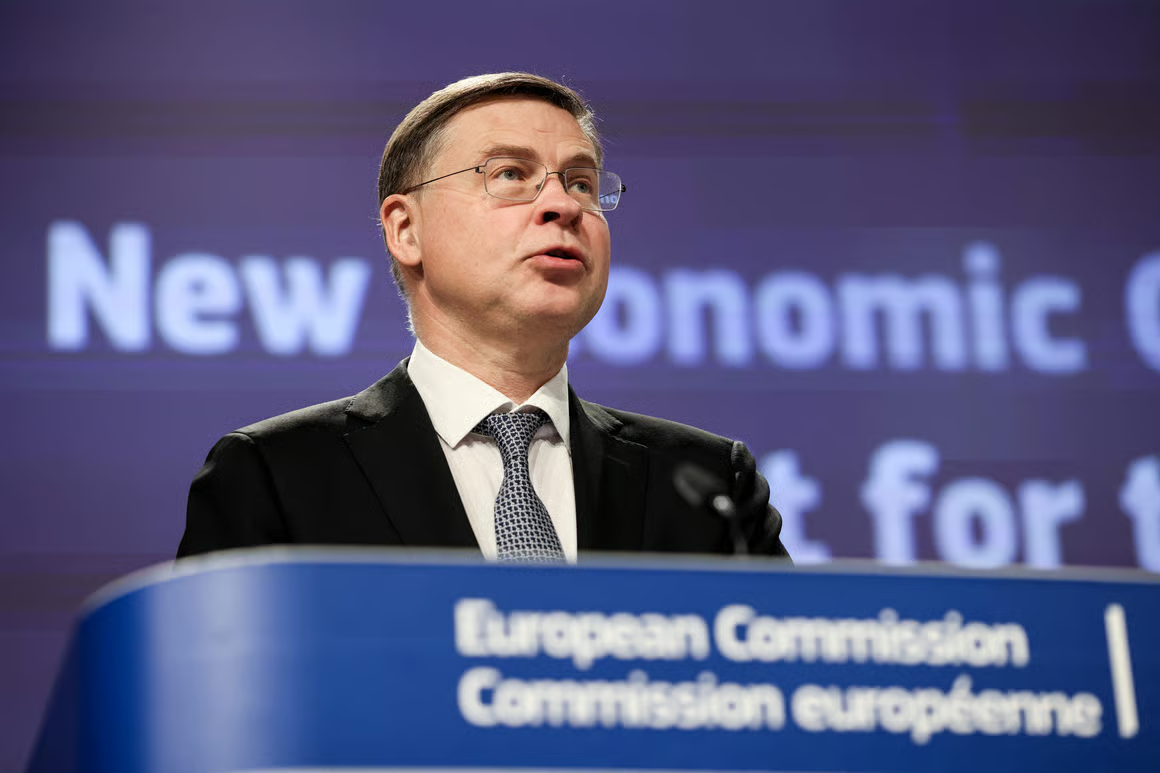
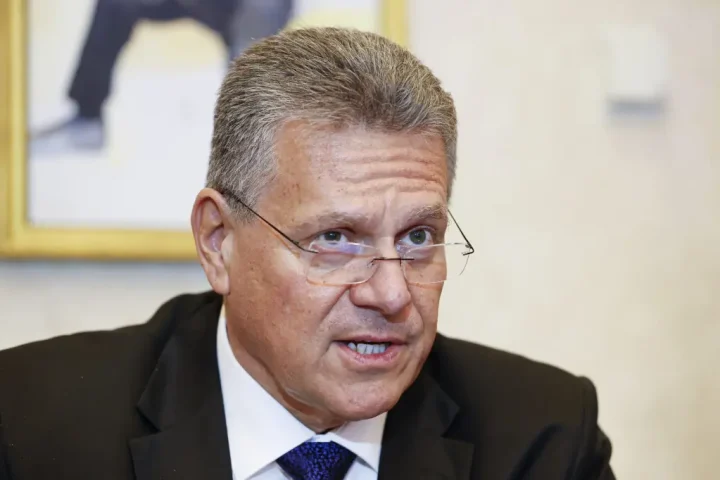
The prospect of tapping into strategic oil reserves, a measure typically reserved for severe supply disruptions, has been raised by EU Commission Executive Vice-President Valdis Dombrovskis. This consideration emerges as global energy markets navigate a complex period marked by geopolitical tensions and persistent inflationary pressures. While not a definitive commitment, the acknowledgment of such an option underscores the evolving strategies being weighed by major economic blocs to stabilize energy prices and ensure supply security.
Such a move would not be unprecedented; coordinated releases from strategic petroleum reserves have occurred in the past, often in response to significant events like the Gulf War or Hurricane Katrina. The current global energy situation, however, presents a multifaceted challenge. Demand has largely rebounded from pandemic lows, yet supply remains constrained by various factors, including underinvestment in production capacity, ongoing geopolitical instability in key oil-producing regions, and the transition towards greener energy sources. This confluence of factors has kept crude oil prices elevated, contributing to broader inflationary trends felt by consumers and businesses alike across the European Union.
Dombrovskis’s statement suggests a proactive approach to managing potential energy shocks, rather than a reaction to an immediate crisis. It signals that European policymakers are exploring all available tools to mitigate the economic impact of high energy costs. The discussion around oil reserves also occurs alongside broader EU efforts to diversify energy sources and accelerate the transition to renewables, aiming to reduce reliance on volatile fossil fuel markets in the long term. These parallel discussions highlight a dual strategy: short-term stabilization through potential reserve releases and long-term structural change in the energy mix.
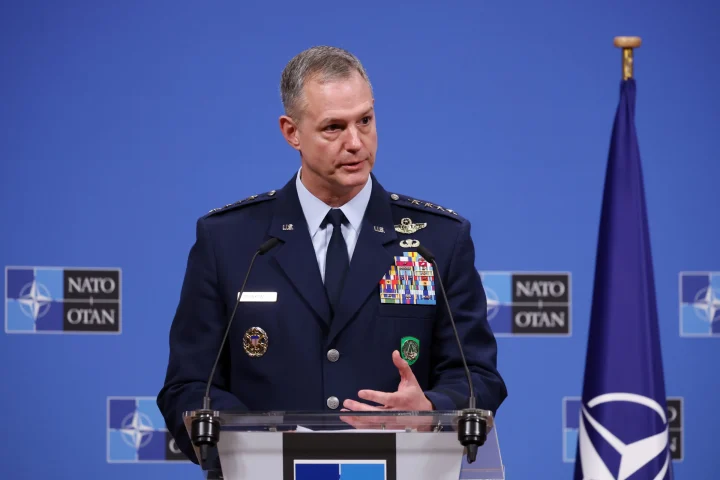
Any decision to release reserves would likely involve coordination with other major economies, particularly the United States, which holds the world’s largest strategic petroleum reserve. Coordinated releases tend to have a more significant impact on market sentiment and prices than unilateral actions. The International Energy Agency (IEA), of which many EU member states are a part, often plays a central role in orchestrating such collective responses. The IEA’s mandate includes ensuring global energy security, and its members collaboratively hold substantial emergency oil stocks.
The economic implications of sustained high energy prices are considerable. They can fuel inflation, erode consumer purchasing power, and increase operational costs for industries, potentially slowing economic growth. For the European Union, a major energy importer, managing these costs is a critical component of maintaining economic stability. While a release of oil reserves offers a temporary respite, it does not address the underlying structural issues in the energy market. Nevertheless, the very mention of this option by a high-ranking EU official like Dombrovskis serves as a strong indicator of the seriousness with which European leaders are approaching the current energy landscape and its potential for disruption. The coming months will reveal whether this option moves from consideration to implementation, and what impact it might have on global energy dynamics.