Staff Report
The skies over eastern Turkey became the center of international concern this week as NATO defensive batteries successfully neutralized an Iranian missile. This incident represents a significant escalation in regional friction and highlights the increasingly volatile nature of the security environment surrounding the North Atlantic Treaty Organization’s eastern flank. Military officials confirmed that the projectile was tracked early in its flight path before being engaged by sophisticated interceptor systems currently stationed within Turkish borders.
Local reports indicate that the interception occurred at a high altitude, minimizing the risk of debris falling on populated areas. While the specific model of the missile has not been publicly identified, initial telemetry data suggests it was a medium-range ballistic variant. This is not an isolated event, as surveillance networks have been on high alert following a series of similar provocations that have tested the readiness of the alliance’s integrated air and missile defense systems.
Turkey, as a pivotal member of NATO, occupies a strategic geographical position that serves as a buffer between Western Europe and the ongoing instability in the Middle East. The presence of advanced radar installations and missile batteries, supported by allied personnel, remains a cornerstone of the region’s deterrence strategy. Following the interception, Ankara issued a formal statement emphasizing its right to self-defense and calling for an immediate cessation of activities that threaten its sovereign airspace.
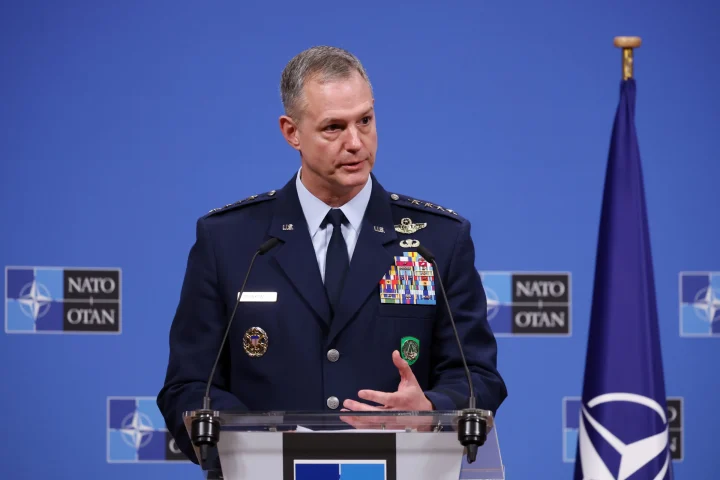
Diplomatic ripples from the event were felt immediately in Brussels and Washington. NATO leadership praised the efficiency of the response, citing it as proof of the alliance’s operational capabilities. However, behind the scenes, there is growing anxiety regarding the potential for a miscalculation that could lead to a broader kinetic conflict. Analysts suggest that the repeated launch of projectiles near or into Turkish territory may be an attempt to probe for weaknesses in the radar curtain or to gauge the political resolve of the member states.
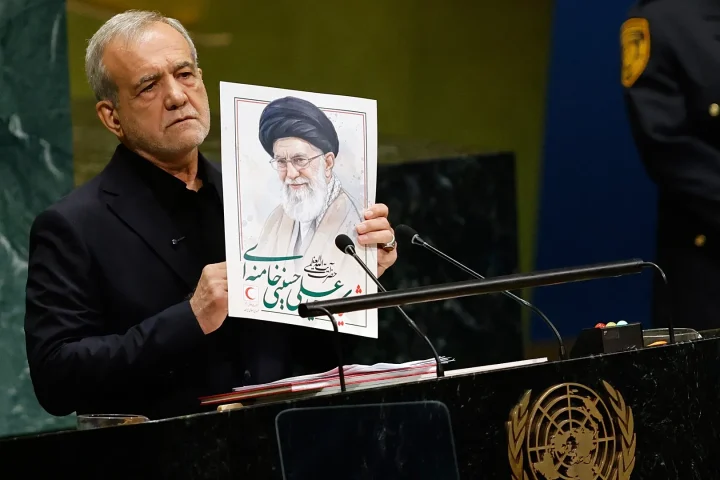
Tehran has yet to provide a detailed explanation for the trajectory of the missile, though state-aligned media outlets frequently frame such launches as part of routine military exercises. This narrative does little to ease the concerns of neighboring nations who view these actions as a direct violation of international norms. The international community is now looking toward the United Nations Security Council to see if further sanctions or formal censures will be applied in response to this breach of airspace.
For the residents of eastern Turkey, the sight of interceptors streaking across the sky has become an unsettling reminder of the geopolitical storm brewing at their doorstep. The humanitarian and economic implications of sustained military tension are significant, as cross-border trade and regional stability rely heavily on the perception of safety. The Turkish government has been forced to divert additional resources to border security, further complicating an already complex domestic fiscal situation.
As the dust settles from this latest encounter, the focus shifts to the long-term sustainability of the current defensive posture. While NATO systems proved effective in this instance, the cost and frequency of these interceptions are rising. Military planners are now evaluating whether a permanent increase in asset deployment is necessary to counter the evolving threat landscape. The incident serves as a stark reminder that in the modern era of warfare, the boundary between regional skirmishes and global confrontation is thinner than ever before.