Staff Report
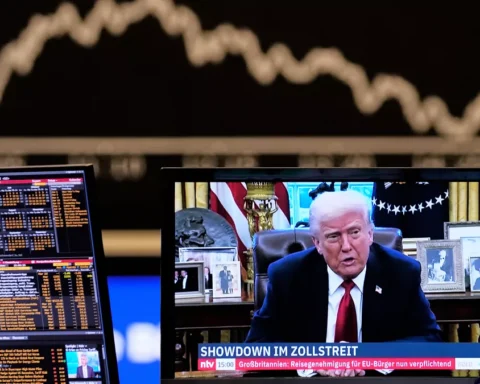
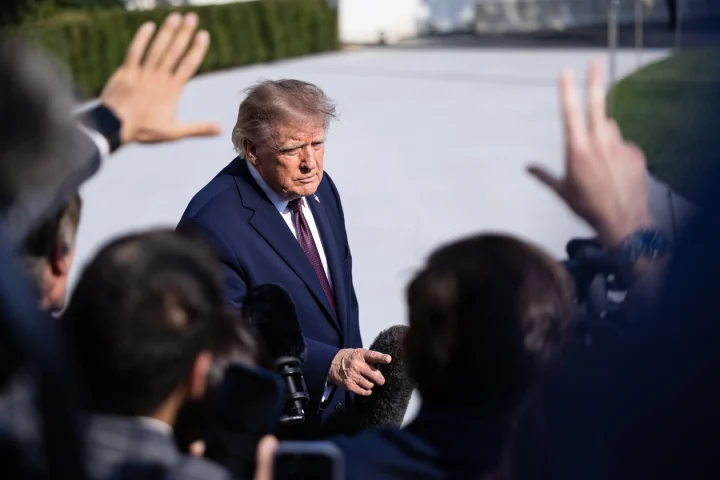
Global energy markets experienced a sudden shift in momentum this week as former President Donald Trump signaled a potential willingness to ease economic sanctions on major oil producing nations. The remarks, which were delivered during a series of high profile policy discussions, caught traders off guard and immediately applied downward pressure on crude benchmarks. For an industry that has spent months bracing for tighter supply constraints, the prospect of a more lenient American foreign policy represents a significant pivot in the geopolitical landscape.
Market analysts noted that West Texas Intermediate and Brent crude both retreated significantly following the comments. The volatility underscores how sensitive energy prices remain to political rhetoric, especially when that rhetoric involves the world’s most influential economies. By floating the idea of removing barriers to trade for sanctioned regimes, the former president has introduced a new variable into the supply and demand equation that many investment firms had not fully priced into their quarterly forecasts.
Energy experts suggest that the primary drivers behind this cooling of prices are expectations surrounding Iran and Russia. If the United States were to soften its stance on energy exports from these regions, the global market could see an influx of millions of additional barrels per day. This potential surge in supply would likely counteract the production cuts recently implemented by OPEC+ and its allies, who have been struggling to maintain a price floor amid flagging demand in Europe and Asia.
Domestically, the political implications of these statements are equally profound. Lowering energy costs has become a central theme of the current election cycle, as voters continue to express frustration with persistent inflation at the pump. By suggesting a path toward sanctions relief, the Trump campaign appears to be prioritizing immediate consumer relief and industrial competitiveness over the traditional hawkish stance on international trade restrictions. However, critics argue that such a move could undermine long term diplomatic leverage and destabilize the delicate balance of power in the Middle East.
Wall Street remains divided on whether these suggestions would actually manifest as policy in a potential second term. Some institutional investors view the comments as a tactical maneuver to influence current market sentiment, while others believe it signals a fundamental shift toward an America First energy strategy that values high volume and low cost above all else. Regardless of the eventual outcome, the immediate reaction in the futures market proves that the mere mention of sanctions relief is enough to rattle a sector that is already on edge.
As the week draws to a close, energy companies and hedge funds are closely monitoring follow up statements for any clarification on the scope of the proposed relief. If the narrative continues to lean toward a more open global market, we may see a prolonged period of bearish sentiment for crude oil. For now, the industry is left to weigh the benefits of lower operational costs against the risks of increased market volatility and the unpredictable nature of international diplomacy in an election year.