Staff Report
The global landscape of corporate travel is undergoing a significant transformation as major financial centers rethink their urban architecture. For decades, the professional world operated within a strict binary where business districts were strictly for work and cultural districts were for leisure. However, a new breed of cosmopolitan cities is dismantling these barriers by integrating high-end amenities directly into the fabric of the commercial infrastructure. This shift is not merely about adding a few luxury hotels to a city center but rather about creating a holistic environment where productivity and personal enrichment coexist seamlessly.
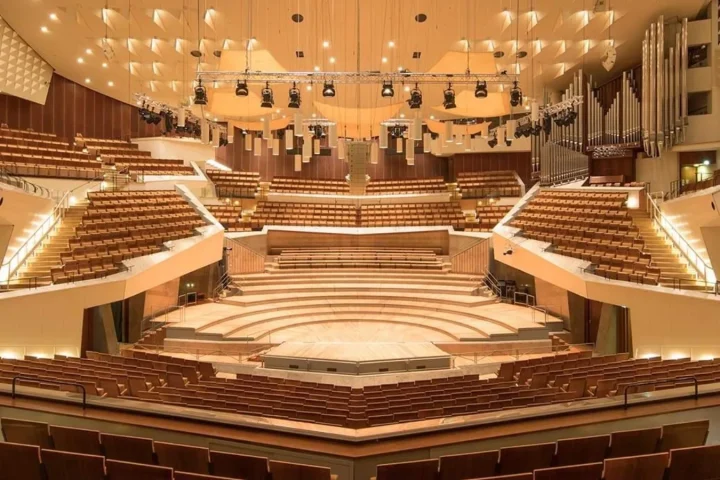
Investors and urban planners are increasingly focusing on the concept of the twenty-four-hour city. In these locations, the end of the traditional workday does not signal a mass exodus to the suburbs. Instead, it marks a transition into a vibrant evening economy defined by world-class dining, immersive art galleries, and wellness facilities that rival private clubs. This evolution is driven by a demographic shift in the workforce, as younger executives demand more than just a functional boardroom. They seek destinations that offer cultural currency and a sense of place, allowing them to maximize their time away from home by blending professional obligations with meaningful personal experiences.
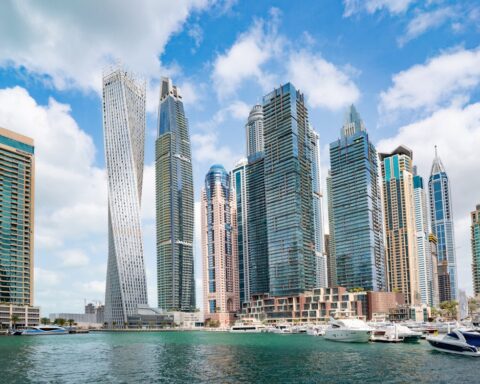
Singapore and Dubai have long been pioneers in this space, but European and North American cities are now following suit. London’s financial district has seen a surge in rooftop gardens and high-concept retail spaces that cater to a global elite who value efficiency and luxury in equal measure. Similarly, cities like Austin and Miami are attracting major corporate headquarters by marketing a lifestyle that promises more than just a tax-friendly environment. These cities offer a lifestyle that serves as a powerful recruitment tool, suggesting that where you work is just as important as the work you do.
Technological advancements have facilitated this transition by unshackling professionals from their desks. With the rise of high-speed connectivity and ubiquitous mobile workspaces, the distinction between a formal office and a sophisticated lounge has blurred. A high-stakes negotiation is as likely to happen over an artisanal coffee in a landscaped courtyard as it is in a glass-walled conference room. This flexibility allows business travelers to engage with their surroundings in a way that was previously impossible, turning a standard three-day trip into a curated journey that includes both market analysis and cultural exploration.
The economic implications of this trend are profound. Municipalities that successfully bridge the gap between business and leisure often see a higher return on investment from their hospitality sectors. When a city becomes a destination rather than just a transit point, visitors tend to stay longer and spend more. This revenue is often reinvested into public infrastructure, further enhancing the city’s appeal to both residents and international visitors. It creates a virtuous cycle of growth that stabilizes the local economy and fosters a more resilient urban environment.
Looking ahead, the future of the professional city lies in its ability to offer authenticity. The modern traveler is increasingly skeptical of cookie-cutter developments that feel disconnected from their geographical context. Success in the new era of business travel will be defined by how well a city preserves its unique heritage while providing the cutting-edge facilities required by the global market. As the lines between our professional and private lives continue to soften, the cities that can offer a seamless blend of both will emerge as the true champions of the modern economy.