Staff Report
The Czech Republic’s parliament has successfully navigated the complex legislative process to pass the 2026 national budget, yet the final document has ignited a fierce political firestorm regarding the nation’s international obligations. While the fiscal plan outlines significant spending for infrastructure and social programs, a glaring discrepancy in military funding has left security analysts and international partners questioning Prague’s dedication to its Western allies. The central point of contention lies in the projected defense spending figures, which appear to fall significantly below the two percent of gross domestic product threshold mandated for NATO member states.
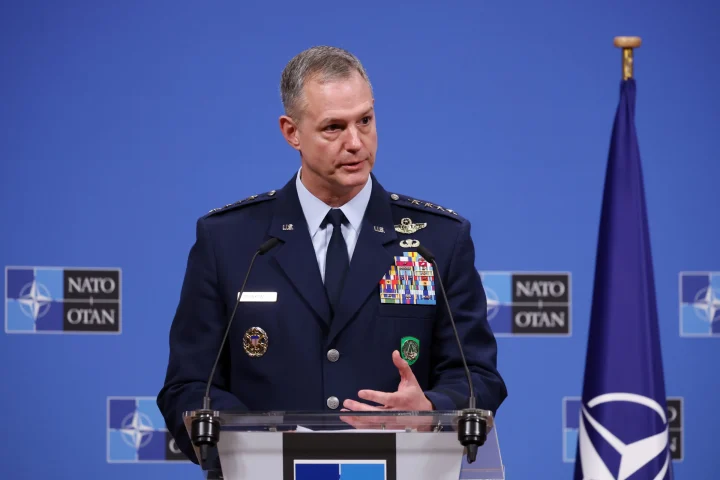
Finance Ministry officials defended the budget as a balanced approach to fiscal responsibility, arguing that the government must juggle domestic economic recovery with global security needs. However, the opposition and several high-ranking military officials have expressed deep concern that this shortfall sends a message of weakness to an increasingly volatile European landscape. The decision to prioritize domestic subsidies over military modernization comes at a time when the North Atlantic Treaty Organization is placing unprecedented pressure on its members to bolster their collective defense capabilities in response to regional threats.
Prime Minister Petr Fiala’s administration has long positioned itself as a staunch supporter of the alliance, but the 2026 budget reflects the harsh reality of localized economic constraints. Inflationary pressures and a slowing manufacturing sector have forced the government to make difficult choices, leading to the deferment of several key procurement projects originally slated for the next fiscal year. These delays affect everything from tactical communications equipment to the maintenance of heavy armored vehicles, directly impacting the operational readiness of the Czech Armed Forces.
Critics argue that failing to meet the NATO pledge undermines the country’s credibility on the global stage. Since joining the alliance, the Czech Republic has benefited from the collective security umbrella, and there is a growing sentiment among critics that the nation is now failing to pay its fair share. This budgetary gap is not merely a matter of accounting; it represents a potential fracture in the unified front that NATO seeks to maintain against external aggression. Diplomatic sources suggest that the shortfall has already prompted quiet inquiries from allied capitals seeking clarification on Prague’s long-term strategic intentions.
Supporters of the budget point out that the government has increased defense spending in absolute terms compared to previous decades, even if it does not meet the specific percentage target. They argue that the focus should be on the quality of spending and the efficiency of military integration rather than an arbitrary fiscal marker. Furthermore, the administration has emphasized that future adjustments could be made if economic conditions improve, leaving the door open for supplementary funding later in the year. This flexibility, however, offers little comfort to military planners who require multi-year certainty to execute complex procurement contracts.
As the Czech Republic prepares for the 2026 fiscal year, the internal debate over these defense outlays is likely to intensify. The government finds itself in a precarious position, attempting to satisfy a domestic electorate wary of austerity measures while simultaneously reassuring international partners of its reliability. The outcome of this budgetary struggle will likely define the country’s foreign policy trajectory for years to come, determining whether it remains a proactive participant in European security or retreats into a more cautious, inward-looking stance. For now, the passed budget stands as a testament to the difficult trade-offs inherent in modern governance, where the demands of the present often clash with the strategic necessities of the future.