Staff Report
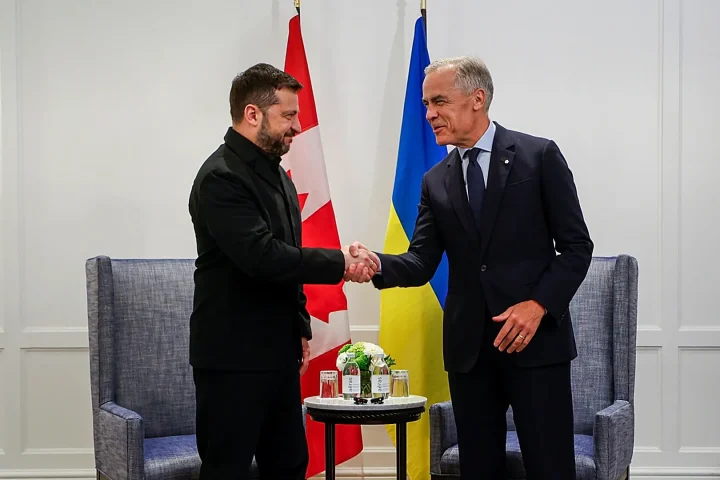
Ukrainian President Volodymyr Zelenskyy has indicated that the groundwork for future diplomatic negotiations rests heavily on the diplomatic posture of both Washington and Moscow. As the conflict enters a critical phase of attrition, the Ukrainian leadership is increasingly looking toward the international community to define the parameters of a sustainable resolution. Speaking from the capital, Zelenskyy emphasized that while Ukraine remains steadfast in its territorial integrity, the timing and efficacy of the next round of peace talks are contingent upon external geopolitical shifts.
The role of the United States remains the most significant variable in this complex equation. With a shifting political landscape in Washington, Kyiv is closely monitoring how future military aid packages and diplomatic support might influence their leverage at the negotiating table. Ukrainian officials have long maintained that a position of strength is the only viable starting point for discussions, a stance that requires consistent backing from its most powerful Western ally. The uncertainty surrounding long-term American commitments has added a layer of urgency to Zelenskyy’s latest pronouncements.
On the other side of the divide, the signal from the Kremlin remains opaque. Moscow has frequently dismissed previous peace proposals as non-starters, citing their own security demands and territorial claims. However, Zelenskyy’s recent comments suggest that back-channel communications or international pressure might eventually force a change in the Russian stance. The Ukrainian president pointed out that for any dialogue to be meaningful, there must be a genuine willingness from the Russian leadership to engage with the reality of the situation on the ground rather than relying on ultimatums.
European allies are also watching these developments with bated breath. While countries like Poland and the Baltic states advocate for a total military victory, other Western European powers have hinted at the necessity of an eventual negotiated settlement. Zelenskyy is currently navigating these differing expectations while trying to maintain a unified front. By placing the onus on the United States and Russia, he is effectively highlighting that the conflict has transcended a regional dispute and transitioned into a global security crisis that requires the intervention of the world’s primary nuclear powers.
Internal pressure within Ukraine is another factor influencing this move toward the diplomatic track. Years of relentless warfare have taken a toll on the nation’s infrastructure and its population. While the will to resist remains high, there is a pragmatic acknowledgment among the political elite that a frozen conflict or a prolonged war of exhaustion may not serve the country’s long-term interests. Zelenskyy’s pivot toward discussing peace talks more openly reflects a desire to provide his citizens with a roadmap toward stability, even if the path remains fraught with obstacles.
International observers suggest that the next few months will be decisive. As seasonal weather changes impact frontline operations, the focus is expected to shift more heavily into the halls of diplomacy. The upcoming diplomatic calendar provides several opportunities for world leaders to discuss the Ukrainian peace formula, yet without the explicit buy-in from both the White House and the Kremlin, these summits risk becoming symbolic rather than transformative. Zelenskyy’s message is clear: Ukraine is prepared to talk, but the world’s major powers must first decide the level of importance they place on a definitive conclusion to the hostilities.
Ultimately, the prospect of a lasting peace remains elusive. The gap between Kyiv’s demands for sovereignty and Moscow’s territorial ambitions is vast. However, by signaling a readiness to engage under the right conditions, Zelenskyy is positioning Ukraine as a proactive participant in the search for stability. The global community now waits to see if the necessary geopolitical alignment will occur to turn these signals into a concrete peace process.