Staff Report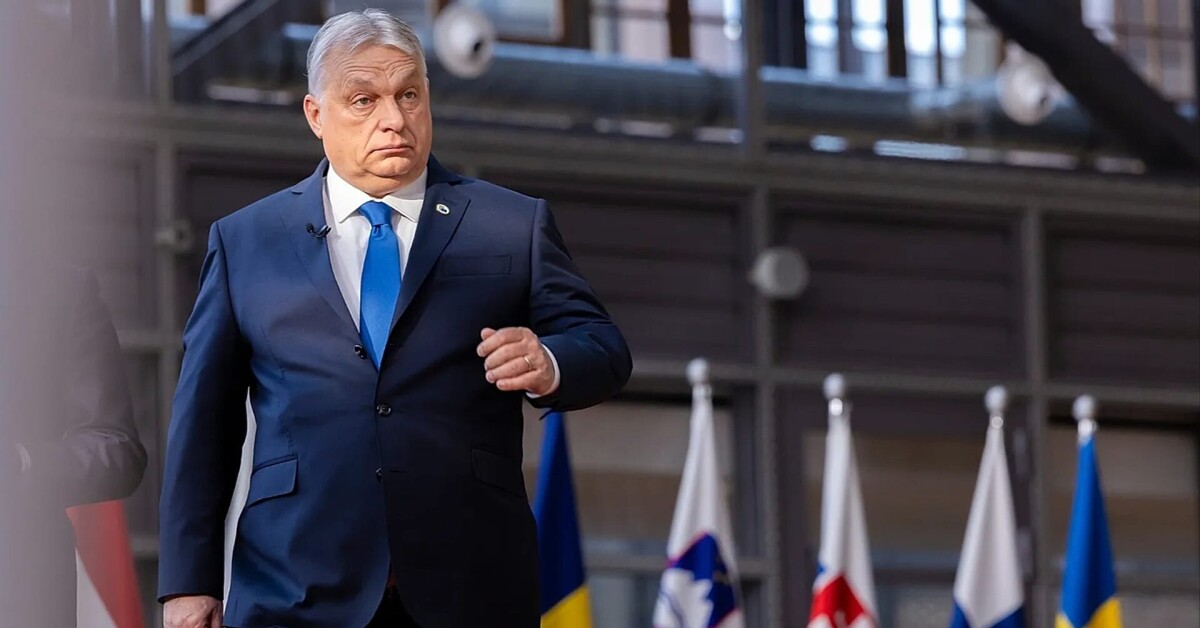
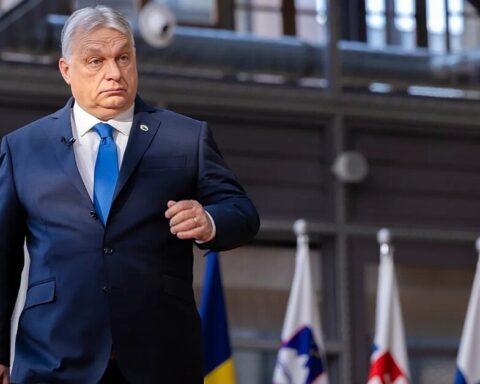
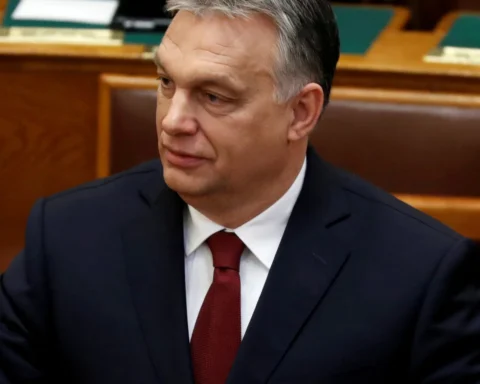
Hungarian Prime Minister Viktor Orbán has indicated his government possesses additional leverage against Ukraine, beyond his recent block of a €90 billion loan to Kyiv. The pronouncement came in Brussels, following stalled Russian oil deliveries to Hungary and Slovakia since January. Orbán explicitly mentioned having “a lot of cards in our hands,” suggesting that the financial aid, crucial for Ukraine’s military and economic stability, is not the only point of pressure.
The dispute centers on oil shipments through the Druzhba pipeline, which Ukraine claims was damaged by a Russian drone strike. Hungary and Slovakia remain the sole EU member states importing Russian oil, a detail that underscores their unique vulnerability to disruptions in this supply chain. Orbán, however, has advanced a different narrative, alleging that Ukraine deliberately sabotaged the pipeline to engineer an energy crisis ahead of a critical election on April 12. He has consequently vowed to obstruct all EU initiatives designed to assist Kyiv until these oil shipments are reinstated. This stance has created a significant rift within the European Union, pitting Hungary against its partners at a time when unified support for Ukraine is paramount.
One of the more striking threats Orbán articulated was the potential impact on Ukraine’s electricity supply. He noted that “40% of Ukraine’s electricity supply goes through Hungary,” a resource he stated his government has “haven’t touched that yet.” This specific detail highlights a critical dependency and a potential avenue for escalation that could have severe humanitarian consequences. Furthermore, Orbán reiterated Hungary’s unwavering opposition to new sanctions against Russia, emphasizing that such measures require unanimous consent, which Hungary would withhold. This position effectively grants Hungary veto power over future EU punitive actions against Moscow.
In an attempt to resolve the impasse over the loan, EU officials reportedly offered Ukraine technical assistance and funding to repair the damaged pipeline, an offer Kyiv has accepted. Despite this, Orbán’s rhetoric remained unyielding. He further threatened to veto the EU’s forthcoming seven-year budget if it includes financial aid for Ukraine, issuing a direct challenge: “We have a lot of cards in our hands, so I don’t think it’s worth picking a fight with Hungary.” This defiant posture has drawn sharp condemnation from other EU leaders.
The frustration within the EU leadership boiled over, particularly from António Costa, the typically reserved President of the European Council. Costa, whose authority is directly challenged by Hungary’s actions, openly criticized Orbán, reminding him that “a deal is a deal and all the leaders need to honour that word.” He firmly stated that “Nobody can blackmail the European Council. Nobody can blackmail the European Union institutions,” insisting that the loan would ultimately be disbursed as agreed in December. A diplomat close to the discussions also noted Costa’s observation that Hungary’s conditions, such as guaranteeing transit safety amidst ongoing Russian attacks, were “impossible” and did not represent “acting in good faith.”
Ukrainian President Volodymyr Zelenskyy has dismissed Orbán’s accusations regarding the pipeline damage as unfounded. Orbán’s increasingly anti-Ukraine campaign, which portrays Zelenskyy as an “existential threat” to Hungary, appears to be a calculated strategy ahead of the April 12 election, anticipated to be the tightest of his career. Orbán has gone so far as to suggest that Zelenskyy, alongside European Commission President Ursula von der Leyen, seeks to draw Hungary into the war, positioning his re-election as the sole guarantor of peace and security for his nation. This narrative underscores the domestic political dimensions influencing Hungary’s foreign policy decisions and its relationship with the broader European Union.