Staff Report
The political future of Slovenia hangs in a delicate balance as preliminary results from the latest parliamentary elections indicate a race far tighter than many pollsters had anticipated. With the majority of ballots accounted for, the nation finds itself at a crossroads, navigating a fragmented legislative map that will require complex negotiations to form a functioning government. The neck-and-neck results suggest that voters are deeply divided over the country’s economic direction and its role within the broader European Union framework.
Throughout the campaign season, domestic issues such as healthcare reform and the rising cost of living dominated the public discourse. However, the narrow gap between the leading centrist coalition and its conservative rivals has shifted the conversation toward the art of the political deal. Neither side has secured a clear mandate to lead alone, meaning the coming weeks will likely be defined by intense horse-trading behind closed doors. For a nation that has prided itself on stability, this period of uncertainty represents a significant test for its democratic institutions.
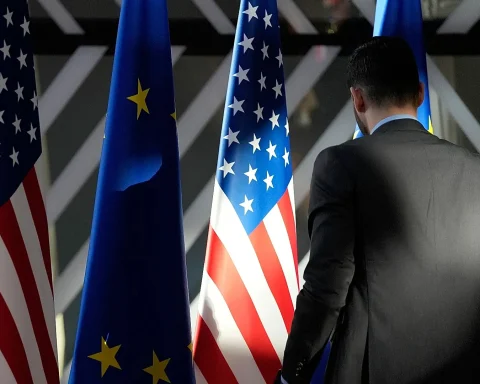
International observers are watching the developments in Ljubljana with keen interest. As a pivotal member of the Eurozone and the Schengen Area, Slovenia’s internal stability has direct implications for regional policy, particularly regarding migration and energy security. A protracted period of government formation could delay critical legislative decisions, potentially stalling infrastructure projects that are vital for the country’s post-pandemic recovery. The narrow margins have effectively empowered smaller, fringe parties who may now act as kingmakers in the coalition-building process.
Economic analysts point out that the tight race reflects a broader trend of political polarization seen across the continent. While the incumbent administration touted its record on unemployment and GDP growth, the opposition successfully tapped into anxieties regarding inflation and institutional transparency. This duality in the electorate’s priorities has created a parliamentary split that mirrors the social divisions currently felt in the streets. If a coalition cannot be reached within the constitutional deadline, the specter of a snap election could further complicate the national agenda.
Public sentiment remains cautiously optimistic, though there is a palpable sense of exhaustion with the prolonged political friction. Voters turned out in significant numbers, underscoring a high level of civic engagement despite the lack of a definitive outcome. The focus now shifts to the leadership of the primary parties as they attempt to bridge ideological gaps. The ability of these leaders to compromise will determine whether Slovenia moves forward with a unified strategy or enters a period of legislative gridlock that could hamper its regional influence.
As the final official tallies are verified, the immediate priority for all stakeholders is the maintenance of public trust. Transparency in the counting process and clear communication from the electoral commission will be essential to prevent the spread of misinformation. In a landscape where every seat counts, the final distribution of mandates among the smaller parties will dictate the leverage available to the frontrunners. For now, Slovenia remains in a state of watchful waiting, as the blueprints for the next administration are drawn up in the shadow of a remarkably close contest.