 Staff Report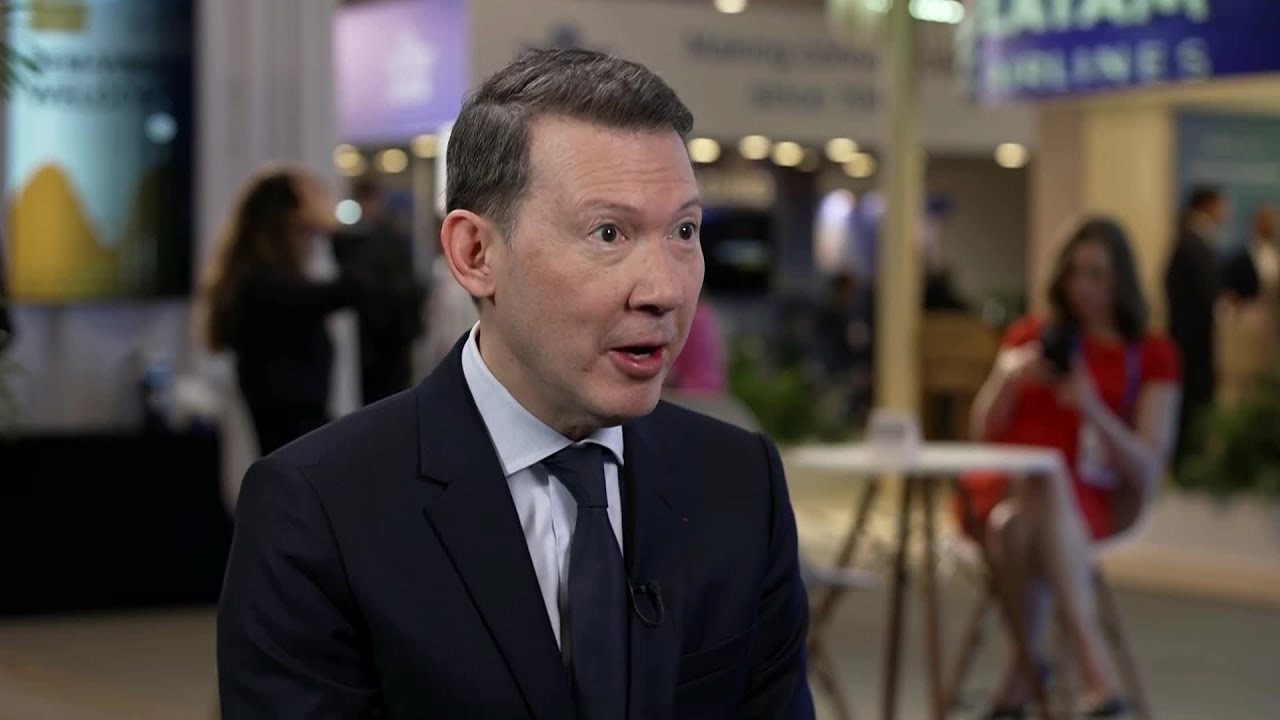
The rising cost of jet fuel continues to reshape operational strategies for global airlines, a challenge Air France-KLM CEO Benjamin Smith recently addressed, outlining the company’s approach to mitigating these pressures while navigating the competitive landscape of Gulf region flights. Airlines globally have been grappling with unprecedented volatility in energy markets, directly impacting their bottom lines and forcing a re-evaluation of routes and fleet utilization. This sustained period of elevated fuel costs is not merely an inconvenience; it represents a fundamental shift in the economics of air travel, compelling carriers to innovate in efficiency and pricing.
Smith detailed how fuel, often the single largest operating expense for an airline, necessitates a multi-pronged response. This includes optimizing flight paths for minimal fuel burn, investing in more fuel-efficient aircraft, and hedging strategies to lock in future fuel prices, though the latter offers only partial insulation against extreme market swings. The airline group has been actively modernizing its fleet, introducing newer generation aircraft that promise significant improvements in fuel efficiency compared to their predecessors. Such investments, while substantial upfront, are increasingly seen as critical for long-term financial stability in an industry perpetually exposed to external shocks.
Beyond internal efficiencies, the conversation naturally steered towards the competitive dynamics of the Gulf. This region has become a pivotal battleground for international air travel, with major carriers from the Gulf states investing heavily in capacity and service. Air France-KLM, like many European legacy carriers, faces intense competition on routes connecting Europe with Asia and beyond, often transiting through Gulf hubs. Smith acknowledged the strategic importance of these routes, not just for passenger traffic but also for lucrative cargo operations. He emphasized the need for a differentiated approach, leveraging the group’s extensive network and premium service offerings to retain market share.
The CEO’s remarks also touched upon the delicate balance between maintaining competitive fares and passing on increased operational costs to consumers. Airlines operate in a highly price-sensitive market, where even marginal fare increases can sway passenger choices. This makes the fuel price dilemma particularly acute; absorbing too much of the cost eats into profitability, while passing on too much risks alienating customers. Air France-KLM’s strategy involves a careful calibration, often utilizing dynamic pricing models that adjust based on demand, route popularity, and prevailing fuel surcharges, though these surcharges are not always explicitly itemized for the consumer.
Looking ahead, the airline group remains committed to strengthening its presence in key international markets, including those influenced by Gulf region connectivity. This involves strategic partnerships, code-sharing agreements, and a continuous assessment of route profitability. The objective is not merely to survive the current economic headwinds but to emerge stronger, with a more resilient operating model. The ongoing fleet renewal program, coupled with a focus on digital transformation and enhanced customer experience, forms the bedrock of their long-term vision, even as the immediate challenges of fuel prices and fierce competition persist.