Staff Report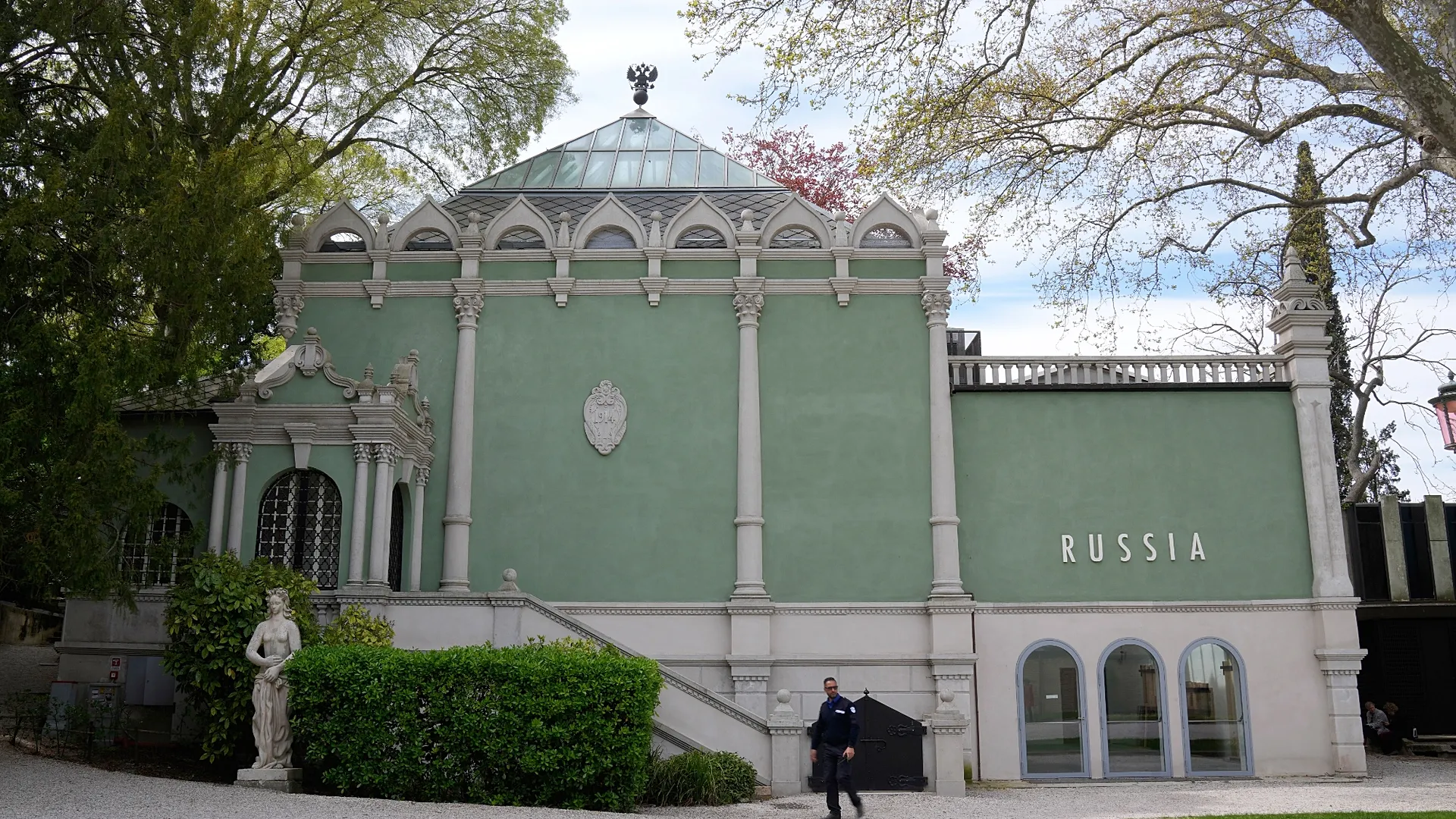
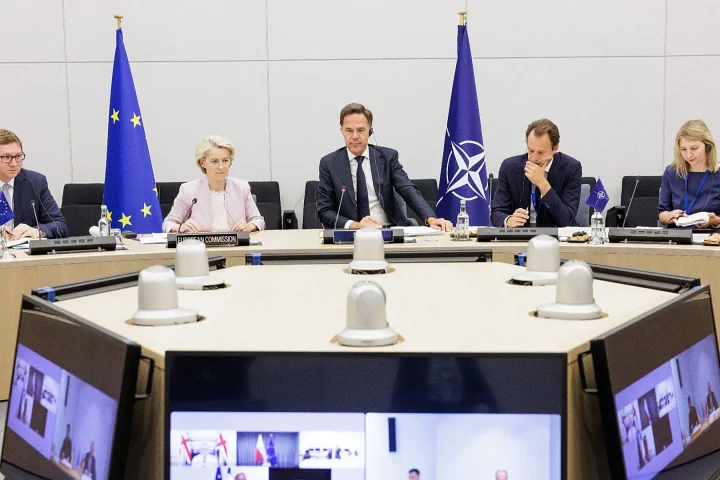
The European Commission has confirmed its decision to withdraw a €2 million grant previously allocated to the Venice Biennale for the 2025-2028 period. This action follows an extended review stemming from the Biennale Foundation’s choice to reopen the Russian pavilion for the current exhibition. The funds, intended to support cultural initiatives, will now be withheld, marking a significant financial consequence for the prestigious event.
This development arrived after a period of intense scrutiny by European Union officials. The Commission’s process began in April, shortly after Pietrangelo Buttafuoco, president of the Biennale Foundation, announced that Russia’s pavilion would participate in the 2024 edition. This move stood in contrast to the 2022 and 2024 editions, when the space remained closed due to the ongoing conflict in Ukraine and subsequent European sanctions against Moscow. The initial notification from the Commission gave the Biennale thirty days to either reverse its decision or provide a compelling justification to prevent the grant’s revocation.
Further clarifications were subsequently requested by the European Union regarding the specifics of Russia’s involvement. Despite these inquiries, the Foundation proceeded with the reopening. While the pavilion did operate, its activities were notably constrained, as it reportedly failed to secure the necessary permits for public events. This limited operation did little to assuage concerns in Brussels, ultimately leading to the final withdrawal of the grant.
European Commissioner for Democracy, Henna Virkkunen, articulated the Commission’s position on social media, emphasizing that taxpayer-funded culture in Europe “should promote and safeguard democratic values and that such values are not respected in Russia today.” This statement underscores the principle guiding the Commission’s decision, framing the issue not merely as a procedural matter but as a stand on fundamental European values. The withdrawal was enacted as a recommendation to the European Education and Culture Executive Agency, the body with the ultimate authority over such funding, which had already indicated its support for cutting the grant.
The handling of the situation has not been without its critics. Internationally, figures like Russian gallerist Marat Gelman have openly accused Italy of being a weak link in the collective European response to Russian aggression. Domestically, the League party, a member of Deputy Prime Minister Matteo Salvini’s governing coalition, expressed strong disapproval of the Commission’s move. They stated that “Culture does not bow to Brussels diktats,” and announced intentions to request that Giorgia Meloni’s government compensate the Biennale for the withdrawn funds. This internal political friction highlights the complex interplay between cultural autonomy, national policy, and international relations stirred by the Commission’s decision.