Staff Report
The Spanish government has formally approved an emergency aid package totaling €165 million for Ceuta, a measure enacted roughly a month after a significant influx of migrants into the autonomous city. This allocation is intended to address the immediate economic and social disruptions experienced in the wake of those events, signaling a concentrated effort to stabilize the city’s infrastructure and public services. The funding arrives as Ceuta grapples with the lingering effects of the migration crisis, which has reshaped the local economy and placed considerable strain on community resources.
First Deputy Prime Minister and Economy Minister Carlos Cuerpo had previously indicated the government’s intent to provide this support. The newly approved sum is distinct from a larger, medium-term recovery plan valued at €180 million, which remains under negotiation with local business organizations, trade unions, and various sector representatives. The immediate package focuses on critical, short-term interventions designed to inject vitality back into Ceuta’s commercial and social fabric.
A significant portion of the emergency funds, €80 million, is slated for direct economic support over the next four months, with an additional €70 million earmarked for 2027. This distribution suggests a two-pronged approach: immediate relief combined with a longer-term commitment to the city’s economic health. Within the direct economic aid for the next year and a half, €35 million will specifically target small and medium-sized enterprises (SMEs) and self-employed individuals, recognizing their foundational role in the local economy. Furthermore, €15 million is designated to bolster the trade and tourism sectors, both of which suffered considerable setbacks in August due to the crisis.
Beyond economic revitalization, the Council of Ministers also committed €15 million to reinforce key public services. Education, healthcare, and the justice system in Ceuta are slated to receive these funds, responding directly to public demands that have gained prominence in recent weeks. The strain on these sectors became acutely apparent as the city navigated the challenges posed by the sudden increase in population.
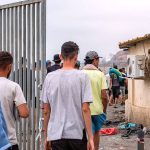
The migration situation continues to cast a long shadow over Ceuta’s recovery efforts. While around 72,000 individuals entered irregularly during the events of July 30 and 31, approximately 5,000 are estimated to remain in the city. Authorities are actively working to establish new reception facilities and streamline return procedures, a complex undertaking that requires careful coordination. Ángel Víctor Torres, the Minister for Territorial Policy and Democratic Memory and head of the government’s crisis command, has affirmed the intention to return all individuals who entered irregularly to Morocco, consistent with existing legal frameworks. He noted that a substantial number of these migrants still reside “on the streets” of Ceuta, underscoring the ongoing humanitarian and logistical challenges.
This financial intervention underscores the Spanish government’s recognition of Ceuta’s unique position and the profound impact of the recent migration events. The dual approach of immediate emergency aid and a separate, more structural recovery plan highlights a comprehensive strategy aimed at both short-term stabilization and long-term resilience for the autonomous city. The unfolding situation will continue to test the efficacy of these measures, particularly as the city works to integrate the remaining migrants or facilitate their return.